Why Does Laser Welding Cause Porosity 5 Tips to Prevent It?

Time:2026-06-10 Author:Liam
0%

Laser welding is renowned for its precision and efficiency. However, a common issue arises: porosity. This phenomenon can compromise the integrity of welded joints. It leads to defects that can weaken the structure and affect performance. Understanding why does laser welding cause porosity is crucial for optimizing the welding process.

Porosity occurs when gas pockets become trapped in the molten metal. This can result from various factors like contamination or incorrect parameters. Knowledgeable welders should be aware of the conditions that lead to porosity. This understanding can help them adopt more effective strategies to minimize risks.

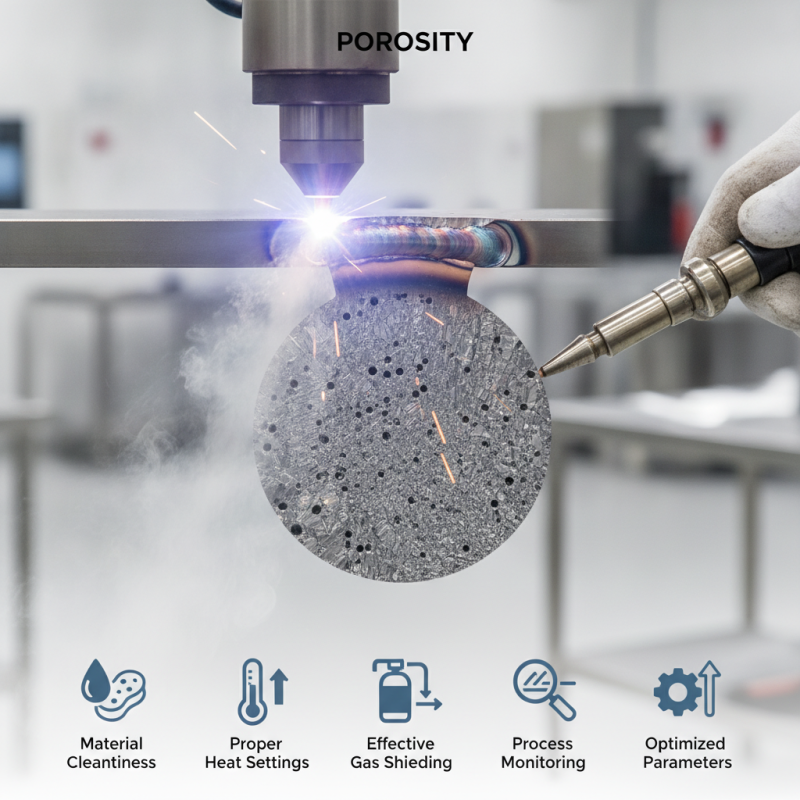
Avoiding porosity is not just about correcting mistakes. It's about enhancing the entire welding process. By exploring appropriate techniques and best practices, welders can significantly improve outcomes. Factors like material cleanliness and proper heat settings matter greatly. Effective prevention requires a deep dive into methods and potential pitfalls. With the right approach, quality and reliability can be achieved.
Why Does Laser Welding Cause Porosity 5 Tips to Prevent It?

Understanding the Causes of Porosity in Laser Welding Processes

Porosity in laser welding is a significant concern. Understanding its causes can help prevent defects in welded materials. Commonly, trapped gases form bubbles within the weld. These can arise from moisture, contaminants, or improper parameters. When laser energy generates heat, these gases may not escape quickly enough. This results in voids that weaken the structure.

Environmental factors play a critical role in porosity. Humidity can introduce moisture into the workpiece. Contaminated surfaces can also lead to issues. Improper shielding gas may fail to protect the weld pool, allowing air exposure. Additionally, incorrect laser power settings can alter melting and solidifying behaviors. Each of these elements can contribute to the presence of pores.

Improving inspection practices is essential for quality control. Regular testing can identify problematic areas early. Adjustments in technique, such as refining travel speed or focal length, can also enhance outcomes. It’s vital to reflect on common practices and continuously seek improvements. Ultimately, a precise and clean welding environment is key to reducing porosity.

Why Does Laser Welding Cause Porosity? 5 Tips to Prevent It

Causes of Porosity Impact on Welding Quality Preventive Tips
Contaminants in the Weld Pool Can lead to weak welds and reduced integrity Ensure surfaces are clean and free from oils, dust, or rust
Incorrect Gas Flow Inadequate shielding can cause oxidation Adjust gas flow rate according to material and thickness
Improper Laser Parameters May result in inconsistent penetration and fusion Optimize laser power, speed, and focal point settings
Material Properties Certain alloys are more prone to porosity Choose compatible materials for welding
Cooling Rate Fast cooling can trap gas in the weld Control cooling and preheat materials if necessary

Impact of Key Factors on Porosity Formation: Material, Power, and Speed

Laser welding is a precise technique. However, it often encounters issues like porosity. Understanding key factors is essential to mitigate this problem. Material selection is crucial. Different alloys react differently under high temperatures. If the material isn’t appropriate, gas pockets can form, leading to porosity.

Welding power settings also play a significant role. Too much power can cause excessive melting, trapping gases inside the weld pool. Conversely, insufficient power may not adequately fuse materials, increasing the porosity risk. Speed is another critical element. Moving too quickly can prevent proper fusion. But moving too slowly can create excessive heat, trapping gas. Finding the right balance is challenging yet necessary.

It’s essential to consider the environment too. Contaminants in the air or on the material surface can contribute to porosity formation. Experts often recommend pre-cleaning surfaces thoroughly. Adjusting settings based on real-time observations is vital. This approach may not eliminate all issues, but it can significantly reduce them. Practicing and refining techniques leads to better results over time.

Statistical Insights: Frequency of Porosity in Different Welding Applications

Porosity in laser welding is a common issue that affects the quality of the weld. Statistical insights reveal that this problem varies across different applications. In aviation and automotive industries, the frequency of porosity can reach up to 20%. In contrast, industries like electronics report lower rates, around 5%. Understanding these statistics helps professionals tailor their welding processes.

Welders should be aware of specific factors contributing to porosity. For instance, contaminants can easily lead to gas entrapment during the welding process. Proper preparation of the materials is crucial. A clean surface can significantly reduce the risk of forming pores. Furthermore, the choice of shielding gas plays a vital role. Inadequate gas coverage may allow environmental gases to mix with the weld pool.

Despite advancements in technology, challenges remain in preventing porosity. Every welder has encountered unexpected issues at some point. Reflecting on past projects can help identify patterns and potential pitfalls. Adapting techniques based on previous experiences leads to better outcomes. Continuous education and training are essential for maintaining high standards in welding practices.

Five Effective Techniques to Minimize Porosity in Laser Welding

Porosity in laser welding is a common issue that can compromise the integrity of welded joints. Recent studies highlight that up to 20% of welds can suffer from porosity under certain conditions. To combat this, specific techniques can effectively minimize occurrences.

One vital technique is optimizing the laser parameters. Adjusting the power, speed, and focus can enhance penetration and reduce trapped gases. Research indicates that a 10% increase in laser power can significantly decrease porosity. Another approach is proper material preparation. Contaminants like oil or rust can contribute to gas entrapment. A clean surface allows better fusion and less porosity.

Control of the shielding gas is equally important. The use of argon, for instance, can protect the molten pool from atmospheric contamination. It’s crucial to ensure consistent shielding, as fluctuations can introduce defects. Additionally, employing filler materials can help absorb gases that may otherwise cause porosity. However, this method requires careful selection to match base materials for optimal results. Each of these techniques offers a path to improving weld quality, but they must be continuously assessed for effectiveness.

Best Practices: Pre-Welding Preparation and Post-Welding Inspection

Pre-welding preparation is crucial in preventing porosity in laser welding. A clean work surface minimizes contamination. Studies show that surface contamination contributes to defects, affecting up to 30% of welds. Oil, dust, or any residue can cause gas entrapment. Ensuring that materials are free of contaminants can significantly reduce defects.

Post-welding inspection should not be overlooked. Visual inspection identifies surface anomalies. However, non-destructive testing methods reveal hidden defects. A report from the American Welding Society suggests that around 20% of defects are only visible through advanced testing. Regular inspections increase the reliability of the finished product. Documenting findings allows for ongoing improvements.

Reflecting on these practices highlights the importance of adherence to established protocols. Many welders underestimate the impact of thorough preparation. Consistency in preparation and inspection can elevate weld quality significantly. Adopting a disciplined approach can curtail the risks of porosity, enhancing overall productivity.

Laser Welding Porosity Causes and Prevention Strategies

FAQS

: What is porosity in laser welding?

: Porosity refers to gas entrapment that creates voids in welds, compromising integrity.

How common is porosity in different welding applications?

Frequency of porosity varies. Aviation and automotive industries report up to 20%, while electronics see around 5%.

What factors contribute to porosity in welding?

Contaminants and inadequate material preparation are key factors. Clean surfaces are essential for minimizing gas entrapment.

How can welders minimize porosity?

Techniques include optimizing laser parameters, ensuring proper material preparation, and controlling shielding gas effectively.

Why is post-welding inspection important?

Inspecting welds can reveal surface and hidden defects. Regular checks improve reliability and product quality.

What role does shielding gas play in welding?

Shielding gas protects the molten pool from contamination. Consistent coverage is vital to prevent defects.

Are there best practices for pre-welding preparation?

Yes, a clean work surface and removing contaminants like oil can significantly reduce defects in welds.

How often should welders reflect on their past projects?

Regular reflection helps identify patterns and avoid recurring issues. Continuous learning fosters improvement in techniques.

Conclusion

Laser welding can sometimes lead to porosity, which poses challenges for achieving strong and reliable welds. Understanding **why does laser welding cause porosity** involves examining various factors such as the type of material used, the power settings, and the welding speed. Each of these elements can significantly influence the formation of voids within the weld, necessitating a careful balance to minimize defects.

To address porosity effectively, it's crucial to implement five key techniques aimed at reducing its occurrence. These include optimizing welding parameters, utilizing appropriate filler materials, and ensuring thorough pre-welding preparation and post-welding inspections. By following these best practices, welders can improve the quality of their work and enhance the integrity of the welded joints, thereby decreasing the likelihood of porosity in their projects.

Liam

Liam

Liam is a dedicated marketing professional with a profound expertise in the industry, where he excels at highlighting the unique advantages of our core products. With a keen understanding of market trends and consumer needs, Liam frequently updates our company’s professional blog, providing......