Top Materials You Cannot Cut with Fiber Lasers Tips to Know

Time:2026-06-30 Author:Mason
0%

Fiber lasers have revolutionized the cutting industry, gaining popularity for their precision and efficiency. However, it's vital to understand the limitations. Many professionals wonder, "what materials cannot be cut with a fiber laser?" According to a report by the Laser Institute of America, fiber lasers excel in cutting metals like stainless steel and aluminum. Yet, they fall short when it comes to certain materials, such as non-metal composites and highly reflective metals.

Reflective metals like brass and copper pose significant challenges. The laser energy reflects off these surfaces, reducing cutting efficiency. Additionally, materials like glass and ceramics, while sometimes cut with specialized lasers, cannot be handled effectively by fiber lasers. This knowledge is crucial for manufacturers seeking optimal results in their projects.

Not every material will yield satisfactory outcomes with a fiber laser. Industry reports indicate that understanding these limitations can save time and resources. With advancements in laser technology, it’s tempting to push boundaries. However, careful selection of materials remains essential for achieving high-quality cuts and maintaining productivity.
Top Materials You Cannot Cut with Fiber Lasers Tips to Know

Understanding Fiber Laser Cutting Technology

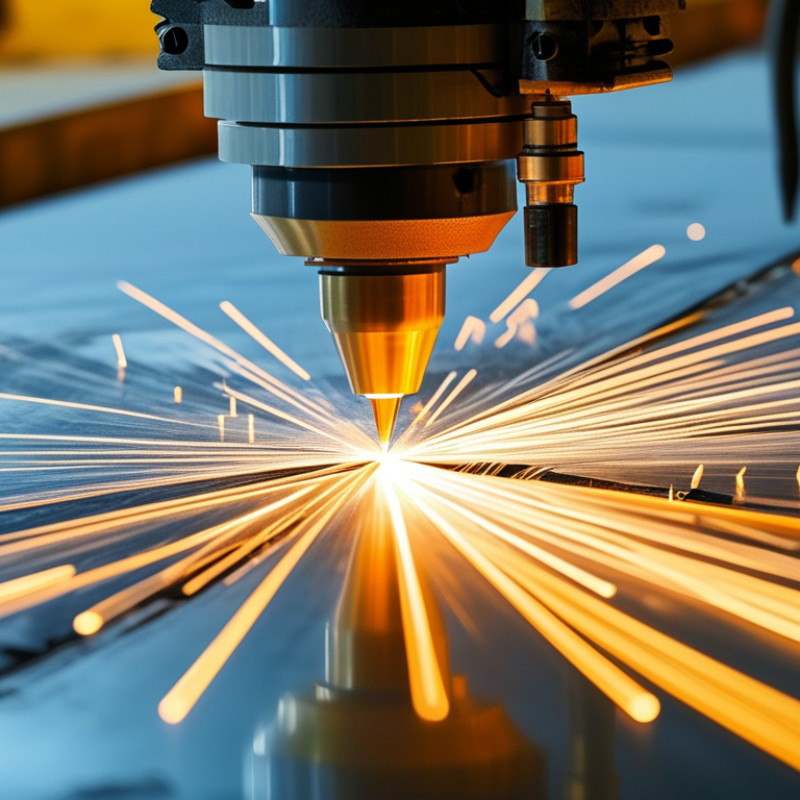
Fiber laser cutting technology has transformed industrial manufacturing. It provides high accuracy and efficiency. This technology uses a concentrated beam of light to melt or vaporize materials. Reports indicate that fiber lasers have a cutting speed up to 30% faster than traditional methods. This speed is particularly beneficial for high-volume production.

However, not all materials are suitable for fiber laser cutting. For instance, metals like Copper and Brass pose challenges due to their heat conductivity. They require different techniques, which can increase processing time and costs. Understanding the limitations of fiber lasers is crucial for optimizing operations.

Here are some tips to consider:

  • Always verify material compatibility before cutting.
  • Adjust settings for thicker materials to ensure precision.
  • Regularly maintain the laser equipment for consistent performance.

This knowledge can minimize errors and enhance production efficiency. Employing fiber laser technology requires both skill and awareness of its limitations. Be prepared for the learning curve involved with this sophisticated technology.

Key Characteristics of Materials Not Suitable for Fiber Lasers

When working with fiber lasers, understanding material compatibility is crucial. Not all materials can be effectively cut or processed. Certain characteristics make them unsuitable for fiber laser applications. For example, highly reflective metals like copper or brass can reflect laser energy back into the machine. This not only hinders cutting efficiency but also risks damaging the laser.

Some materials have excessive thickness or density. They might absorb less laser energy, resulting in poor cutting quality. For instance, thick aluminum can present challenges. Furthermore, composites and some plastics can vaporize rather than cut cleanly. Their behavior during laser exposure is unpredictable, leading to rough edges and waste.

It’s essential to consider the heat tolerance of materials. Materials that can’t withstand high temperatures may deform when exposed to laser energy. This can complicate the cutting process. In these cases, using an alternative method may be necessary. Exploring options ensures quality and precision in the final product. Understanding these nuances helps optimize your workflow and equipment longevity.

Common Metals That Fiber Lasers Cannot Cut Effectively

Fiber lasers are widely praised for their precision and versatility. However, certain materials remain problematic for effective cutting. Common metals like aluminum and copper are known to be challenging for fiber laser machines. Their reflective surfaces can cause issues, leading to inefficient processing and increased operational costs. According to industry reports, cutting these metals with fiber lasers can result in poor quality edges and excessive heat buildup.

When working with aluminum, it’s essential to adjust the laser settings carefully. A lower power setting may help in reducing reflection but can compromise cutting speed. For copper, consider using a different method. Conventional cutting tools often yield better results on this material, minimizing the risk of damaging the workpiece.

Tips: Always conduct a test cut with any new material. Understand the limitations of your fiber laser machine. If necessary, seek advice from experienced professionals in laser cutting to avoid costly mistakes. Recognizing these limitations can prevent frustrating setbacks in your production process.

Non-Metal Materials Challenging for Fiber Laser Cutters

Fiber lasers are renowned for their precision and efficiency in cutting metals. However, when it comes to non-metal materials, the challenges can be significant. Certain plastics, wood, and fabrics often pose problems for fiber laser cutters. They can melt or warp instead of cutting smoothly.

Research indicates that plastics like acrylics and polycarbonate are particularly tricky. A report by the Laser Institute of America highlights that while lasers can cut some plastics effectively, issues with distortion often arise. The cutting speed needs careful adjustments to avoid overheating. Moreover, thick or dense materials like wood can lead to uneven cuts. When exposed to high temperatures, wood can catch fire rather than be cleanly cut.

In addition, fabrics such as cotton and polyester can fray when laser-cut. Data from the International Journal of Advanced Manufacturing Technology suggests that fiber lasers often struggle with intricate designs in textiles. The energy absorption varies greatly among these materials. Thus, understanding the material properties is crucial to achieving desired outcomes. Cutting non-metal materials with fiber lasers requires a level of expertise and often experimentation to master the process.

Top Materials You Cannot Cut with Fiber Lasers Tips to Know - Non-Metal Materials Challenging for Fiber Laser Cutters

Material Challenging Aspects Recommended Alternatives
Wood Burning and charring can occur CO2 Lasers
Glass Risk of cracking and shattering DIAMOND or CNC machines
Ceramics Brittle nature leading to breakage Water Jet Cutting
Foam Melting and deformation risks CNC Routers or Blade Cutters
Textiles Fraying edges and potential fire hazard Laser Cutting with CO2
Rubber Inconsistent cutting and melting CNC Water Jet

Best Practices for Selecting Materials for Laser Cutting Applications

When selecting materials for laser cutting, understanding what doesn't work is crucial. Fiber lasers perform well on many metals, but there are limitations. For instance, materials like copper and brass can reflect laser energy, leading to inefficient cutting. Trying to process these materials often results in poor quality or even damaged equipment. Recognizing these challenges helps in making informed decisions.

Choosing the right material starts with knowing the laser's capabilities. Thick metals like stainless steel may seem ideal, but thickness can impede efficiency. Consider the intended application and the material's properties. High moisture content in wood can complicate cuts, while certain plastics may emit harmful fumes when cut. Always prioritize safety and quality over speed. Taking time to research each material pays off in the long run. Reflecting on past mistakes can guide better choices for future projects.

FAQS

: What is fiber laser cutting technology?

: Fiber laser cutting technology uses a focused light beam to melt or vaporize materials. It enhances manufacturing speed and accuracy.

What are the advantages of fiber lasers?

Fiber lasers cut materials up to 30% faster than traditional methods. This speed benefits high-volume manufacturing significantly.

Which materials are unsuitable for fiber laser cutting?

Copper and brass are ill-suited due to their heat conductivity. They can lead to increased processing times and costs.

How can I ensure compatibility with materials?

Always verify that the materials are compatible before cutting. This step can prevent damage and enhance efficiency.

What adjustments should I make for thicker materials?

Adjusting settings is crucial for thicker materials. This ensures precision and prevents quality issues during cutting.

What is important for maintaining laser cutting equipment?

Regular maintenance of laser cutting equipment is vital. This helps maintain consistent performance and reduces potential errors.

Are there safety considerations when cutting certain materials?

Yes, some plastics can emit harmful fumes when cut. Always prioritize safety over speed in every project.

How can previous mistakes guide future choices?

Reflecting on past mistakes allows for better material choices. This consideration leads to improved outcomes in future projects.

Conclusion

Fiber laser cutting technology has revolutionized manufacturing, but it's important to understand what materials cannot be cut with a fiber laser. Certain key characteristics make some materials unsuitable for this cutting method, including high reflectivity and thermal conductivity. Metals like copper and brass, which reflect laser light, are challenging for fiber lasers to cut effectively.

Additionally, non-metal materials such as glass and certain high-strength plastics pose significant challenges due to their specific thermal properties. Selecting the right materials is crucial for optimizing fiber laser cutting applications, ensuring efficiency and precision. Awareness of these limitations can help manufacturers make informed decisions when integrating fiber laser technology into their production processes.

Mason

Mason

Mason is a seasoned marketing professional with a deep expertise in the company's offerings and a passion for driving brand awareness. With a strong background in digital marketing strategies, he has an innate ability to connect with diverse audiences and effectively communicate product benefits.......