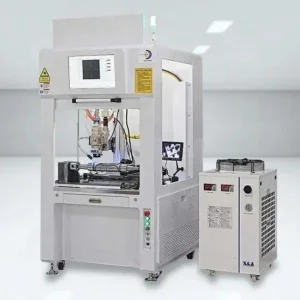
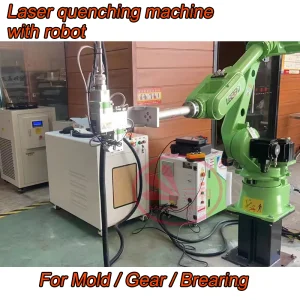
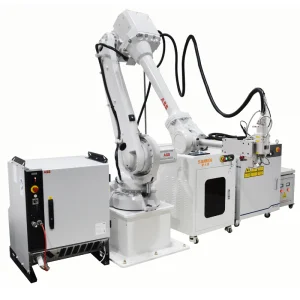
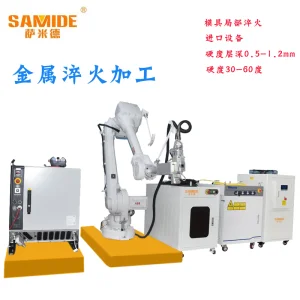
Basic Info.
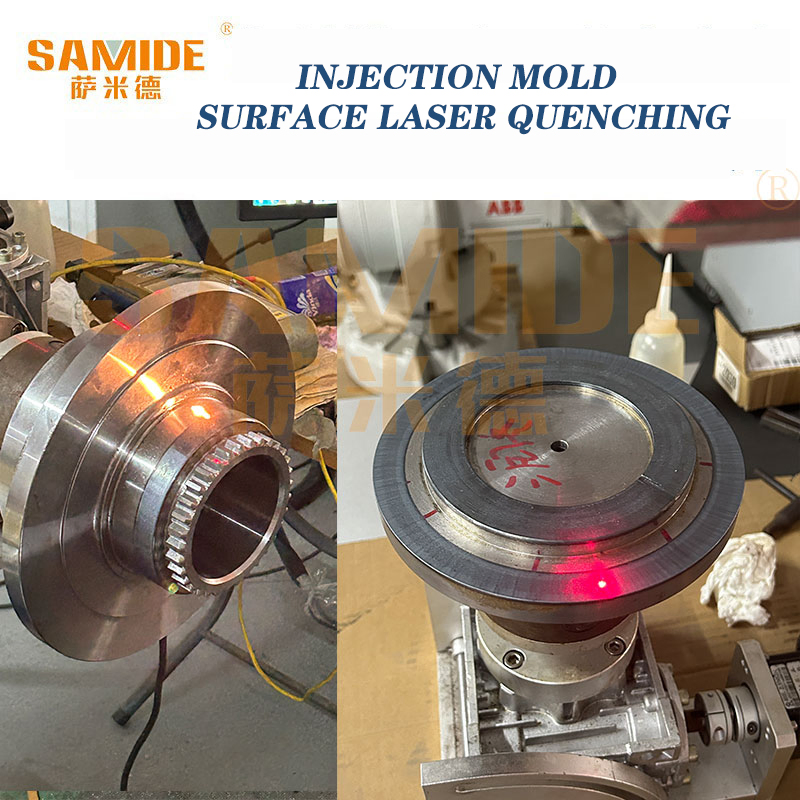
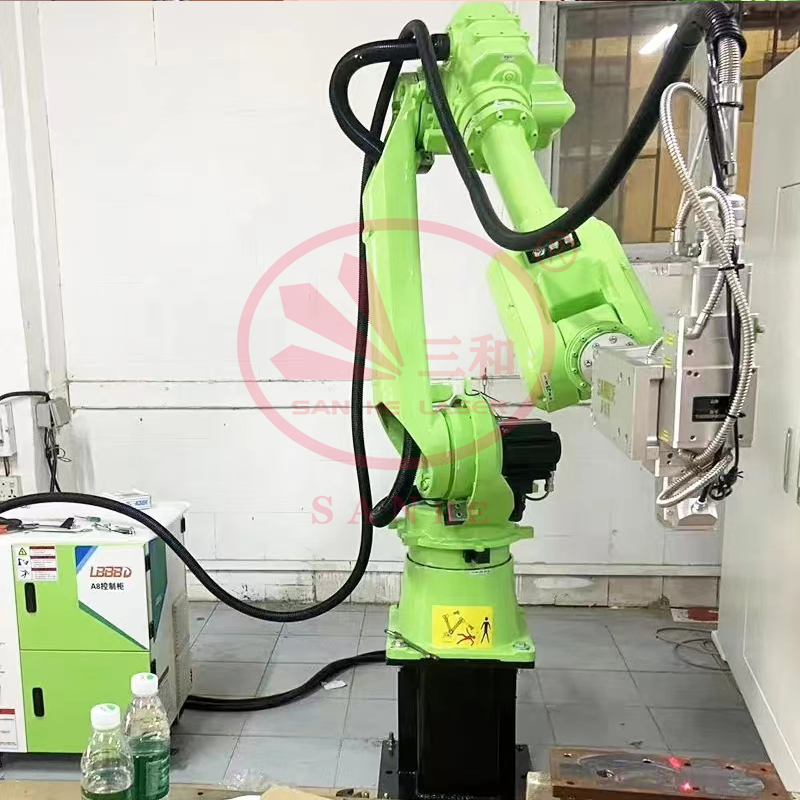
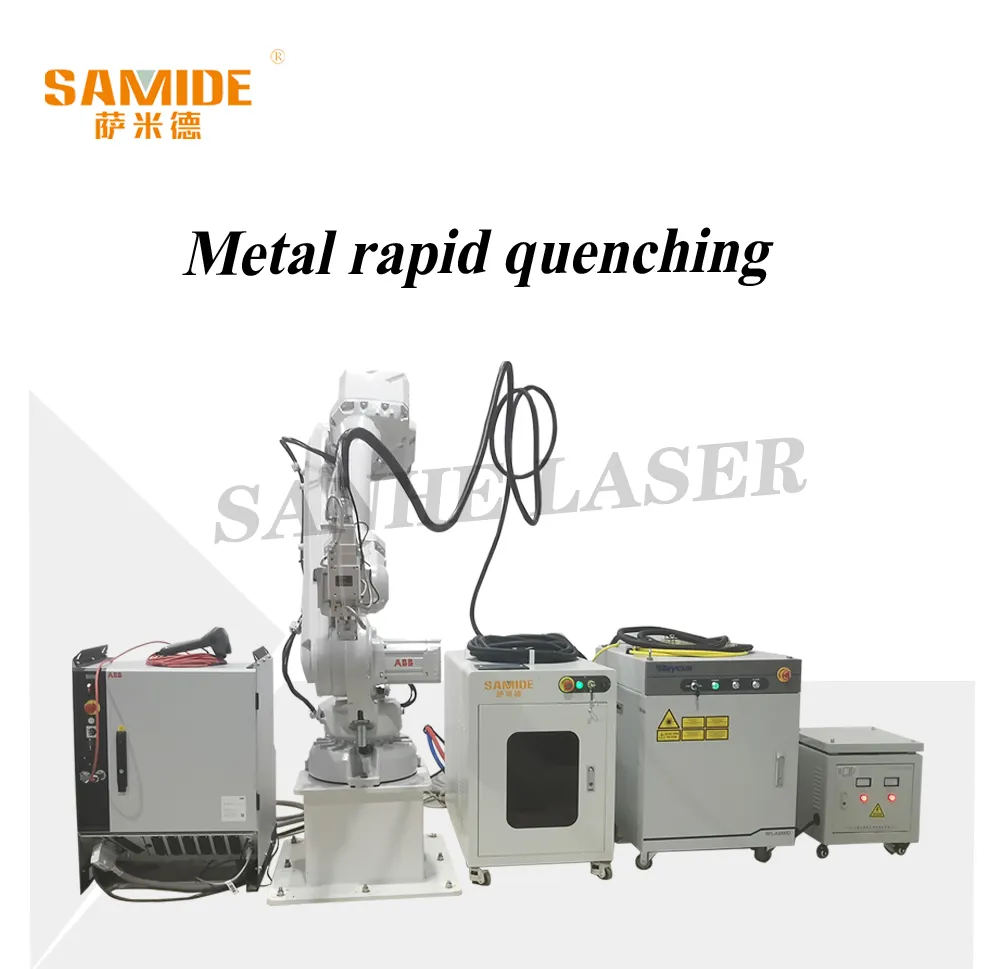
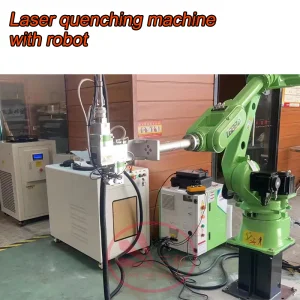
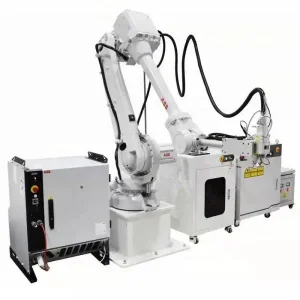
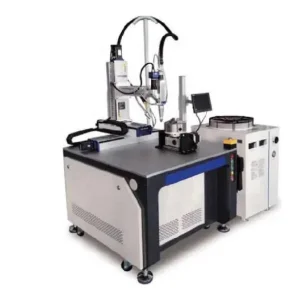
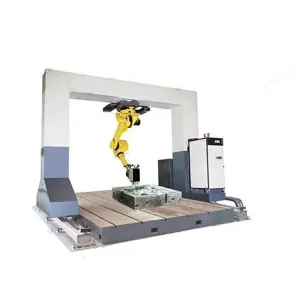
Laser quenching is a highly advanced surface-hardening technique that utilizes a focused laser beam to heat the surface of a material above its phase transition point. Upon cooling down, austenite transforms into martensite, effectively hardening the treated surface.
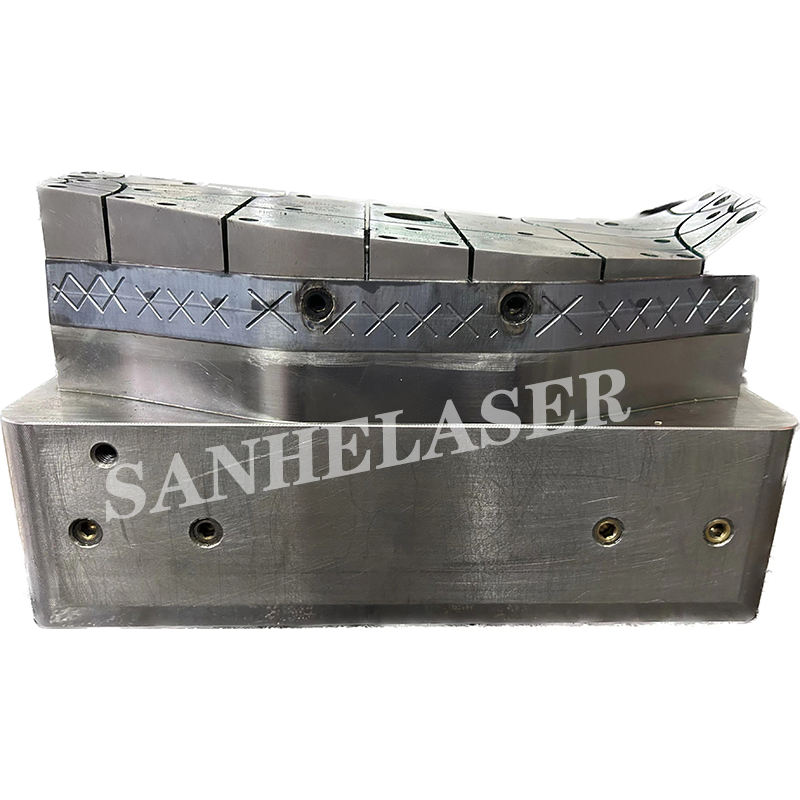
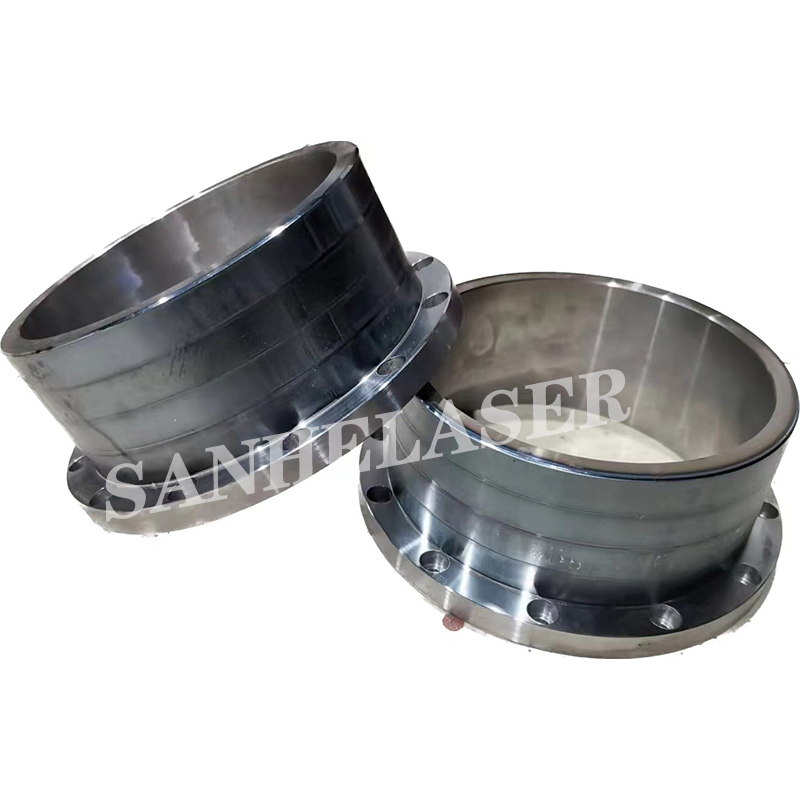
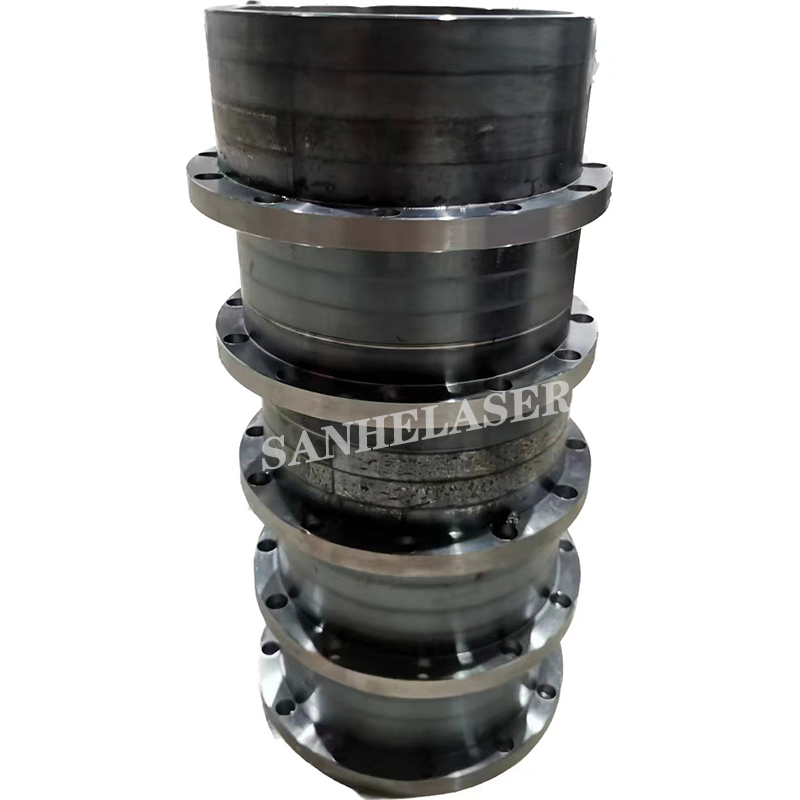
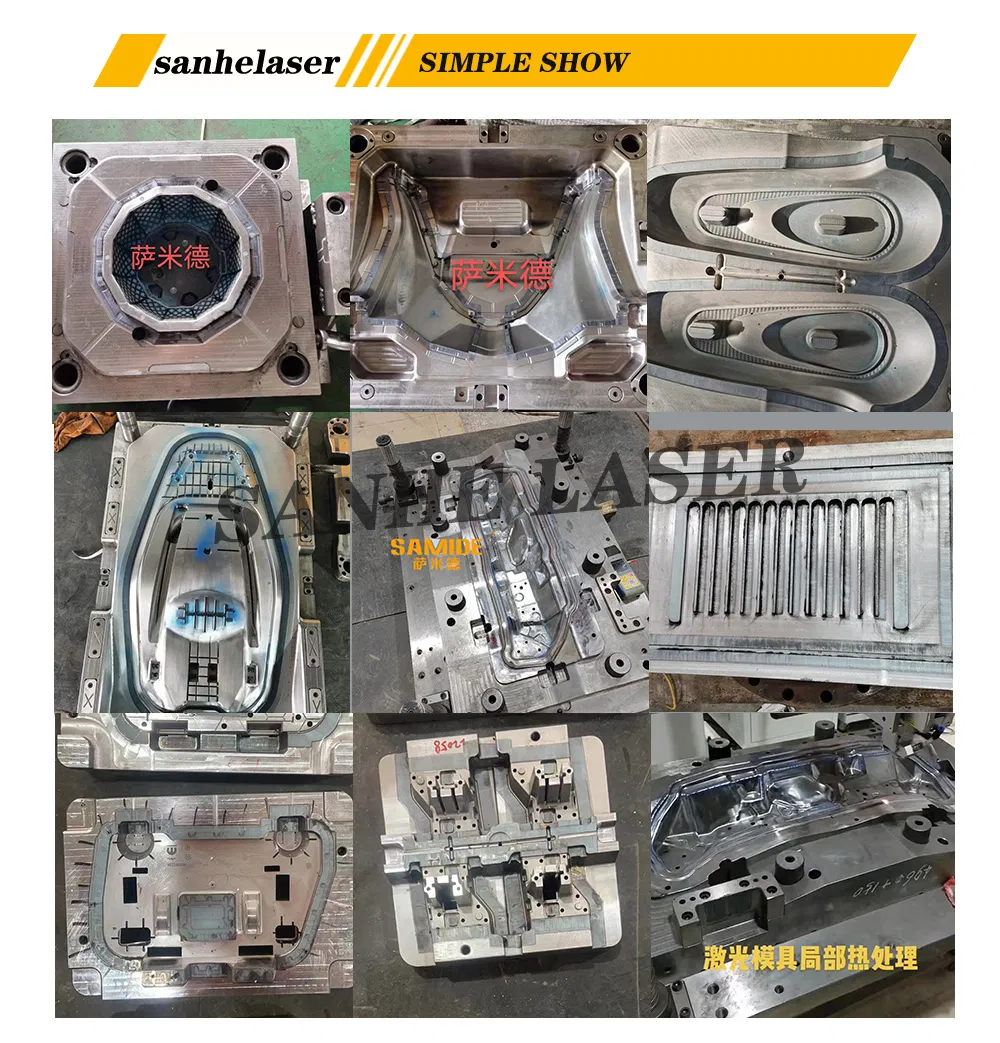
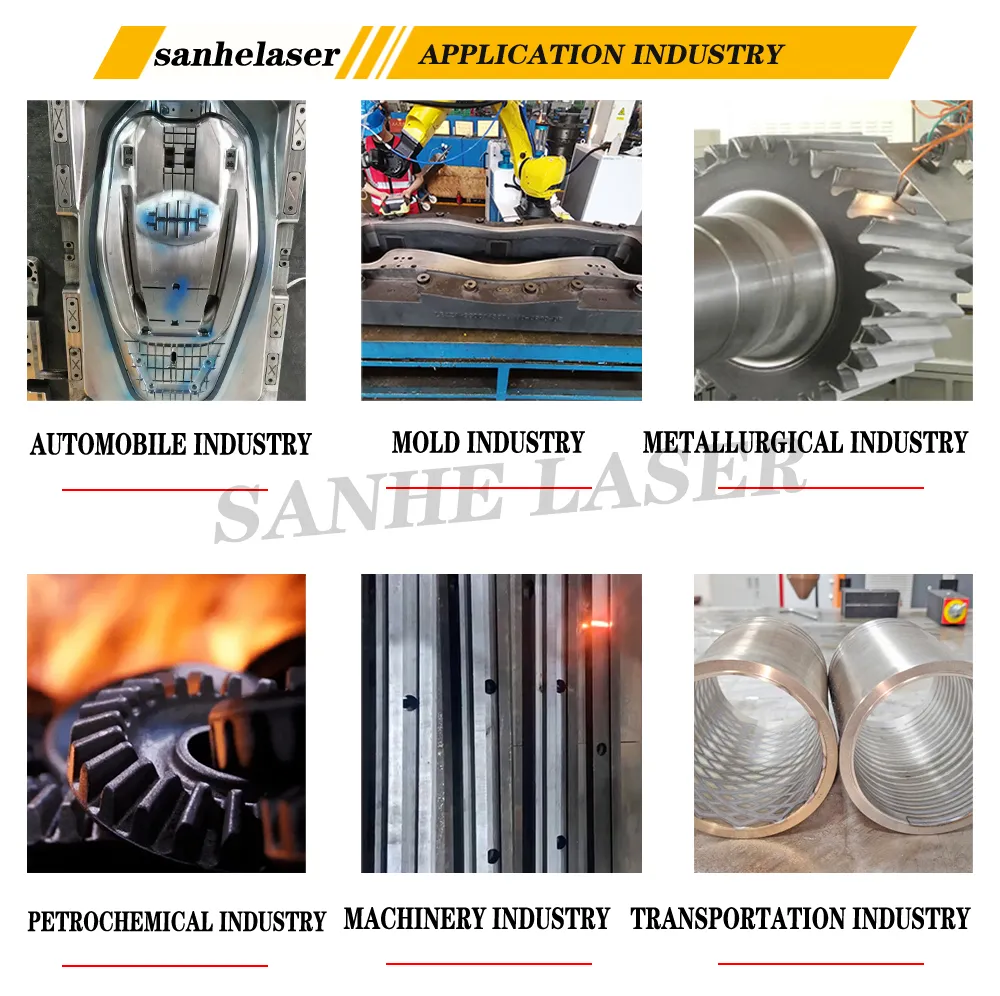
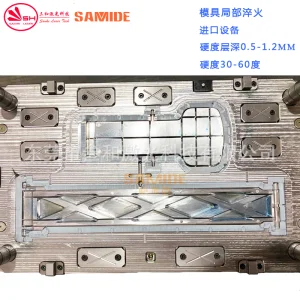
Practical Application: This state-of-the-art laser quenching technology is ideal for strengthening the surfaces of guide rails, large gears, journals, cylinder walls, molds, shock absorbers, friction wheels, rollers, and complex roller components. It is most suitable for medium to high carbon steel and cast iron materials.
1
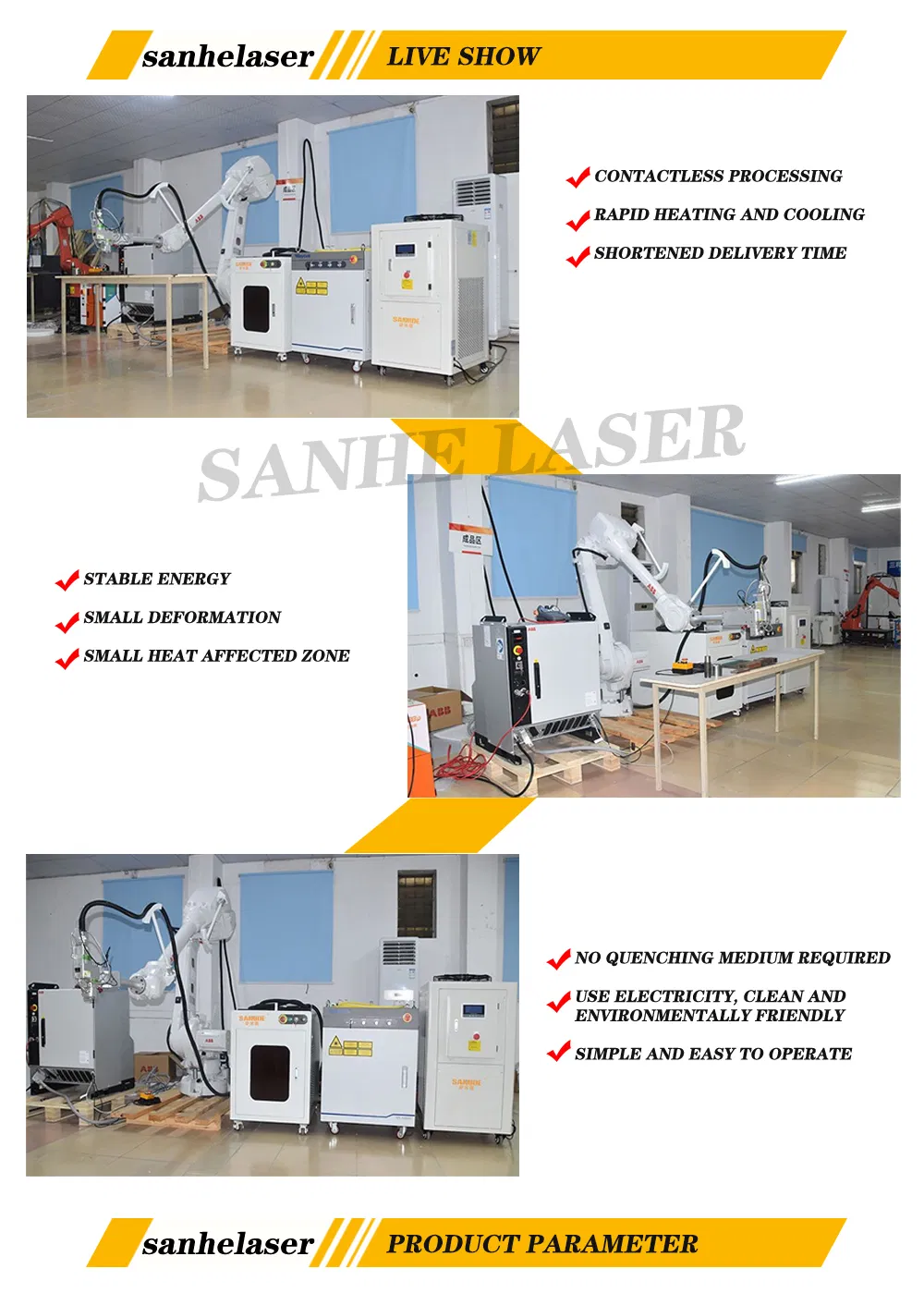
The quenched parts do not deform, and the thermal cycling process of laser quenching is exceptionally fast.
2
Surface roughness remains completely undamaged, aided by a thin anti-oxidation protective coating.
3
Laser quenching eliminates risk of cracking, utilizing precise quantitative CNC control for execution.
4
Accurate CNC quenching for high-precision local, groove, and deep recess positioning.
5
Extremely clean and highly efficient process that does not require cooling media such as water or oil.
6
Quenching hardness is significantly higher than conventional methods; the hardened layer features fine microstructures with excellent strength and toughness.
7
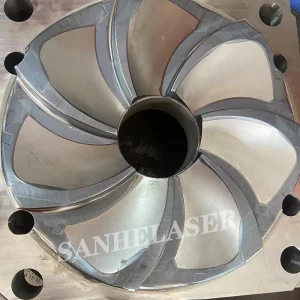
A fast heating, self-excited cooling process that eliminates the need for furnace insulation or coolant, acting as a clean, eco-friendly heat treatment ideal for uniform hardening of large mold surfaces.
8
Due to the ultra-fast heating speed and minimal heat-affected zone, the overall deformation of the processed mold is extremely small.
9
Superb beam directionality and small divergence angles allow precise local surface quenching. The depth of the hardened layer generally reaches 0.3 - 1.0mm depending on materials.
Frequently Asked Questions
What is laser quenching and how does it work?
Laser quenching is an advanced surface-hardening technology. It uses a high-energy laser beam to rapidly heat the material surface above its phase transition point. As the material self-cools, the austenite structure transforms into hard martensite, enhancing the overall strength and durability of the surface.
What materials are suitable for laser hardening?
This technology is highly suitable for medium to high carbon steel as well as various grades of cast iron. It is widely used to harden tools, dies, molds, guide rails, large gears, and automotive components.
Does laser quenching cause parts to warp or deform?
No. Because of the extremely fast thermal cycles and highly localized heating, the heat-affected zone is incredibly small. This ensures that the overall physical deformation of the processed molds or parts is kept to an absolute minimum.
What is the typical depth of the hardened layer?
Depending on the specific steel or metal alloy characteristics, the depth of the laser-hardened surface layer generally ranges from 0.3mm to 1.0mm.
Does the laser quenching process require oil or water cooling?
No, it is a self-excited cooling process. It relies on the rapid heat transfer from the heated surface into the cold base material. This eliminates the need for environmental pollutants like cooling oils or water media, making it a completely clean and green heat treatment technology.
Can this system perform localized or selective quenching?
Yes. Guided by highly precise CNC controls and high-quality optical delivery systems, the laser beam can target specific local areas, grooves, and complex geometric shapes with extreme accuracy.
 Zico Machine