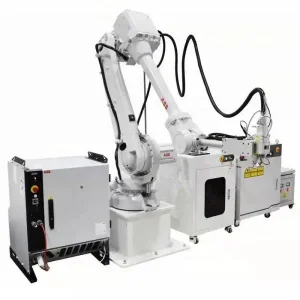
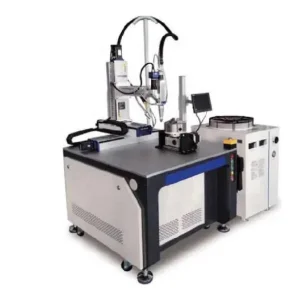
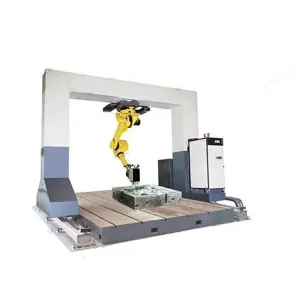
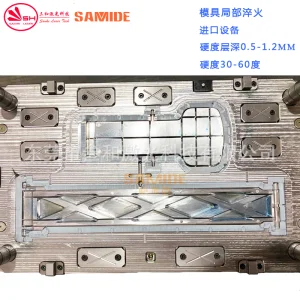
Basic Info & Specifications
Application
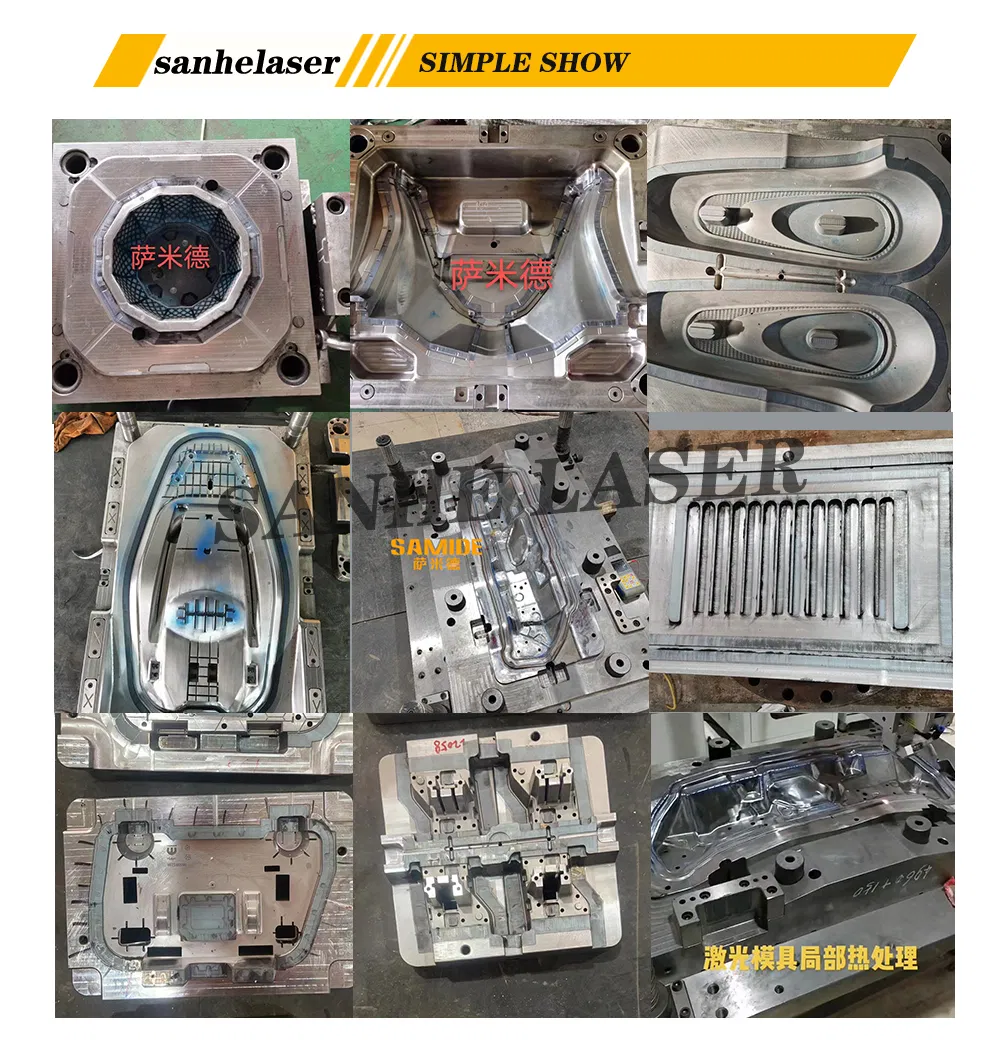
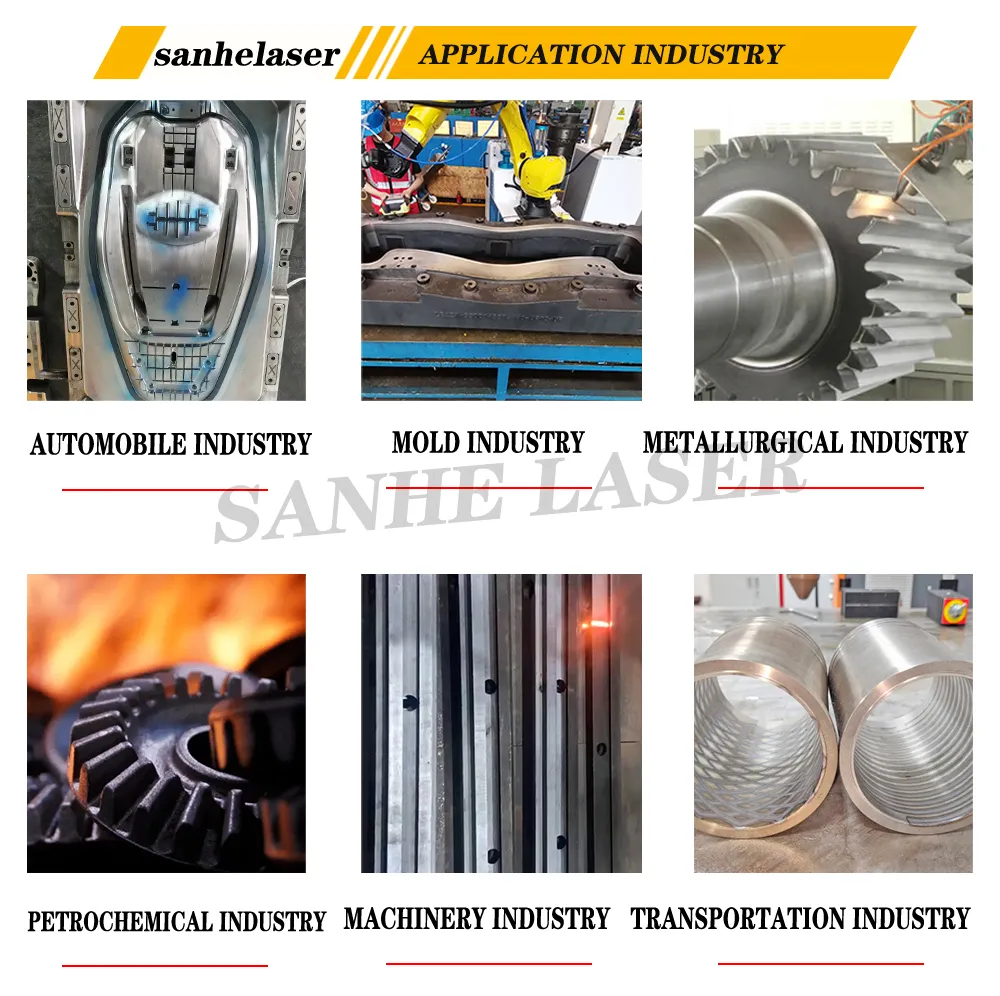
Aerospace, Agricultural Machinery, Petroleum Metallurgy, Automotive Industry
Automatic Grade
Automatic
Packaging & Delivery
Package Size
145.00cm * 145.00cm * 185.00cm
Product Description
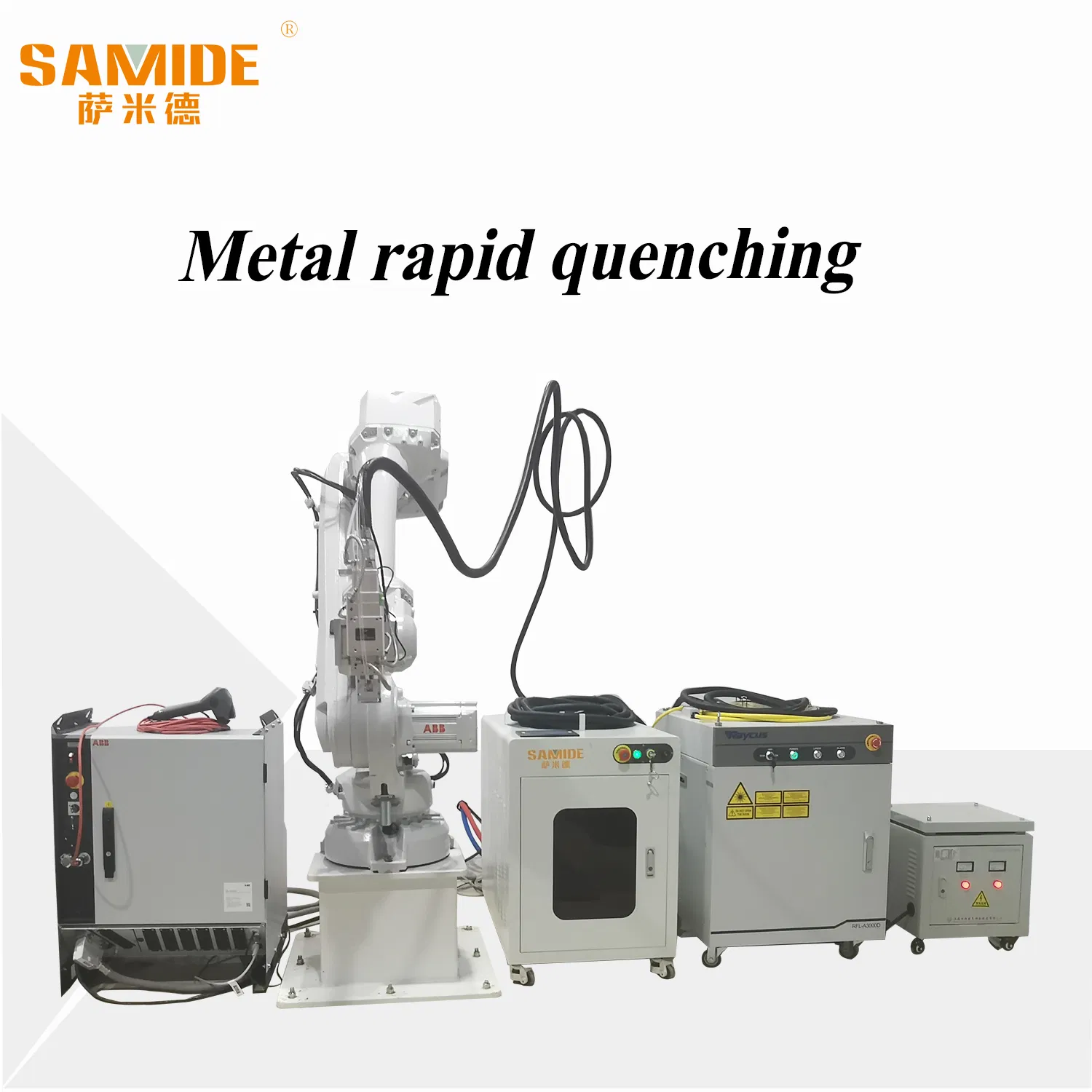
| Wave Length (nm) |
915±10 |
| Output Instability (%) |
<3 |
| Rate (Hz) |
50~5k |
| Red Light Point Power (mW) |
0.25~1 |
| Output Head Mode |
QBH |
| Fiber Core (μm) |
600 |
| Fiber Length (m) |
20 |
| Voltage |
AC380V±38V, 50/60Hz |
| Size (W×H×D) (mm) |
650×950×980 |
| Power Consumption |
22KW |
Our Advantages & Characteristics
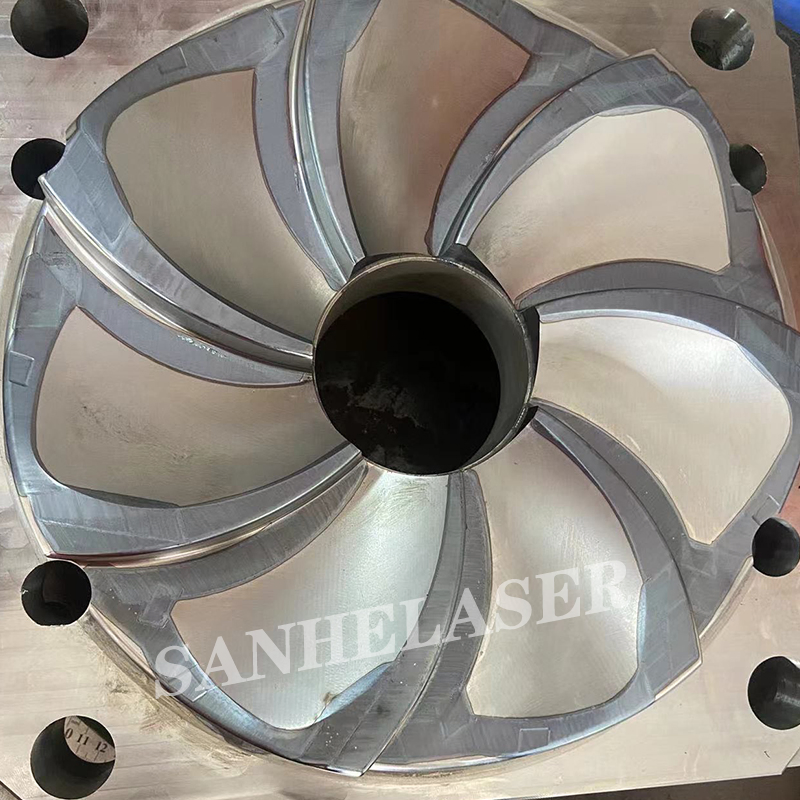
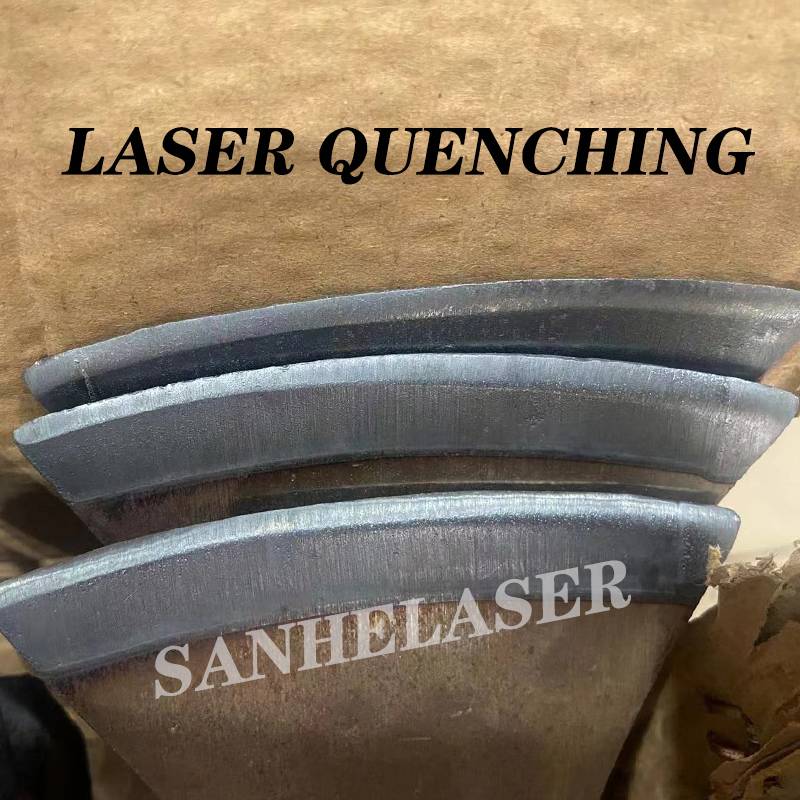
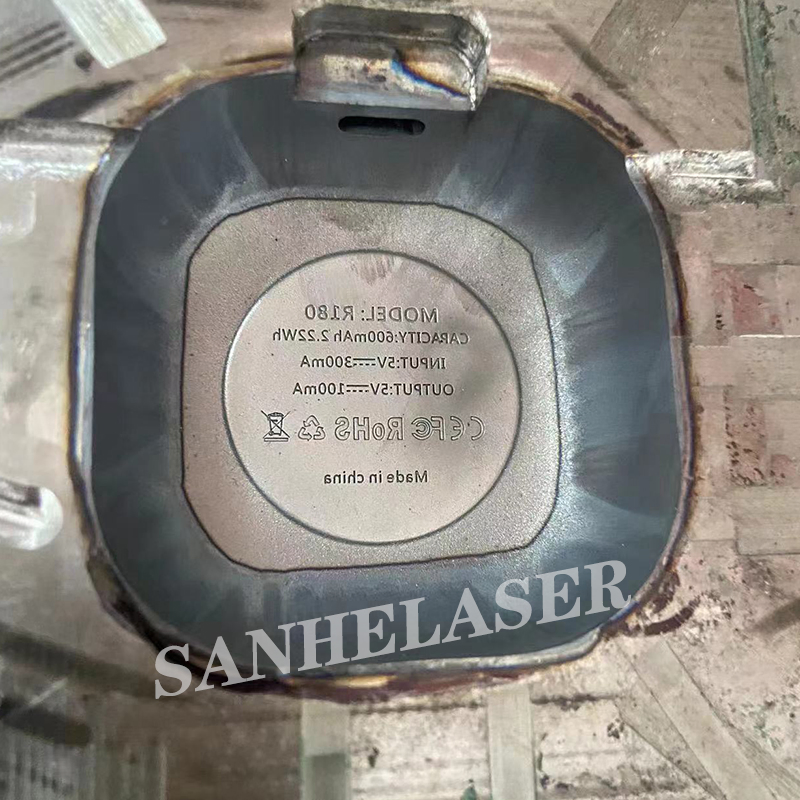
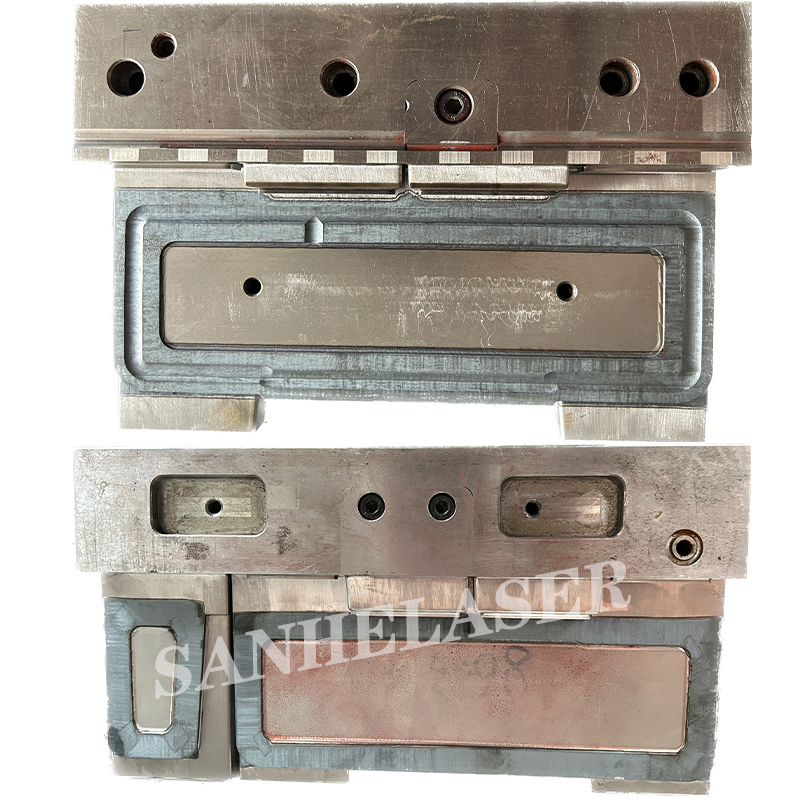
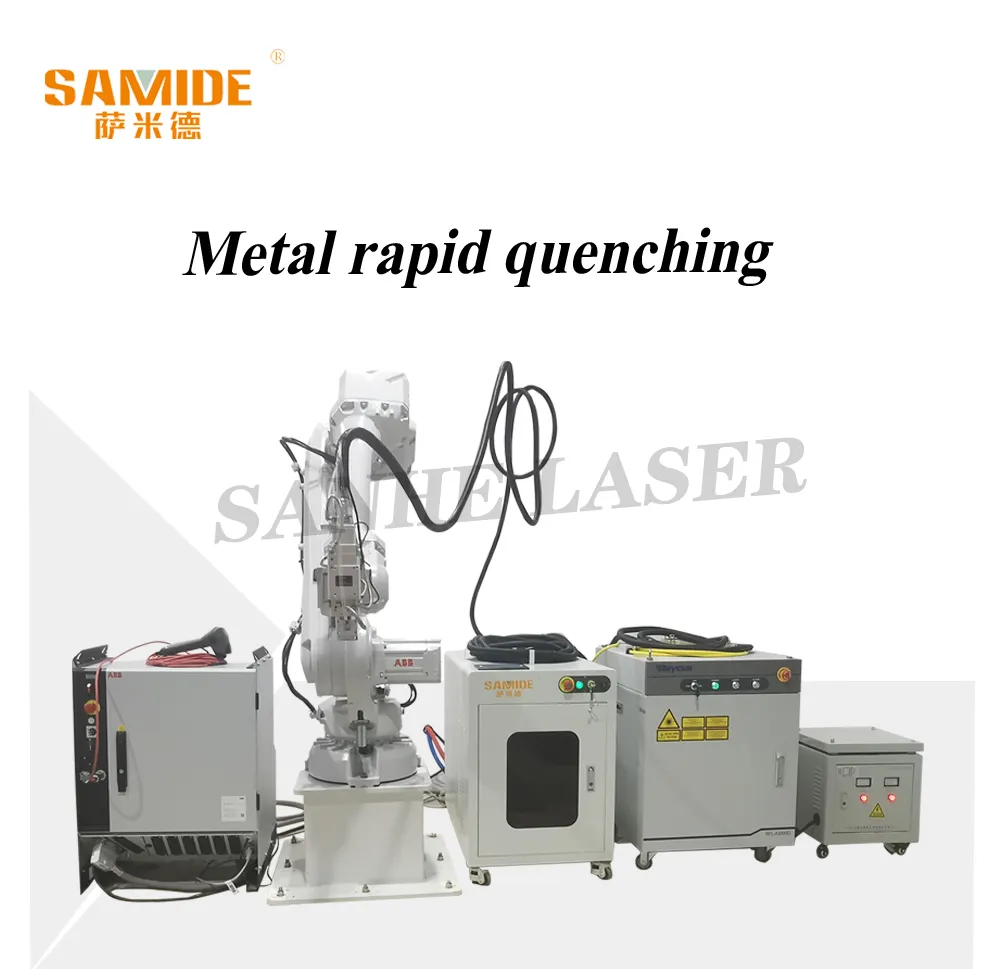
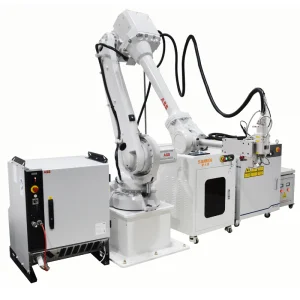
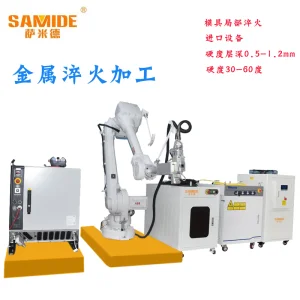
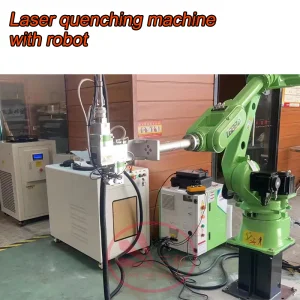
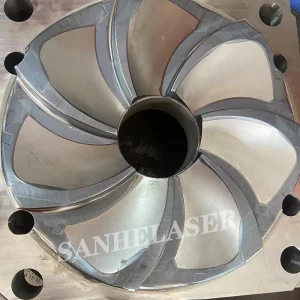
Laser quenching is a technique that uses lasers to heat the surface of a material above the phase transition point. As the material cools, austenite transforms into martensite, hardening the surface. It is ideal for guide rails, large gears, journals, molds, and rollers.
✓
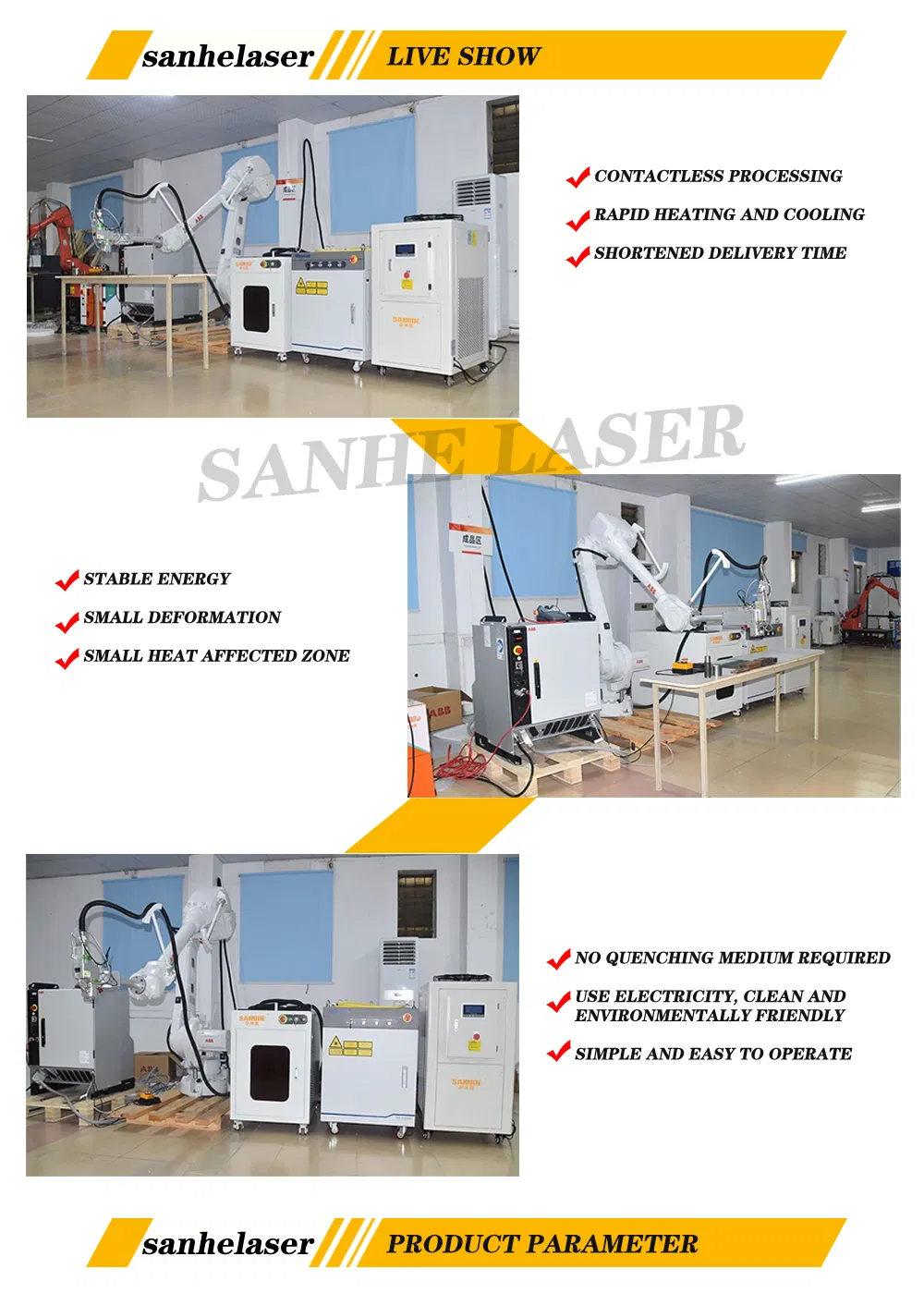
Zero Deformation: The thermal cycling process is extremely fast, ensuring quenched parts do not deform.
✓
Surface Protection: Surface roughness remains almost undamaged; utilizes thin anti-oxidation coatings.
✓
Precision Control: Accurate CNC quenching for local, groove, and specific positioning.
✓
Eco-Friendly: Clean and efficient process requiring no water or oil cooling media.
✓
Superior Hardness: Hardness is higher than conventional methods with a fine microstructure and excellent toughness.
✓
Efficiency: Fast heating and self-excited cooling process without furnace insulation requirements.
Frequently Asked Questions (FAQ)
What materials are suitable for laser quenching?
Laser quenching is most suitable for medium to high carbon steel and various types of cast iron.
Does the laser quenching process cause part deformation?
No, due to the instantaneous local heating and fast cooling speed, the deformation of the processed mold or part is extremely small.
What is the typical depth of the laser hardened layer?
Depending on the material, the depth of the hardened layer for laser surface quenching is generally between 0.3mm and 1mm.
Is cooling oil or water needed for the quenching process?
No, laser quenching is a self-excited cooling process. It does not require cooling media such as water or oil, making it a green and pollution-free heat treatment.
Can laser quenching be used on specific local areas of a part?
Yes, through CNC control and a light guide system, lasers can perform precise local quenching on grooves, holes, and specific surface areas.
How does laser quenching hardness compare to traditional methods?
Laser quenching typically results in higher hardness than conventional methods, featuring a finer microstructure and better wear resistance.
 Zico Machine