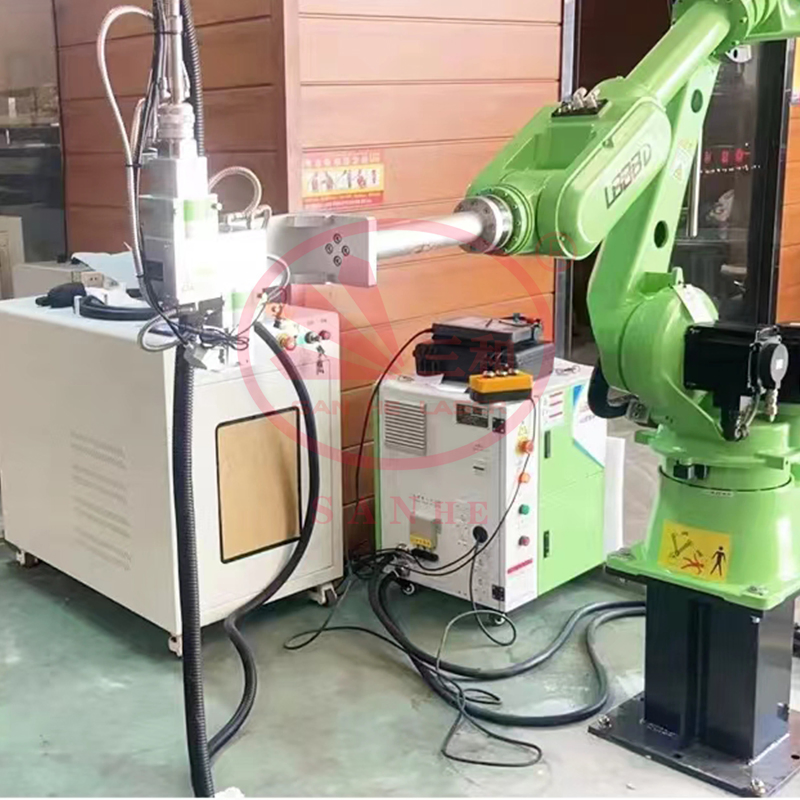
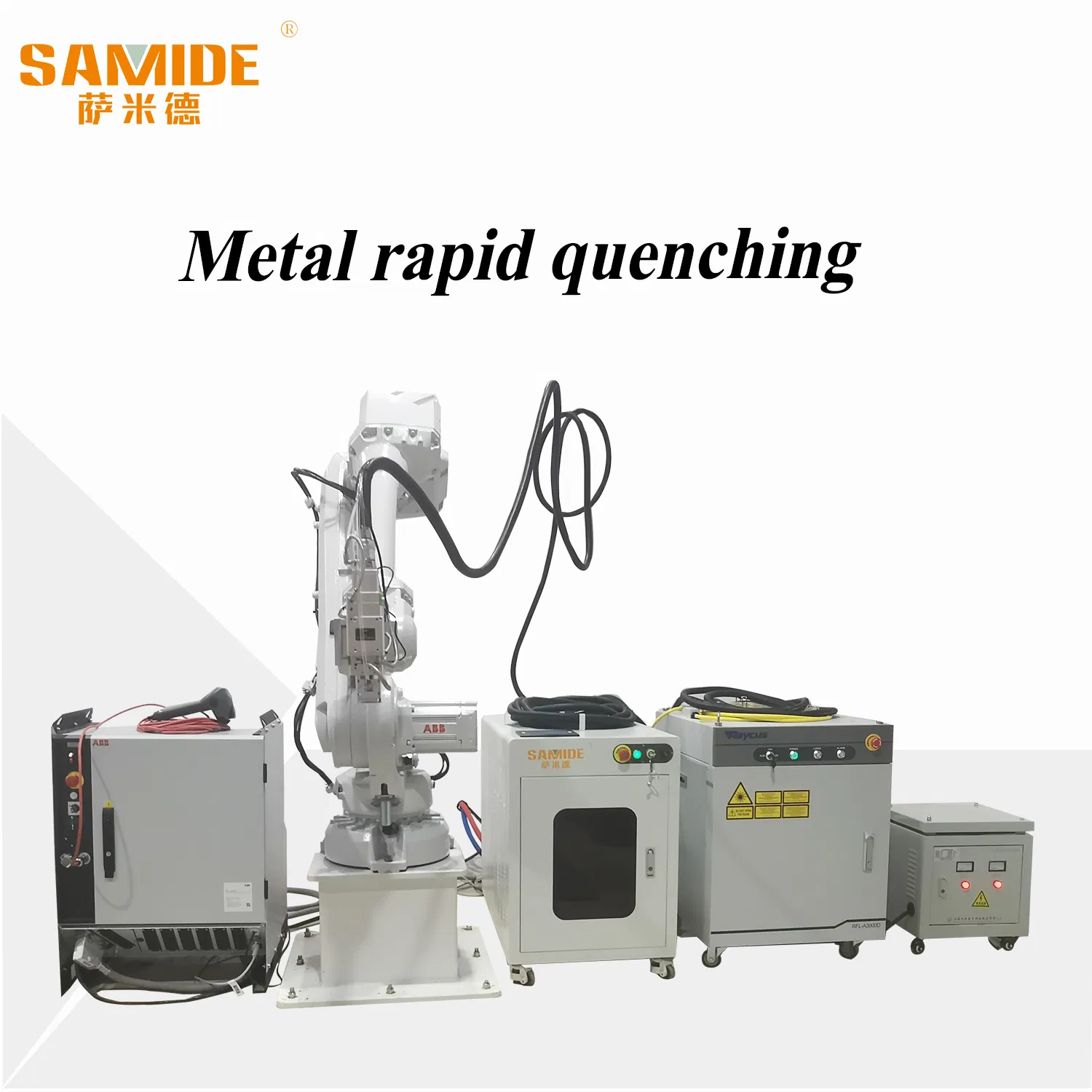
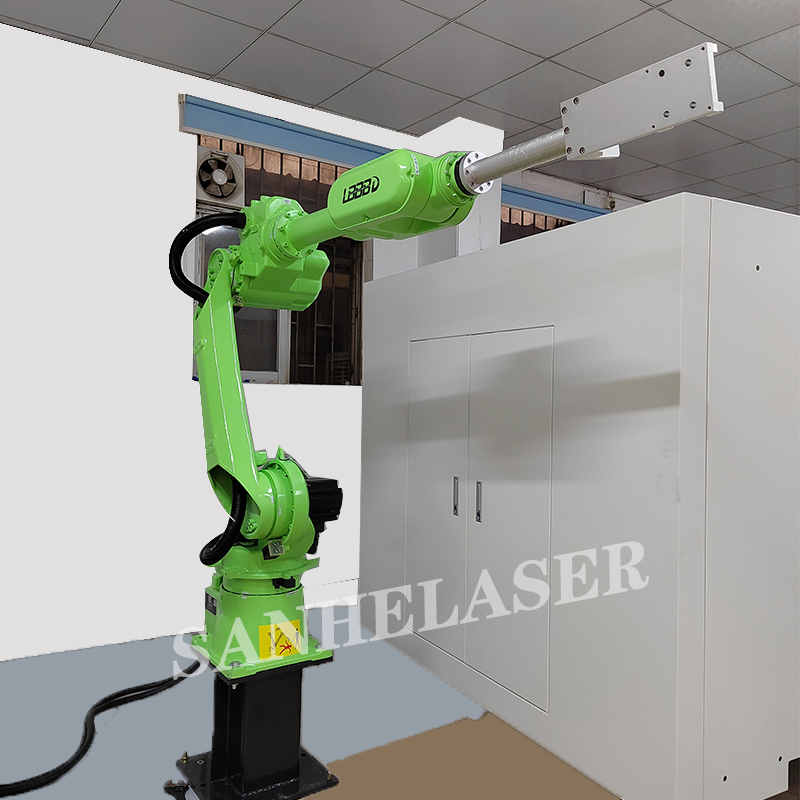
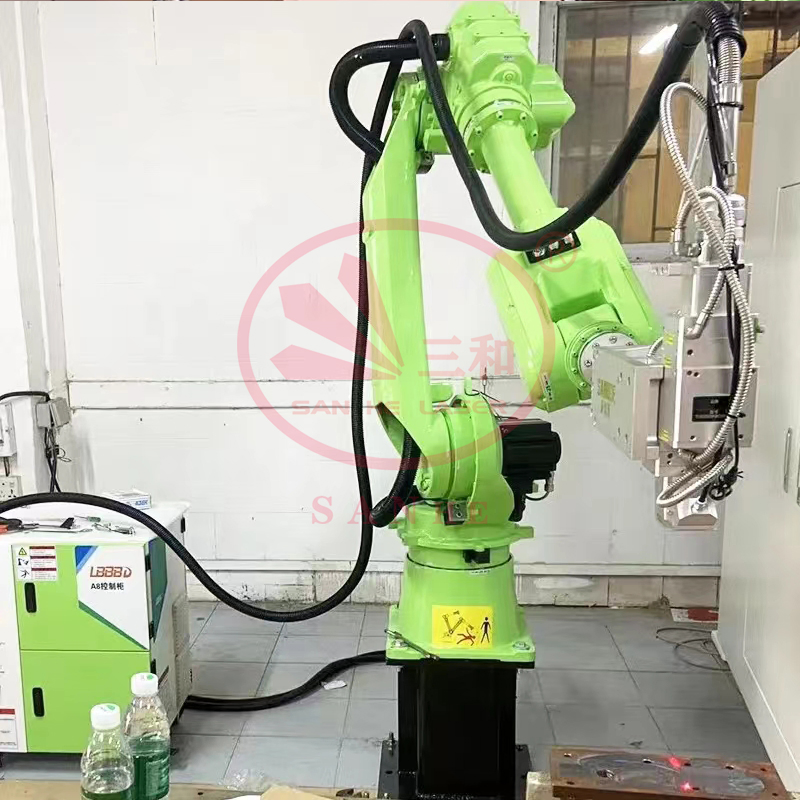
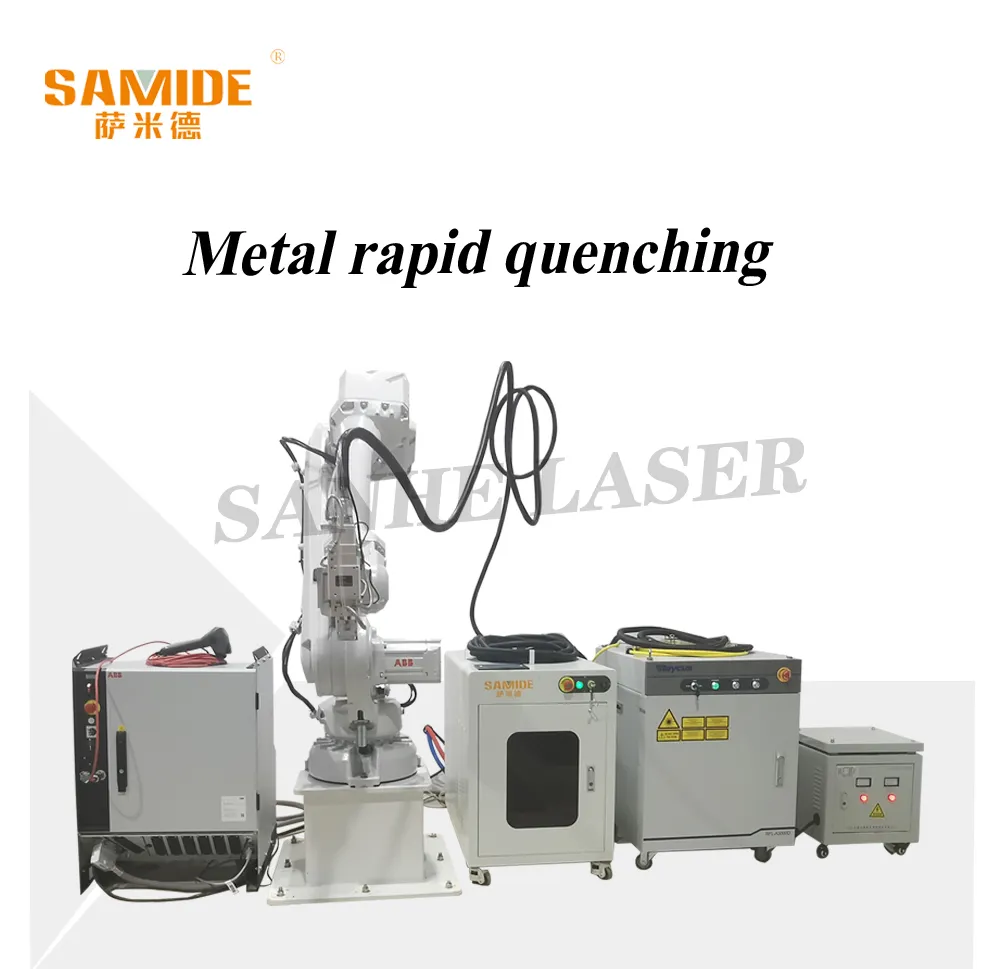
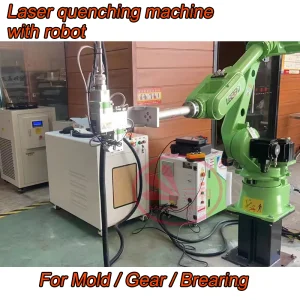
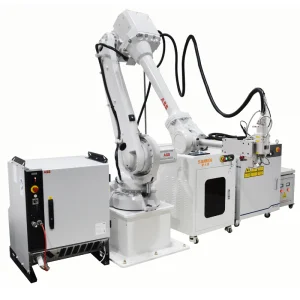
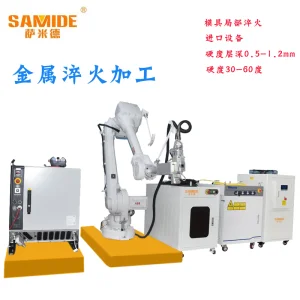
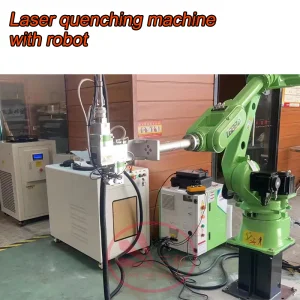
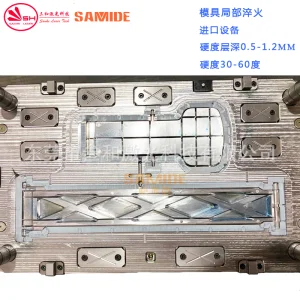
What is laser quenching and how does it work?
Laser quenching is a modern surface hardening technique that uses a high-density laser beam to rapidly heat the surface of a material above its phase transition point. As the laser beam moves away, the heated area cools down instantly via self-excited thermal conduction, transforming austenite into martensite to form a hardened surface layer.
What kinds of industrial parts and materials are suitable for laser quenching?
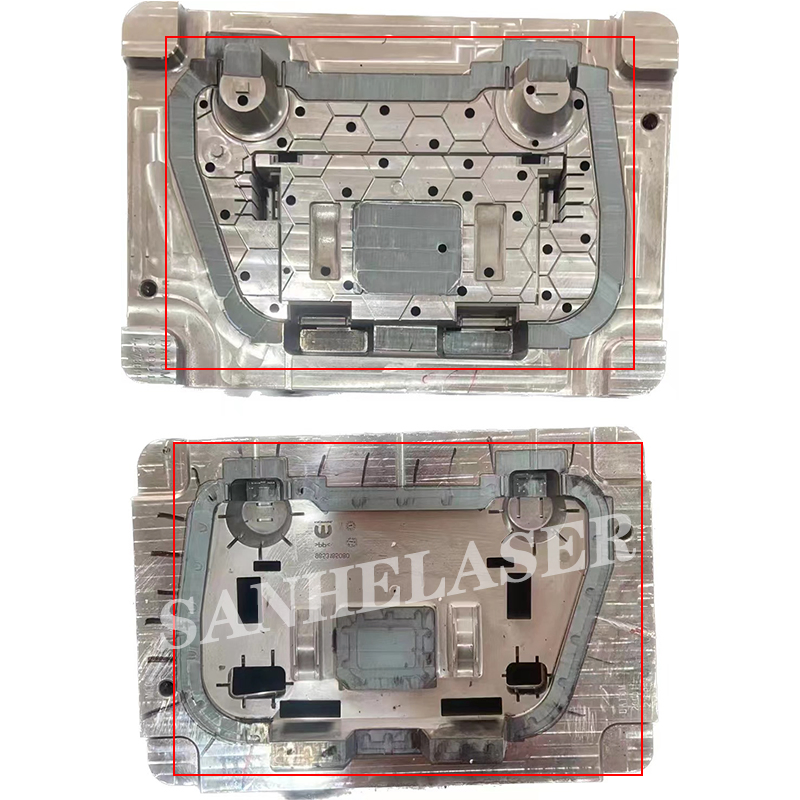
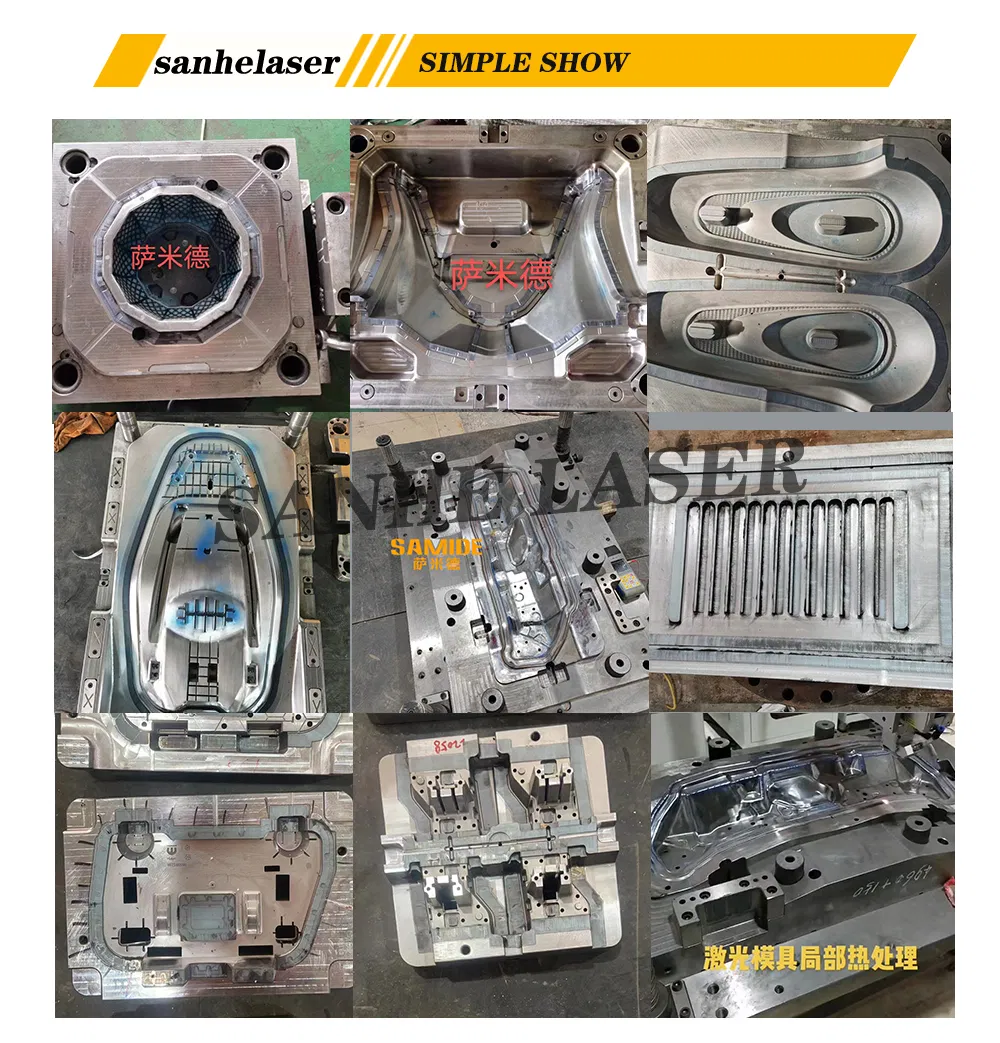
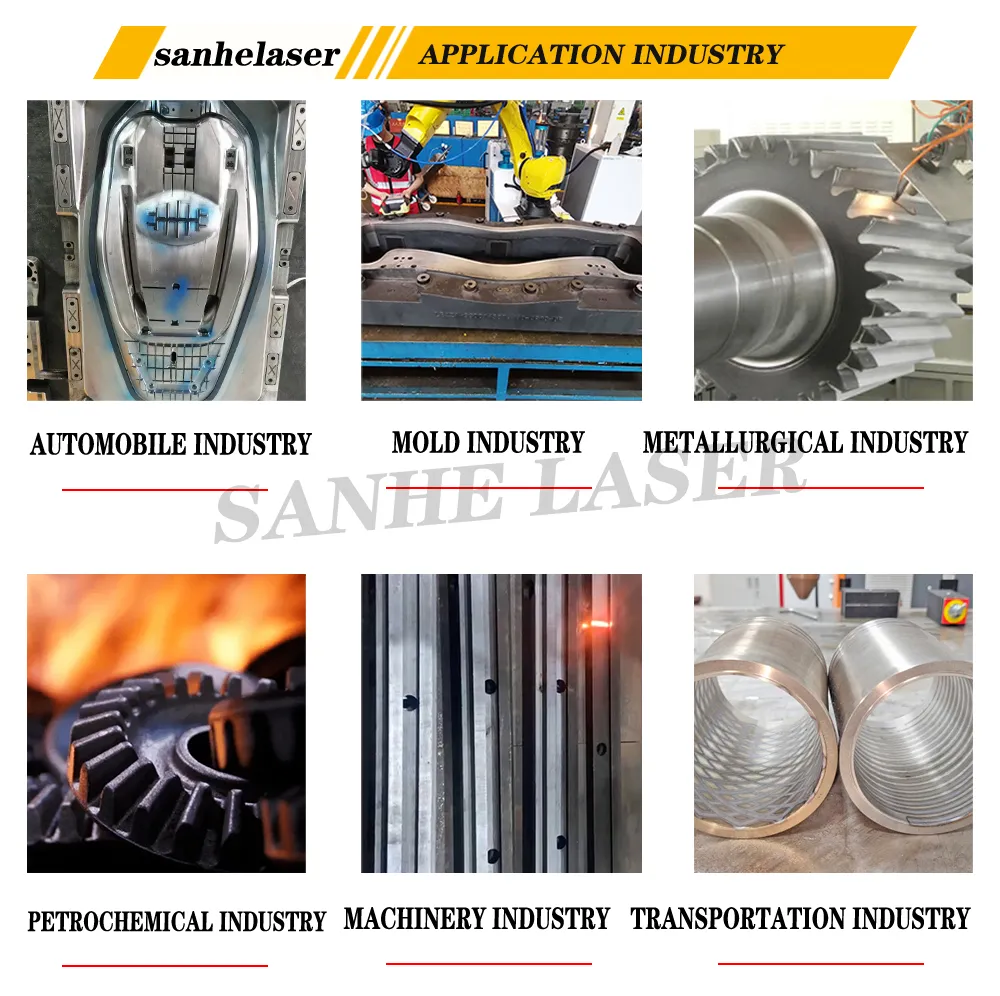
This technology is highly suitable for strengthening the surfaces of large gears, guide rails, journals, cylinder walls, hardware molds, shock absorbers, friction wheels, and rollers. The most suitable base materials are medium to high carbon steel as well as cast iron.
Why is laser quenching considered superior to conventional heat treatment methods?
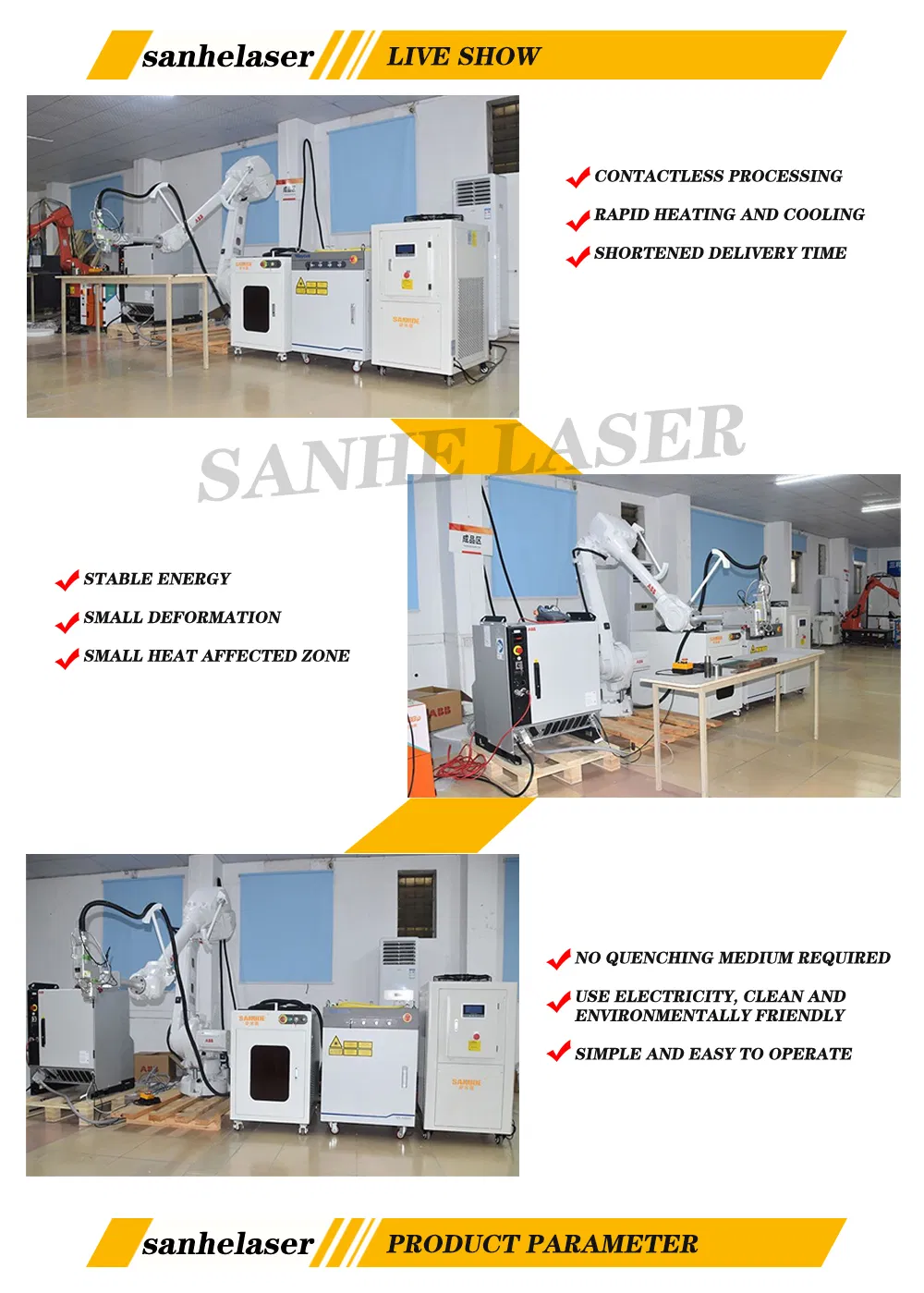
Unlike conventional quenching, laser quenching provides higher surface hardness, a much finer microstructure, and excellent strength and toughness. Additionally, it offers precise quantitative CNC positioning, allows local and groove quenching, and requires no external cooling media like water or oil.
Does the laser quenching process cause dimensional deformation?
No, dimensional deformation is extremely minimal. Because the laser heating speed is exceptionally fast and restricted to a highly localized scanning zone, the thermal cycle is completed rapidly with a very small heat-affected zone, ensuring the treated workpiece retains its shape and structural integrity.
What is the typical depth of the hardened layer achieved by laser surface quenching?
The depth of the hardened layer generally ranges from 0.3mm to 1mm, depending on the physical specifications of the material and the chosen configuration of the laser hardening machine.
Is laser quenching an environmentally friendly process?
Yes, it is a completely clean, pollution-free, and green heat treatment process. It achieves self-excited cooling naturally through the bulk material, eliminating the need for hazardous coolant chemicals, water systems, or intensive furnace insulation.
 Zico Machine