🌟 Our Advantages
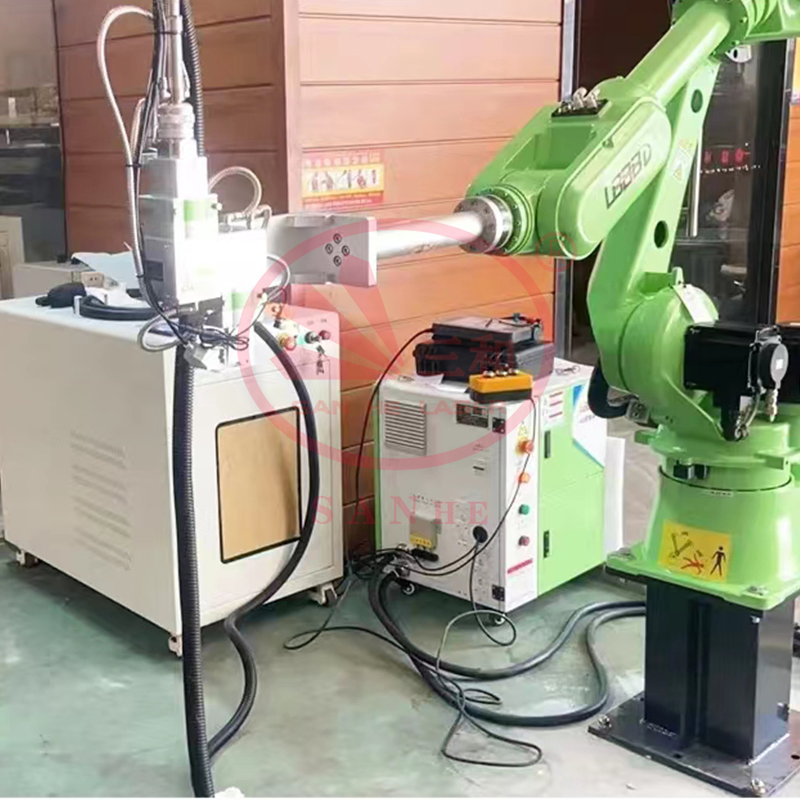
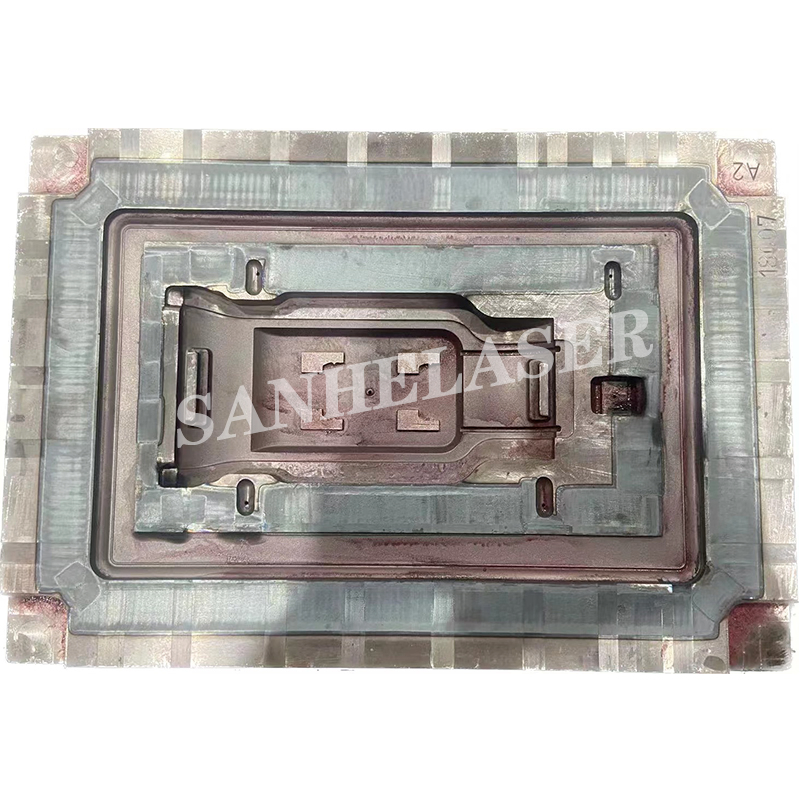
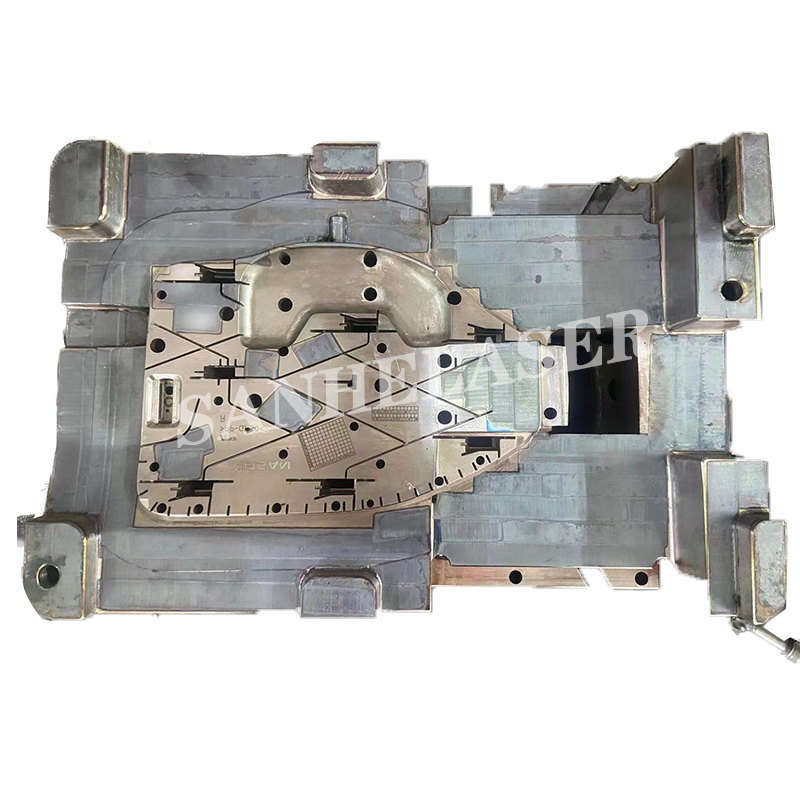
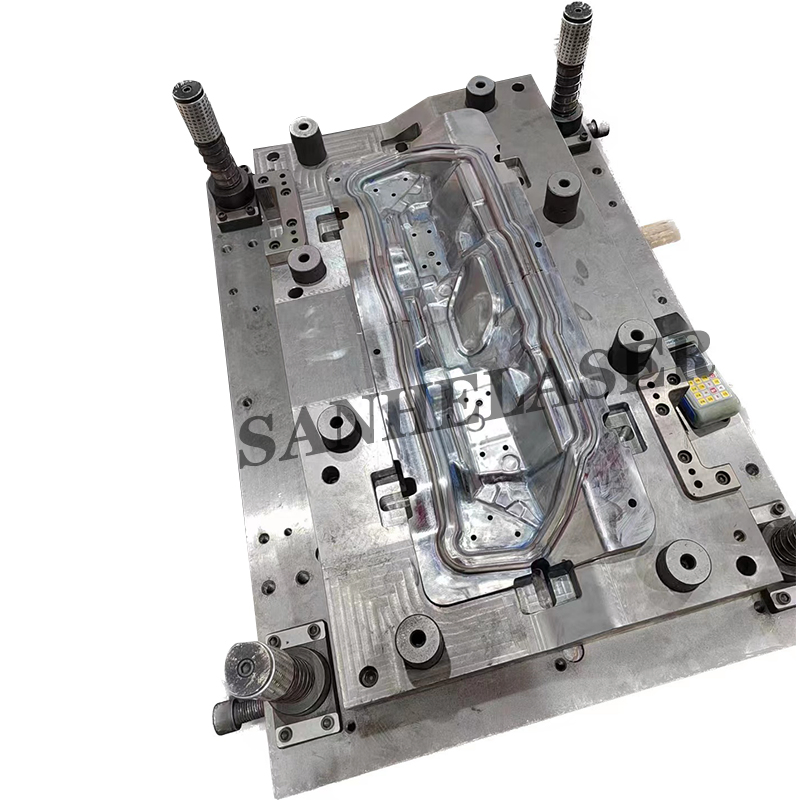
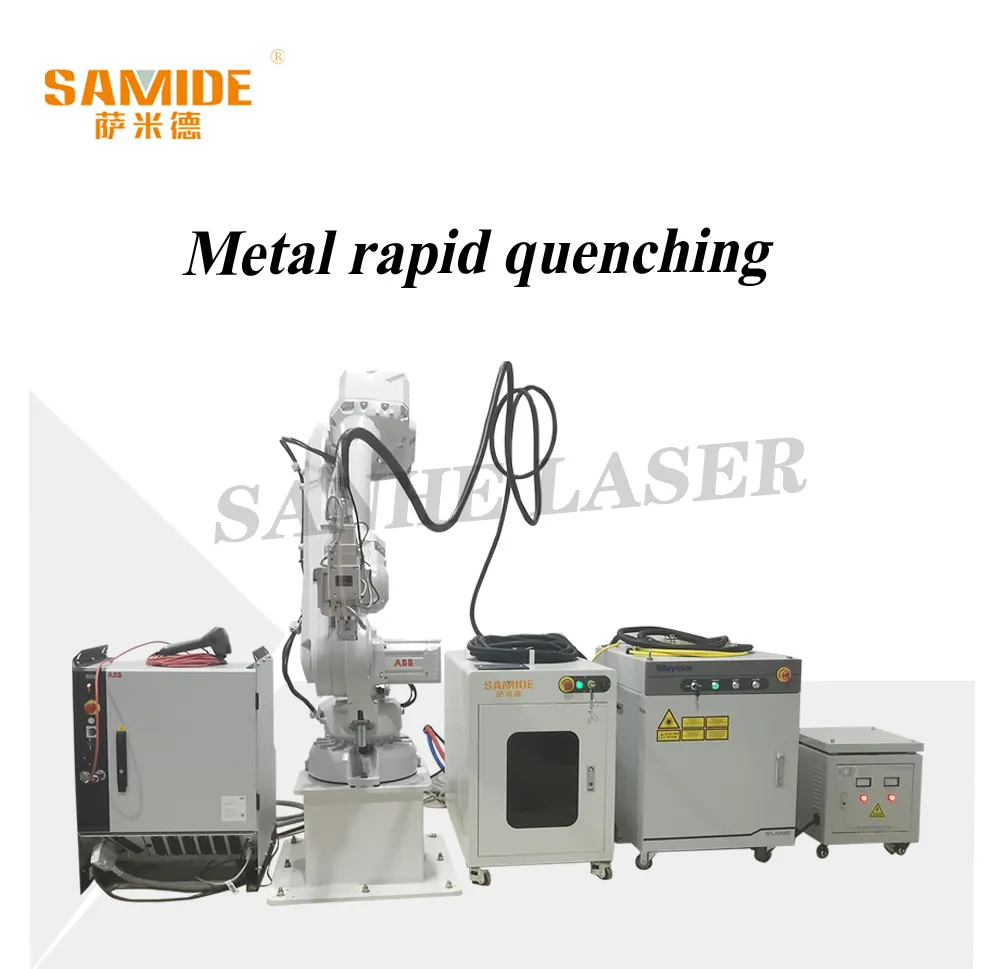
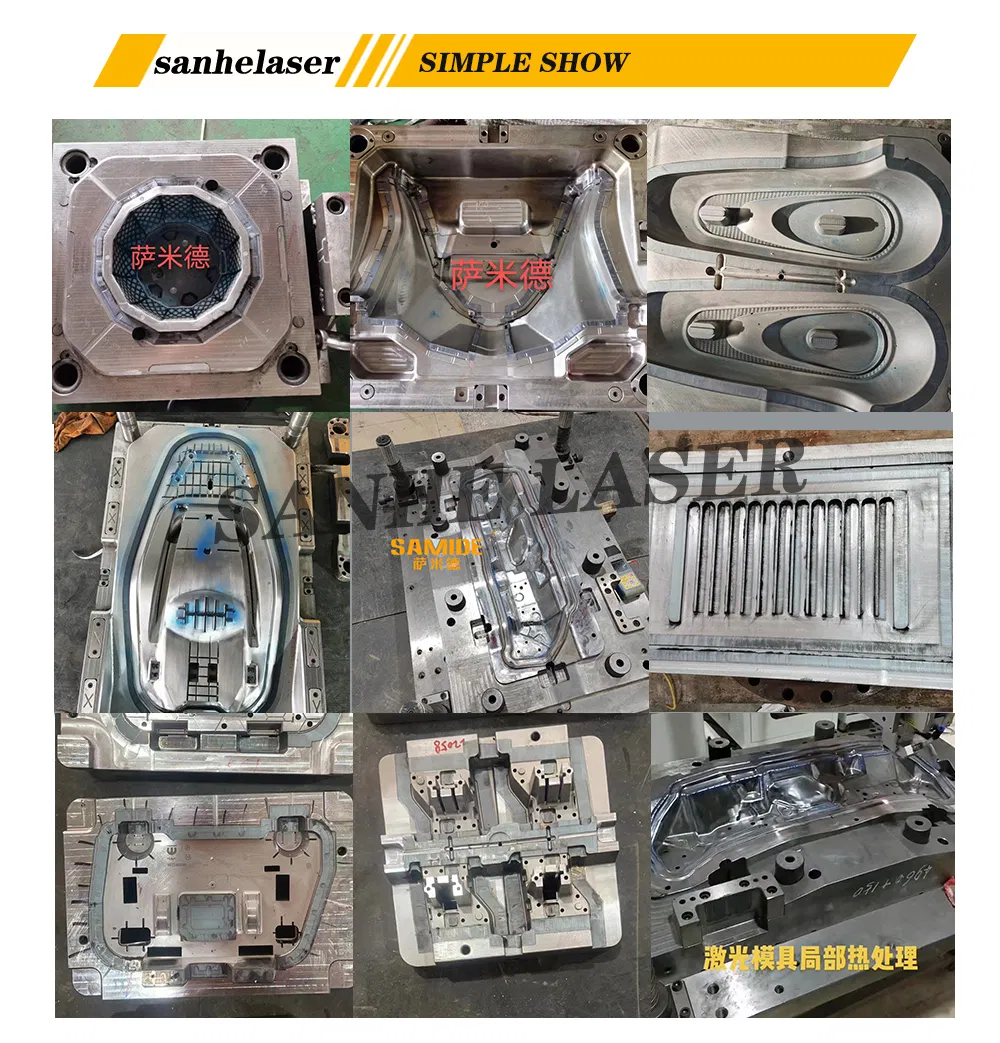
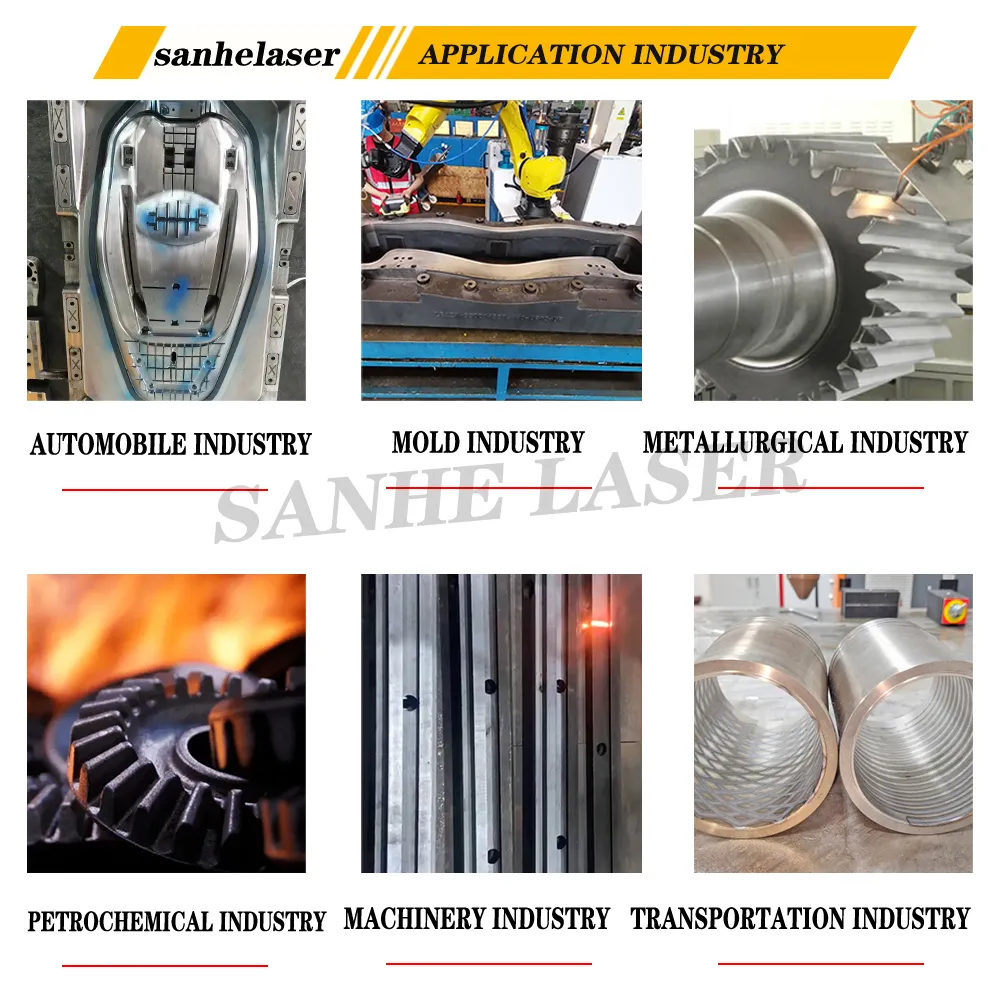
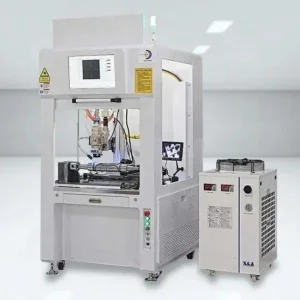
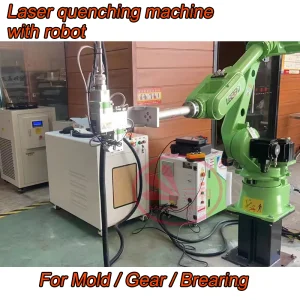
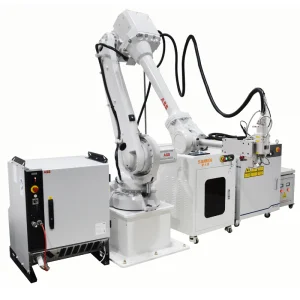
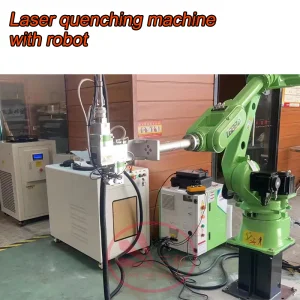
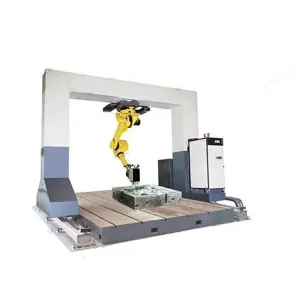
Laser quenching is a technique that uses laser to heat the surface of a material above the phase transition point. Suitable materials include medium to high carbon steel and cast iron.
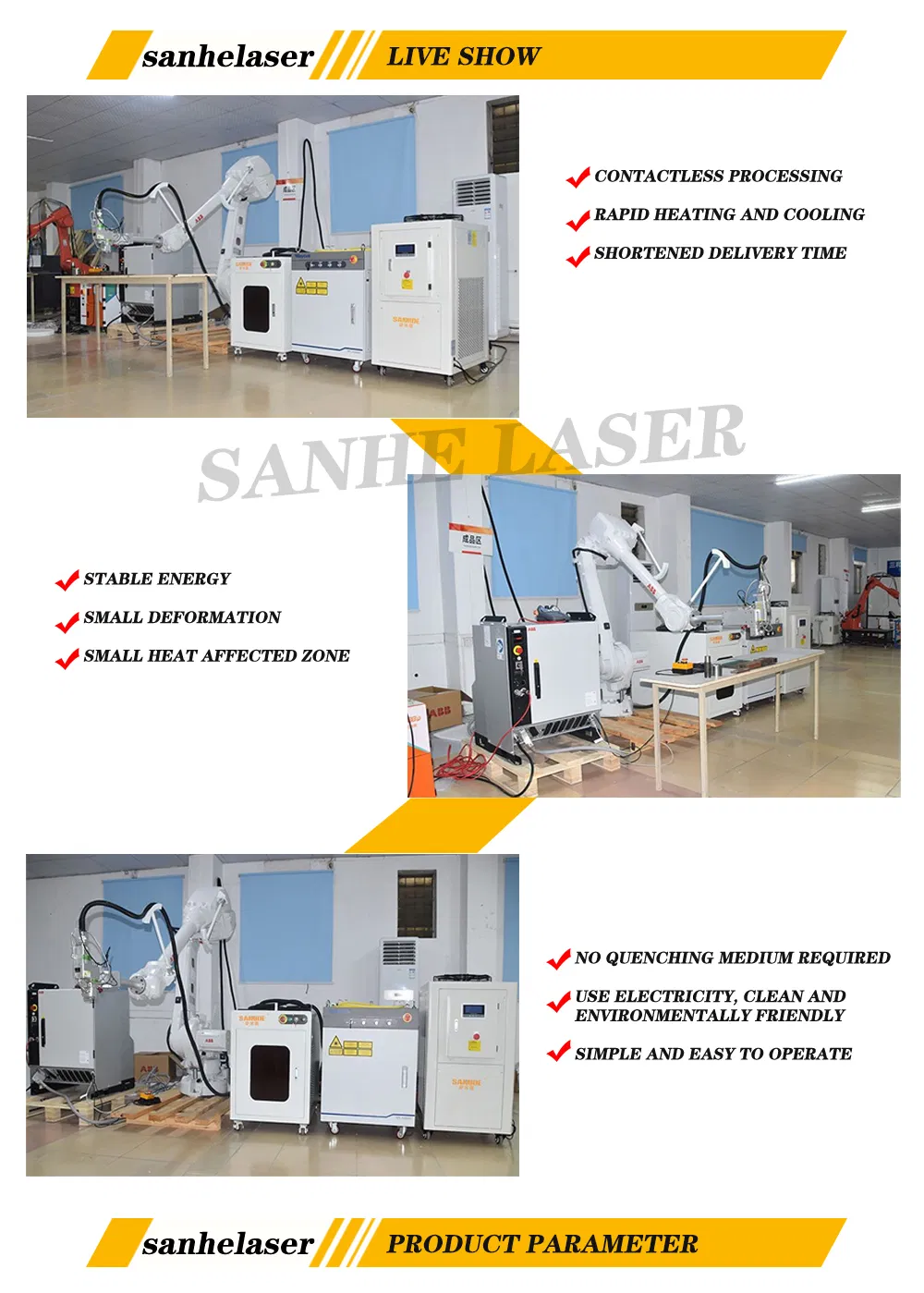
No Deformation Fast thermal cycling process ensures the quenched parts do not deform.
Surface Protection Surface roughness is preserved and protected by thin anti-oxidation coatings.
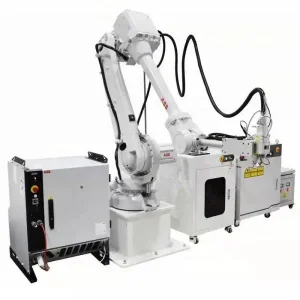
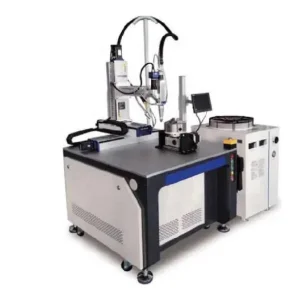
Precision CNC Accurate CNC quenching for local, groove, and specific positioning.
Eco-Friendly Clean, efficient, and does not require cooling media like water or oil.
High Hardness Fine microstructure results in higher strength and toughness than conventional methods.
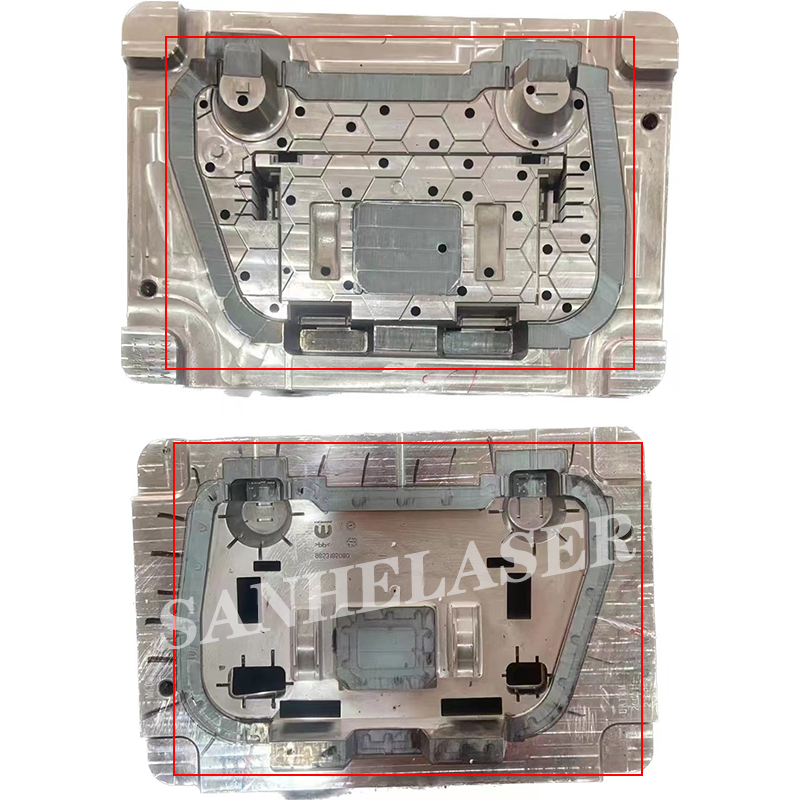
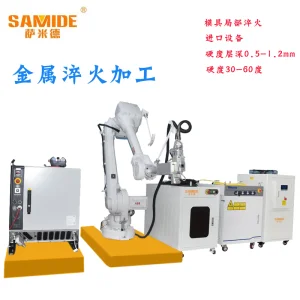
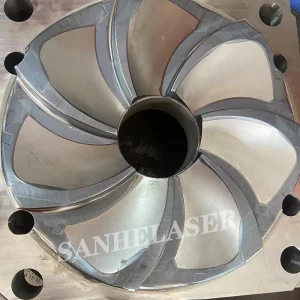
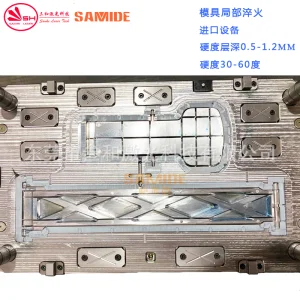
Local Quenching Hardened layer depth is generally 0.3-1mm with precise control.
❓ Frequently Asked Questions
1. What materials are suitable for laser hardening?
The process is most effective for medium to high carbon steel and various types of cast iron used in industrial molds and gears.
2. Will the laser quenching process cause part deformation?
No, due to the fast heating speed and instantaneous local heating, the thermal impact is minimized, ensuring the processed mold or part undergoes very little to no deformation.
3. What is the typical depth of the hardened layer?
The depth of the hardened layer for laser surface quenching typically ranges from 0.3mm to 1mm, depending on the specific material and settings.
4. Is laser hardening environmentally friendly?
Yes, it is a green heat treatment process. It is clean, efficient, and does not require oil or water cooling media, resulting in zero pollution.
5. Can this machine handle complex shapes like grooves?
Yes, thanks to the CNC control and the small divergence angle of the laser beam, the system can perform precise local quenching on grooves and complex geometries.
6. How does the hardness compare to traditional methods?
Laser quenching provides higher hardness than conventional methods, as the microstructure of the quenching layer is finer, offering superior strength and toughness.
 Zico Machine