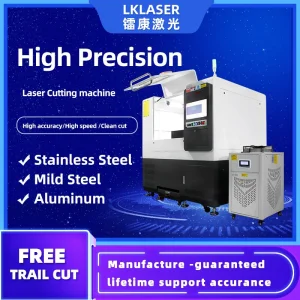
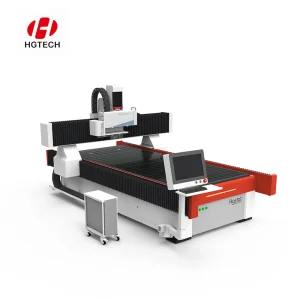
High-performance laser machinery optimized for the demanding mineral processing, structural engineering, and manufacturing landscapes of Namibia.
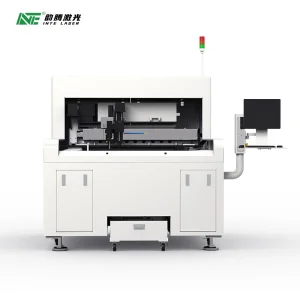
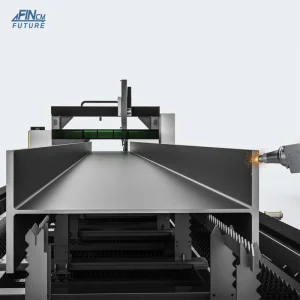
As one of Southern Africa's primary economic frontiers, Namibia is undergoing rapid transformation. Historically centered on mineral extraction, the Namibian Government’s "Growth at Home" industrialization strategy is driving local value addition. By transitioning from exporting raw elements to refining minerals and manufacturing infrastructure domestically, Namibian enterprises require advanced, non-contact precision machinery to scale up capability.
Traditional mechanical drilling methods are no longer sufficient to meet the speed and tight tolerances required in modern structural steel processing, diamond exploration labs, and construction. In this climate of industrial growth, implementing CNC laser drilling and cutting systems offers a quantum leap in production efficiency, drastically reducing waste and operational costs.
High-Value Sectors: Offshore diamond mining, uranium extraction (Husab & Rössing), Walvis Bay port expansion, architectural glass processing in Windhoek, and regional heavy metal fabrication.
Infrastructure Growth: Expanded transport networks, green energy storage projects, and dry ports serving landlocked neighbors require high-volume, reliable steel fabrication tools.
Technological Leap: Rapid adoption of automated, clean energy machinery to circumvent labor shortages and offset high logistical costs of replacement parts.
Laser drilling stands at the pinnacle of high-energy-density beam machining. By employing ultra-focused thermal energy, laser systems melt or vaporize material in microseconds, producing holes ranging from micrometers to several millimeters in diameter. Unlike traditional drilling, there is no mechanical friction, zero tool wear, and a negligible heat-affected zone (HAZ).
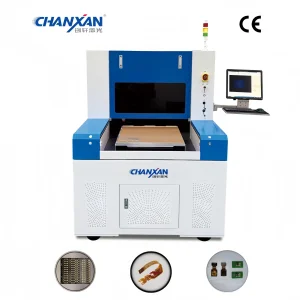
Utilizing fiber optical delivery, our lasers sustain high beam quality over long distances. High-frequency nanosecond pulses guarantee clean edges on delicate substrates like FPC circuits and tempered architectural glass.
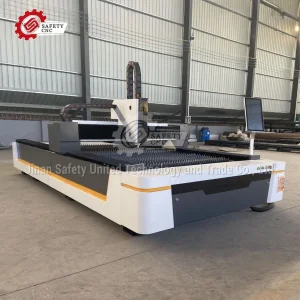
Equipped with smart chiller loops and auxiliary gas injectors (oxygen, nitrogen, or compressed air), our CNC systems maintain thermal equilibrium, protecting structural steel from micro-cracking and deformation.
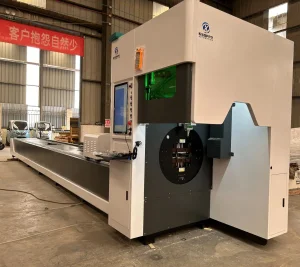
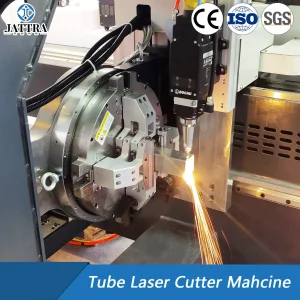
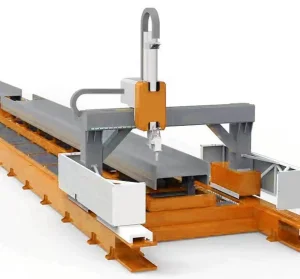
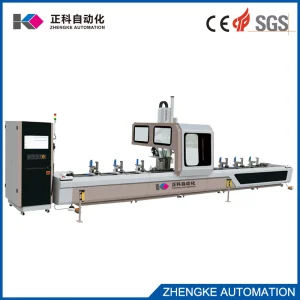
From 3D H-beam profile cutting to automated round and square tube rotary centers, our machines process multi-angle intersections without requiring secondary operations or manual repositioning.
Operating from Shenzhen, the global hub of electronic components and advanced machinery R&D, Shenzhen Zico Machine Co., Ltd. (ZICO) delivers exceptional product quality at highly competitive price points.
ZICO manages every phase of production, from structural welding and precision frame stress relief to high-precision machining, assembly, and testing. This approach ensures that our structural H-beam CNC drilling machines, glass laser processing units, and high-power fiber lasers achieve outstanding reliability and longevity.
By sourcing components from top-tier global partners (including IPG or Maxphotonics laser sources and Raytools focus heads) and pairing them with our optimized mechanical designs, ZICO guarantees performance that meets strict international and European standards (CE and ISO certifications).
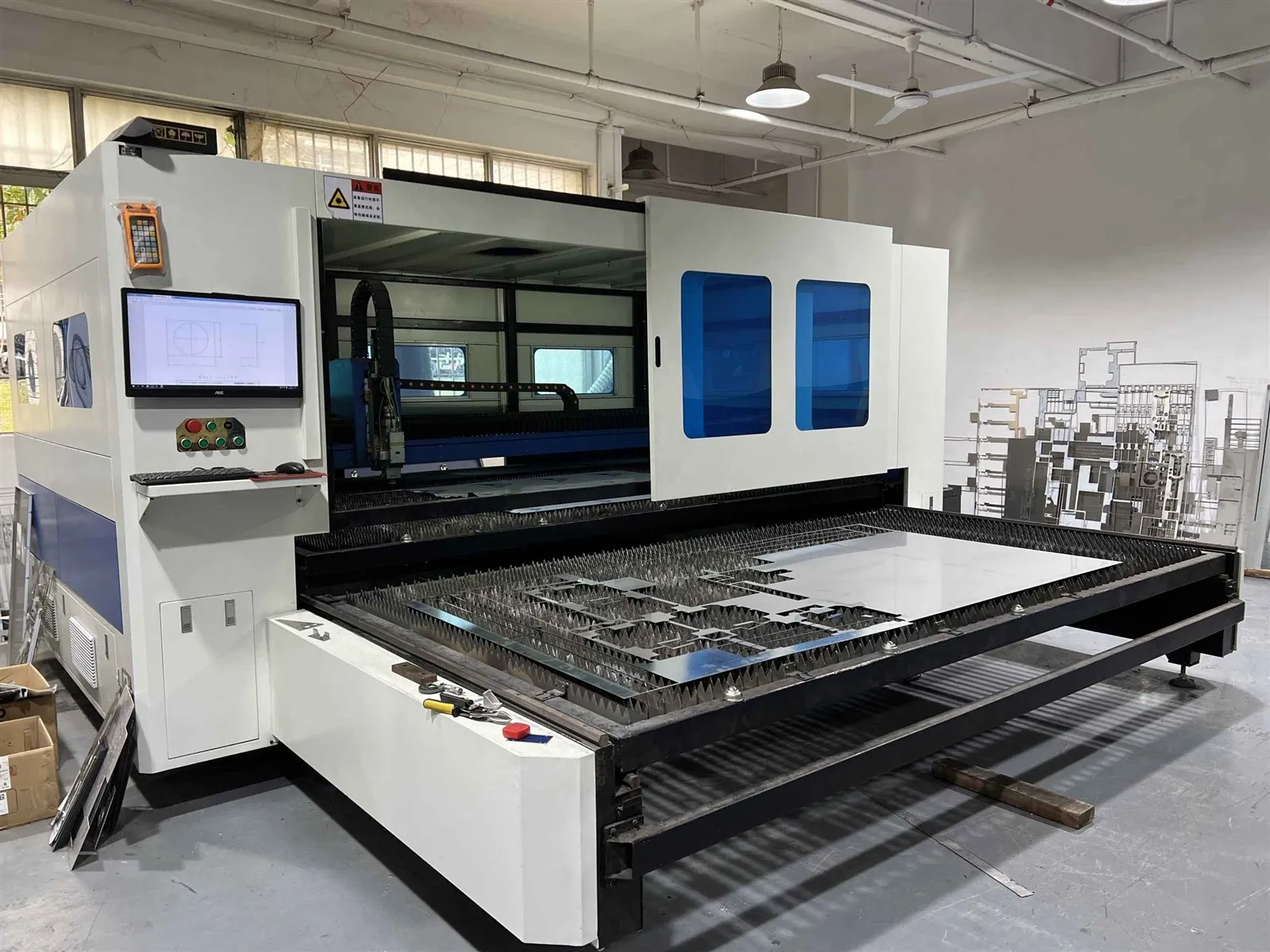
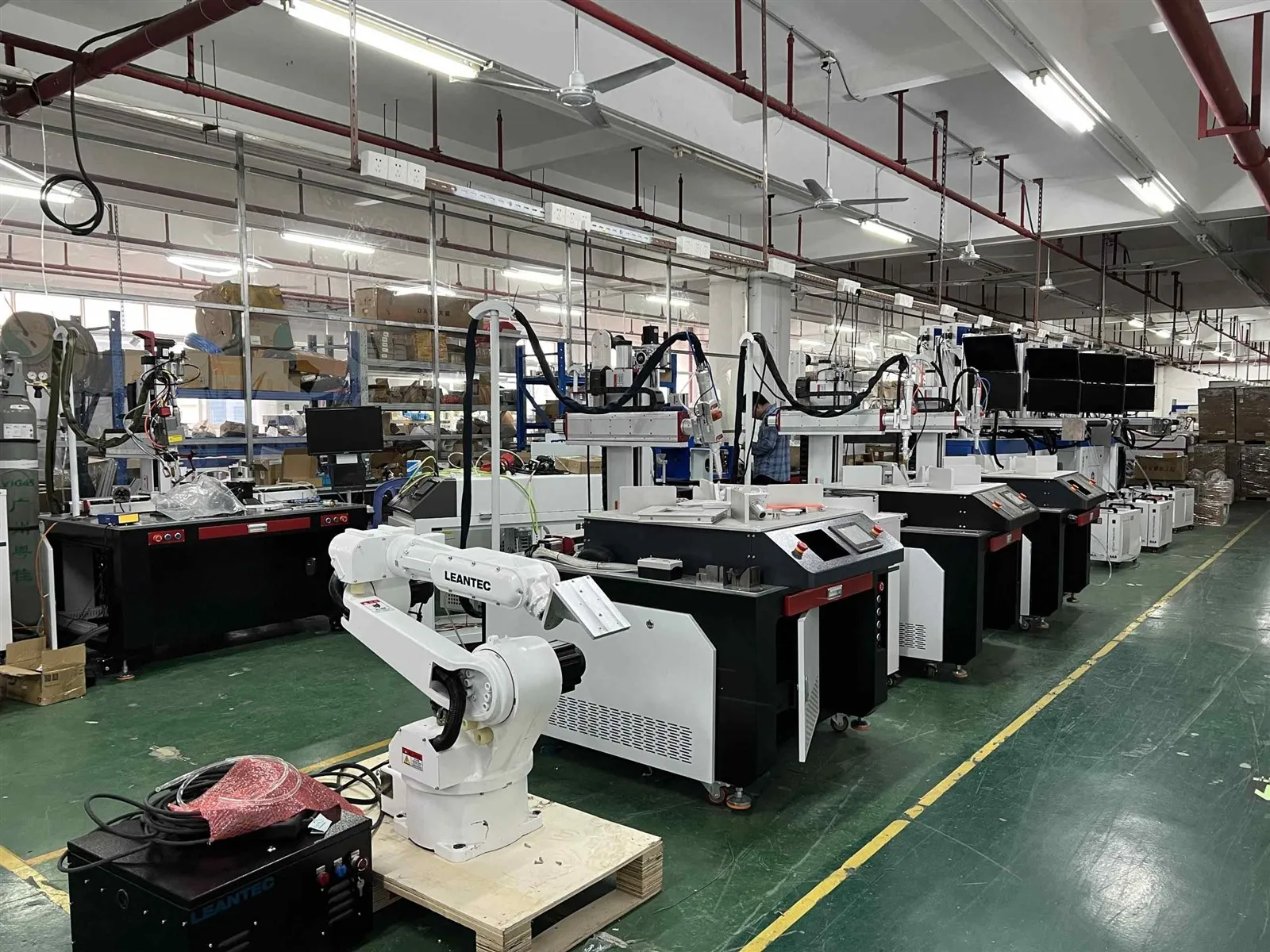
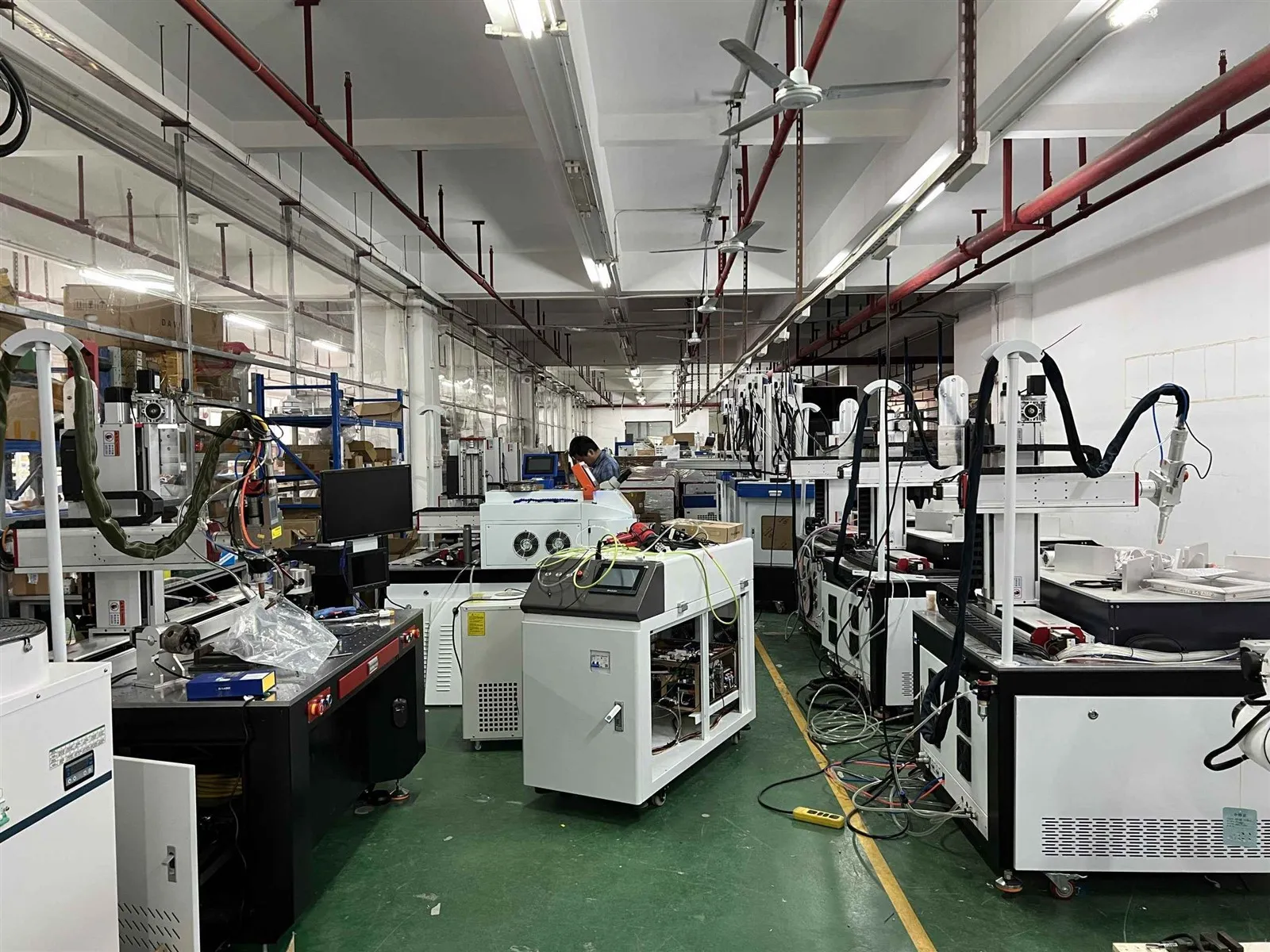
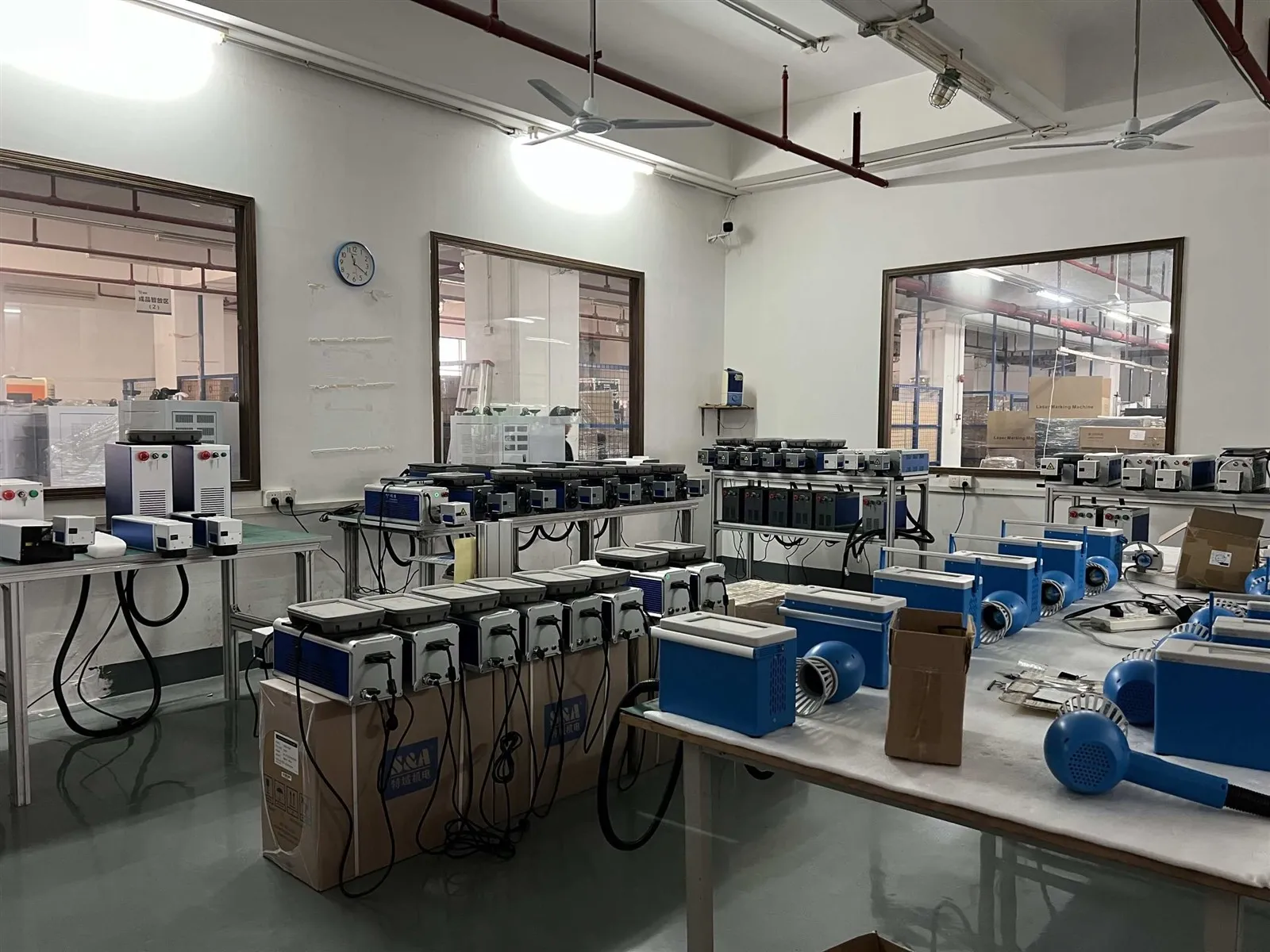
Our focus on craftsmanship at every stage ensures that each machine is built to perform in tough industrial conditions.
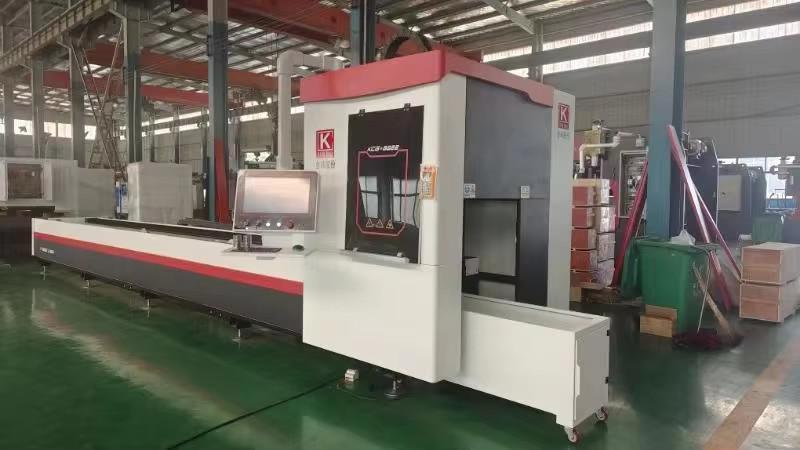
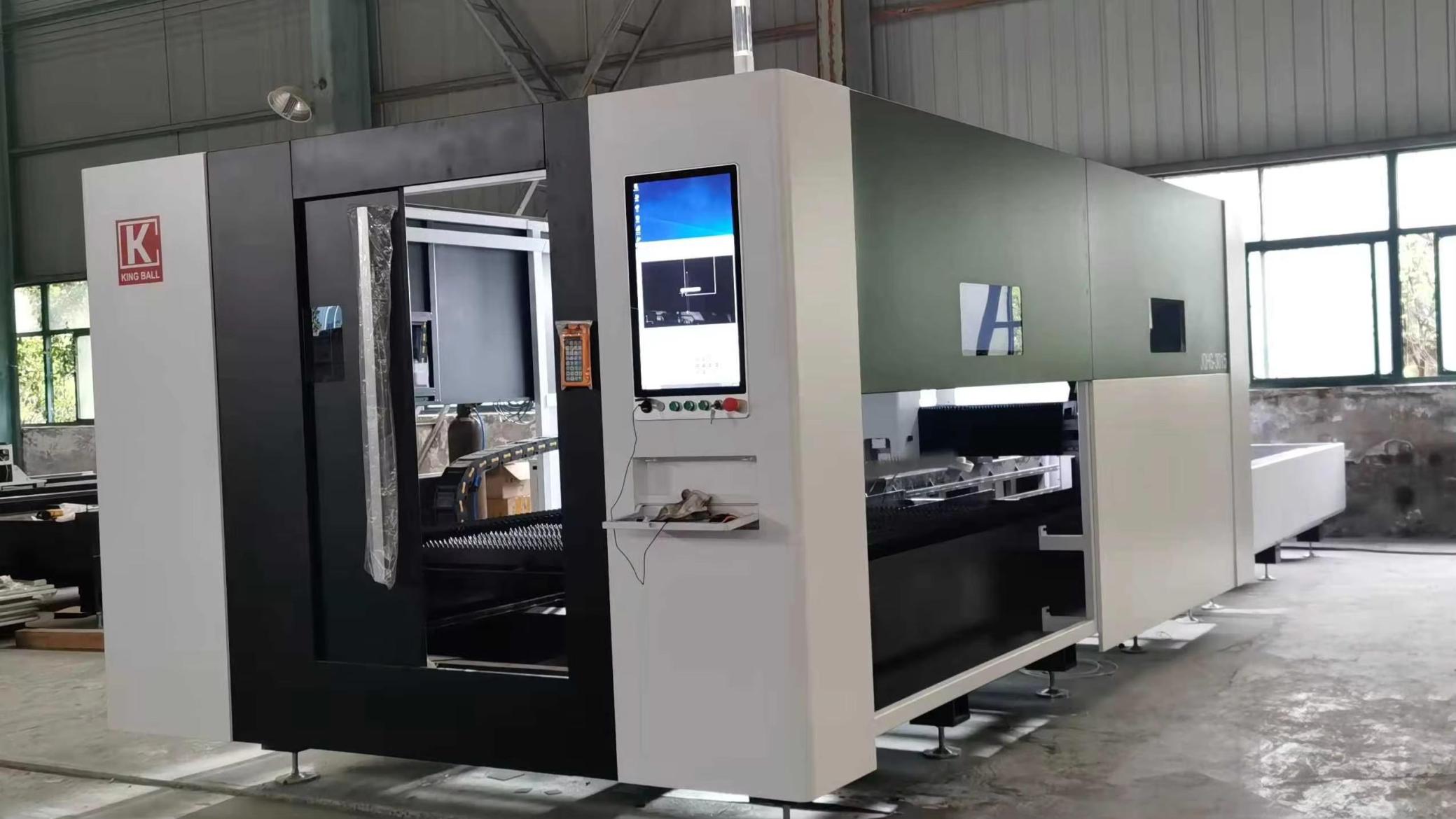
Namibia’s diverse resource sectors demand specialized industrial tools. Universal machinery is not enough; businesses require purpose-built solutions designed for their specific operating conditions.
1. Structural Steel Fabrication & Heavy Infrastructure (Walvis Bay & Windhoek): Large-scale infrastructure projects, airport expansions, and port dry-storage facilities rely on H-beams and tubular steel. Our high-power 3D fiber lasers perform hole drilling, beveling, and marking in a single setup, eliminating multiple handlings.
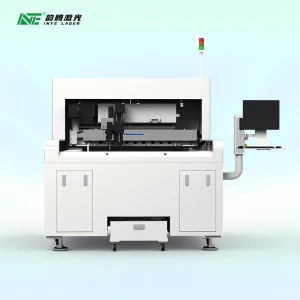
2. Glass Processing, LED Mirror, and Architecture: High-performance architectural facades require durable, precisely drilled safety and double-glazed glass. ZICO’s high-precision glass drilling and sandblasting machines deliver micro-drilling and sandblasting on fragile substrates with zero micro-cracks.
3. Minerals Processing and Core Sampling Operations: Exploration geology and assaying labs in regions like Erongo and Karas rely on high-precision laser marking, slotting, and micro-drilling of mineral materials and custom instrumentation parts.
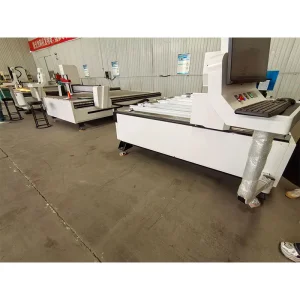
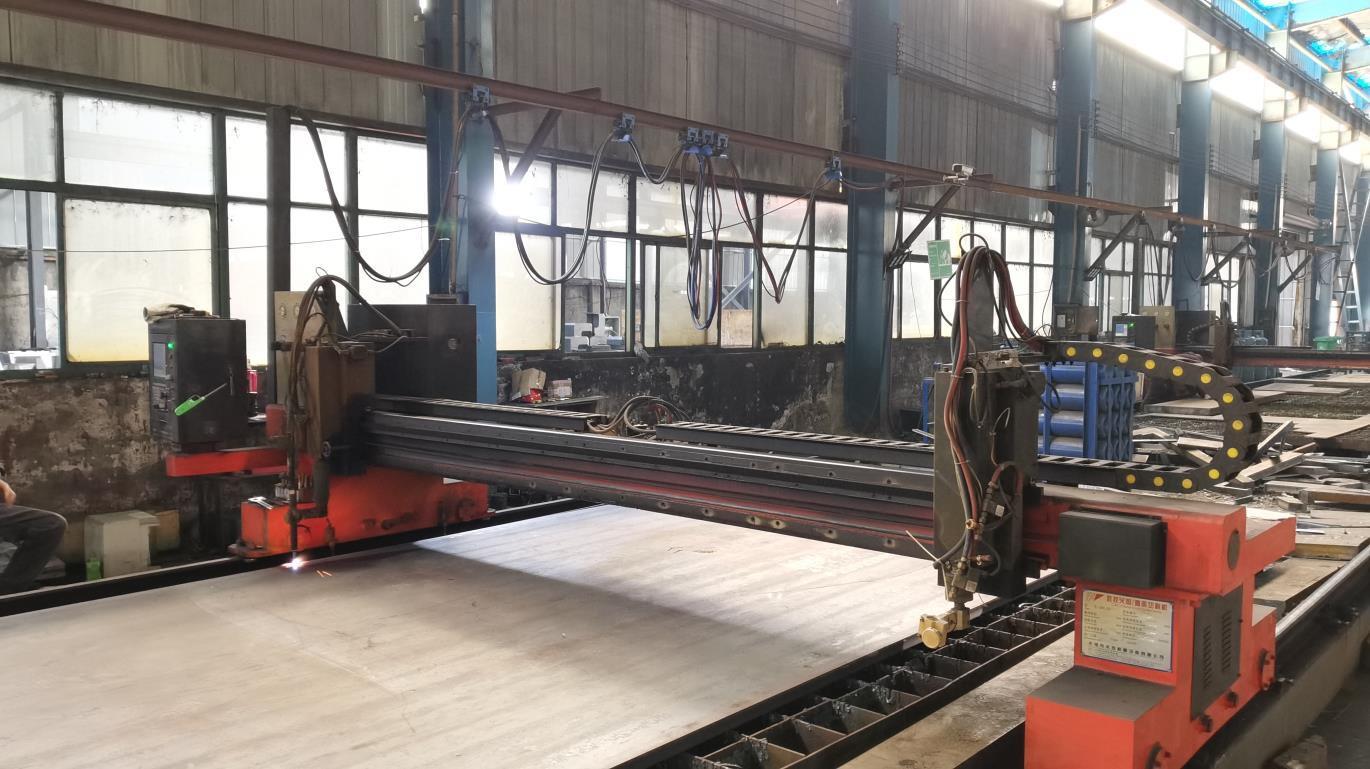
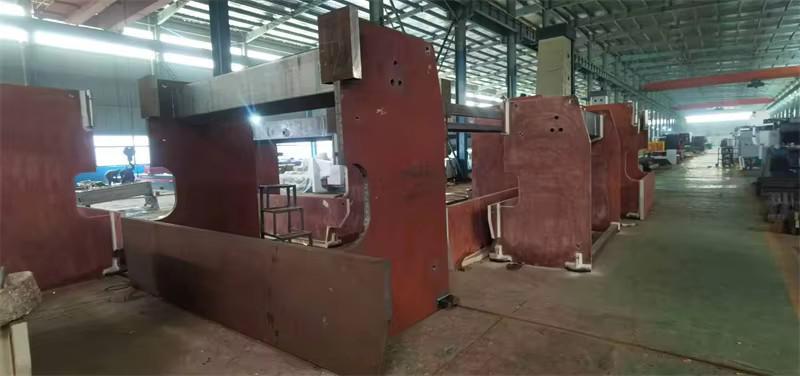
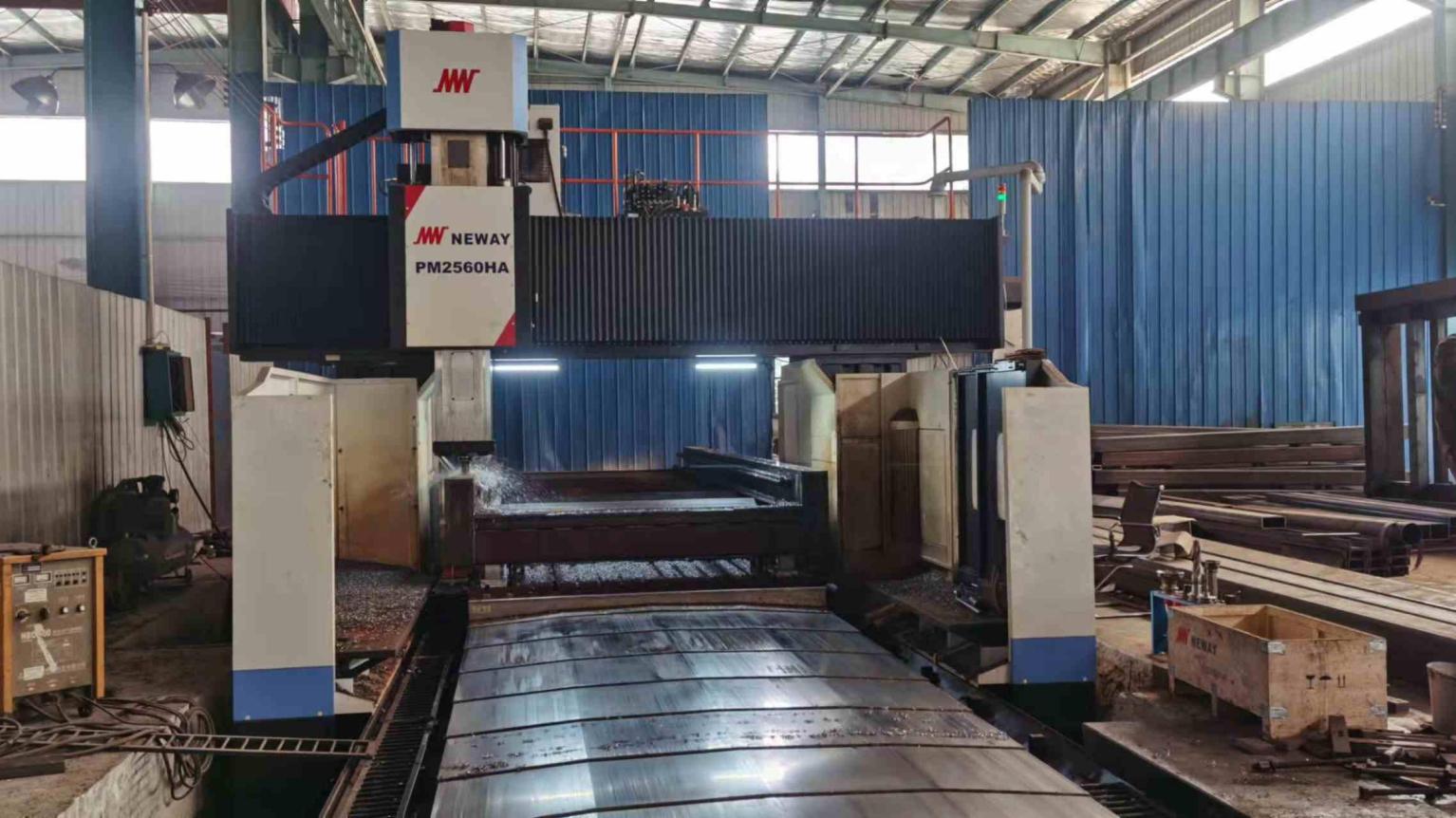
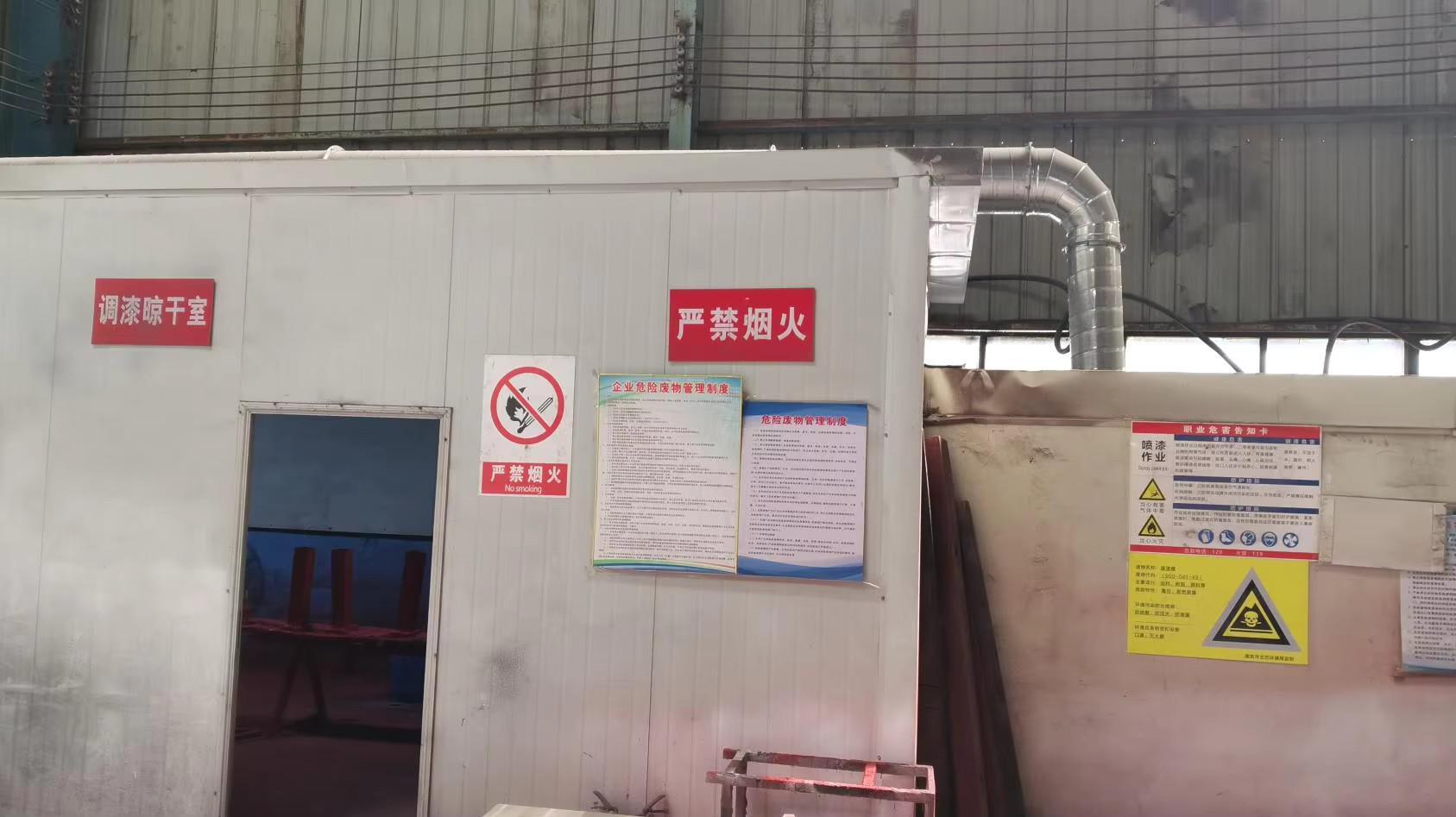
At ZICO, we back our manufacturing processes with a fleet of high-precision heavy machinery. Our facilities ensure that all structural components, weldments, and gantry structures are processed with tight tolerances.
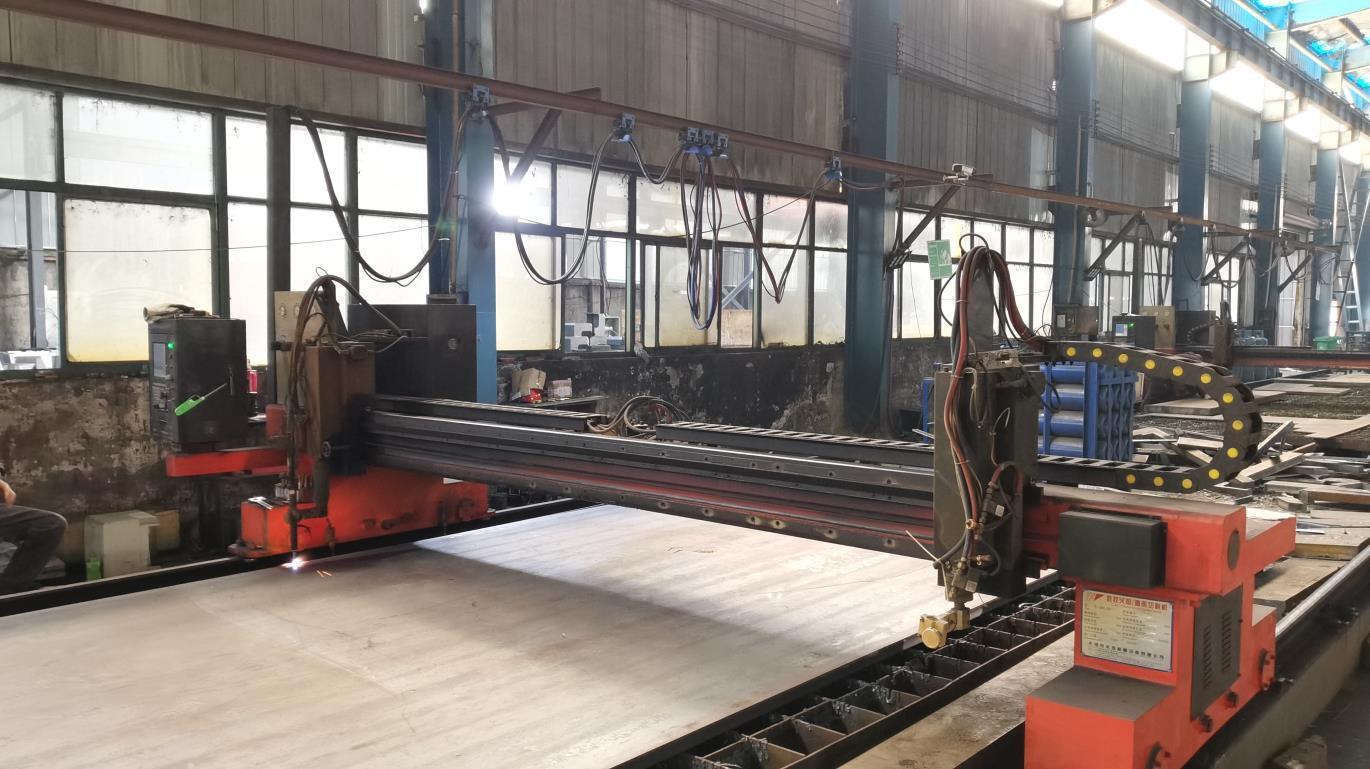
Heavy CNC Cutting
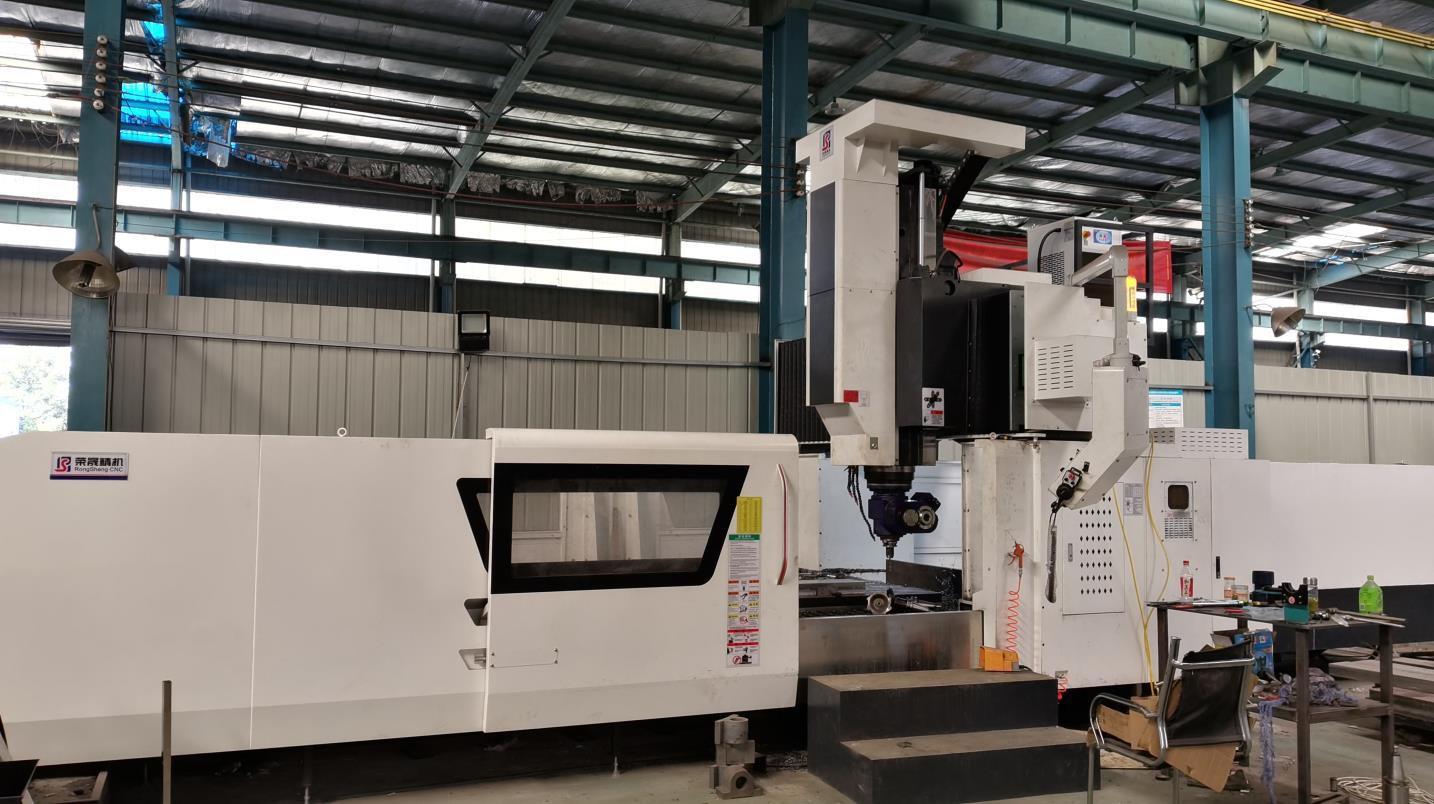
Gantry CNC Milling
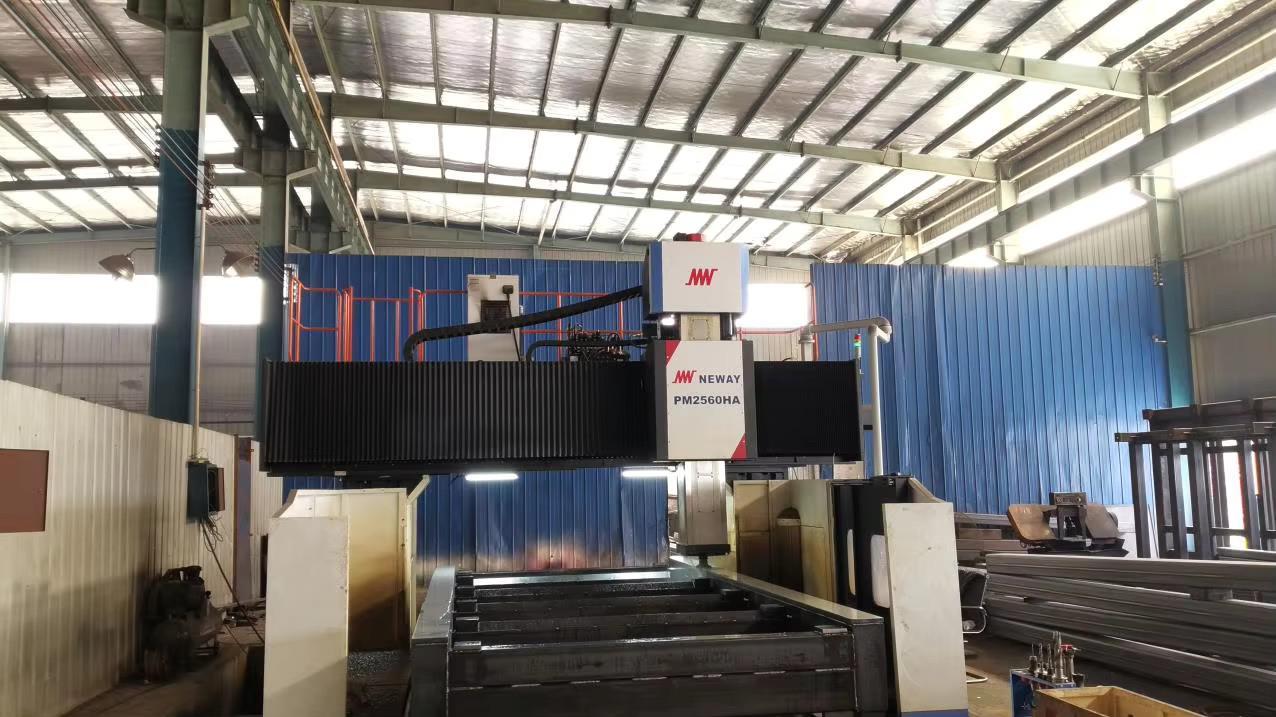
Machining Center
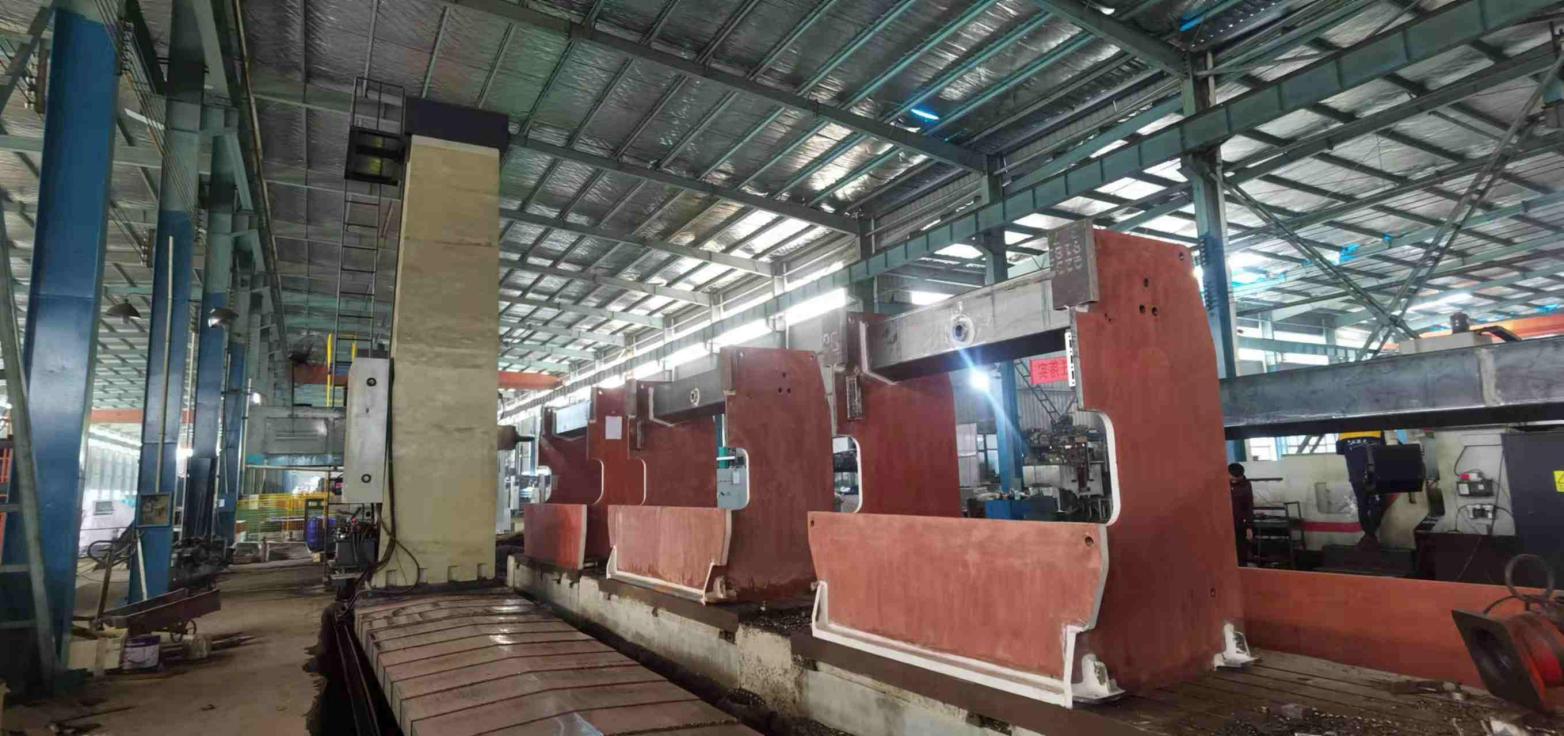
Boring & Milling Setup
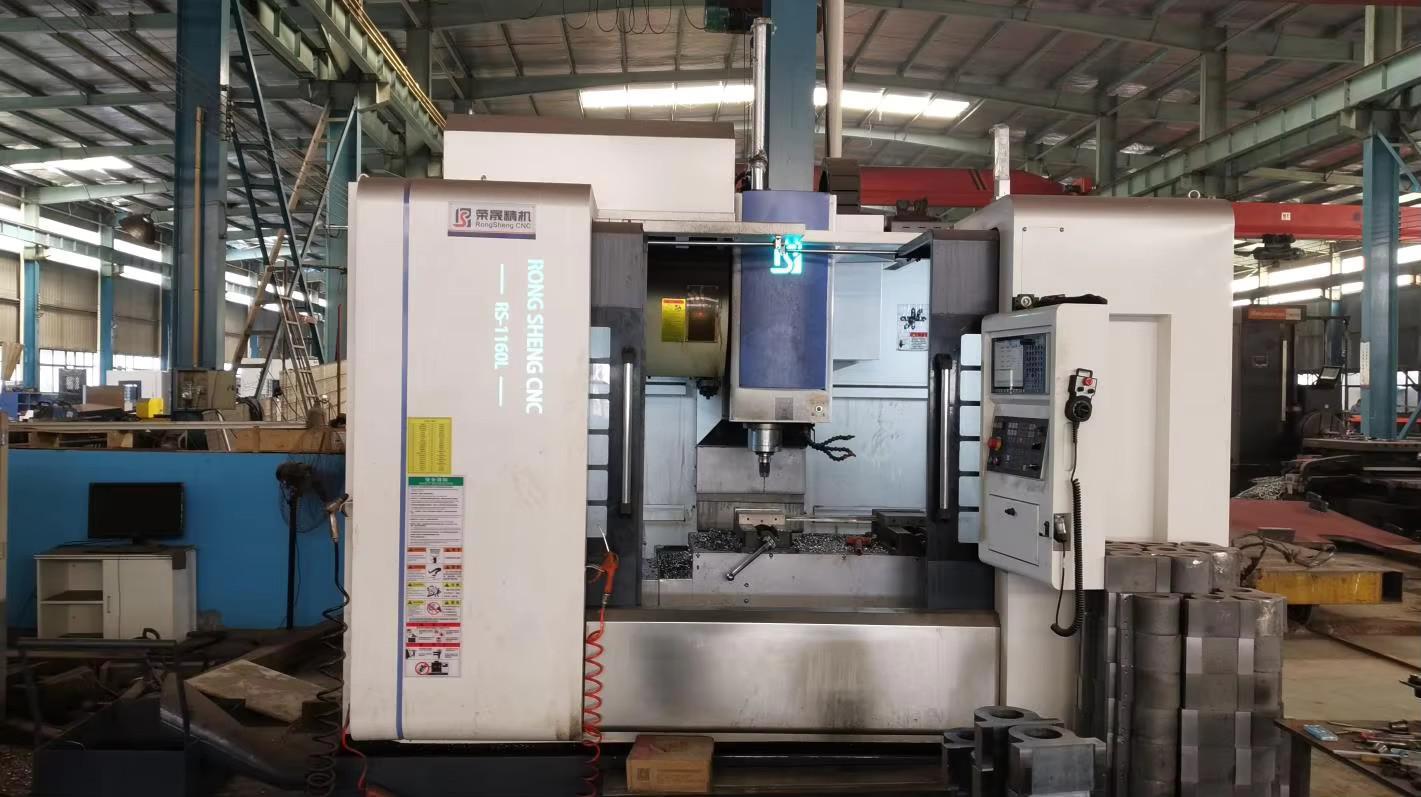
Precision Testing Platform
Namibian industrial zones utilize standard three-phase electricity (380V/400V, 50Hz). Heavy-duty lasers (especially 12kW to 30kW fiber lasers) require stable voltage supplies. ZICO incorporates custom integrated industrial voltage stabilizers and surge protection into all systems exported to the African continent. This safeguard prevents laser diodes from degrading due to power fluctuations.
Furthermore, auxiliary gas supplies must be configured based on application: high-purity nitrogen for oxidation-free cuts in stainless steel, and oxygen for rapid perforation of carbon steel.
Modern metal and glass processing is moving rapidly toward fully integrated automation. The integration of CNC software with cloud-based CAD/CAM systems allows designers in Windhoek or Walvis Bay to send production patterns directly to machines on the factory floor.
Green Laser Machining: Advanced fiber laser resonators feature electrical-to-optical conversion efficiencies exceeding 35%, compared to less than 10% for older CO2 systems. This reduction in power demand aligns with Namibia's sustainable development goals while lowering overall operating expenses.
Key information for engineers, procurement officers, and plant managers considering laser drilling technology in Namibia.
Laser drilling is a non-contact thermal process. It eliminates tool wear, drill bit breakage, and mechanical stress on the material. It allows for high processing speeds and precise micro-holes with minimal heat-affected zones, reducing the need for secondary finishing.
All machines exported to Namibia are designed with robust electrical isolation and can be configured with external industrial voltage stabilizers and isolation transformers. This protects the CNC controllers, servo drives, and laser generators from voltage drops or surges.
Depending on the laser source configuration (e.g., 12kW, 20kW, or 30kW), our systems can cut and drill structural carbon steels up to 50mm thick and stainless steels up to 40mm thick, meeting the requirements of heavy mining and infrastructure projects.
We provide remote diagnostic support, step-by-step setup guides, and online technician training. For large-scale installations, we can arrange for field engineers to assist with commission, alignment, and staff training directly at your facility in Namibia.
UV lasers use shorter wavelengths (typically 355nm) for "cold processing," which minimizes thermal damage to delicate electronics components. High-power fiber lasers operate at longer wavelengths (typically 1064nm) and are optimized for thermal cutting and drilling of thick metals.
High-performance machinery designed for glass fabrication, structural metal processing, and high-precision electronics manufacturing.
Contact our technical sales team for custom parameters, site planning advice, and formal cost estimates delivered directly to your inbox.
Send Inquiry Now Zico Machine