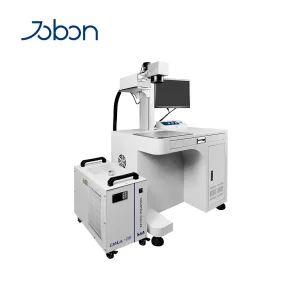
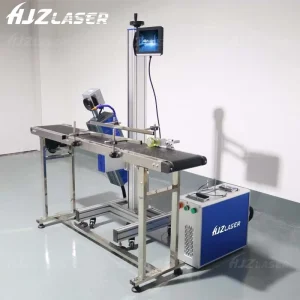
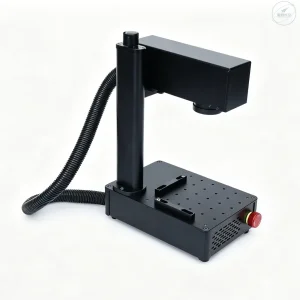
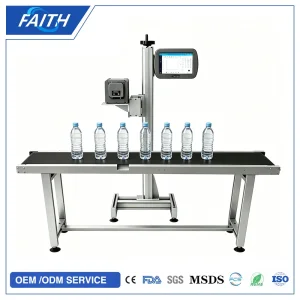
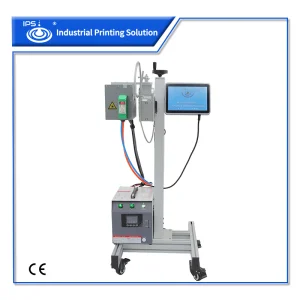
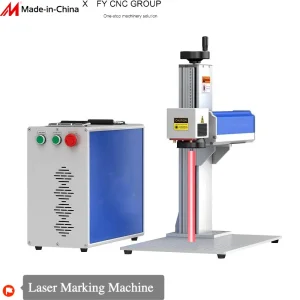
TTO UV Laser Coder Machine 5W & 10W
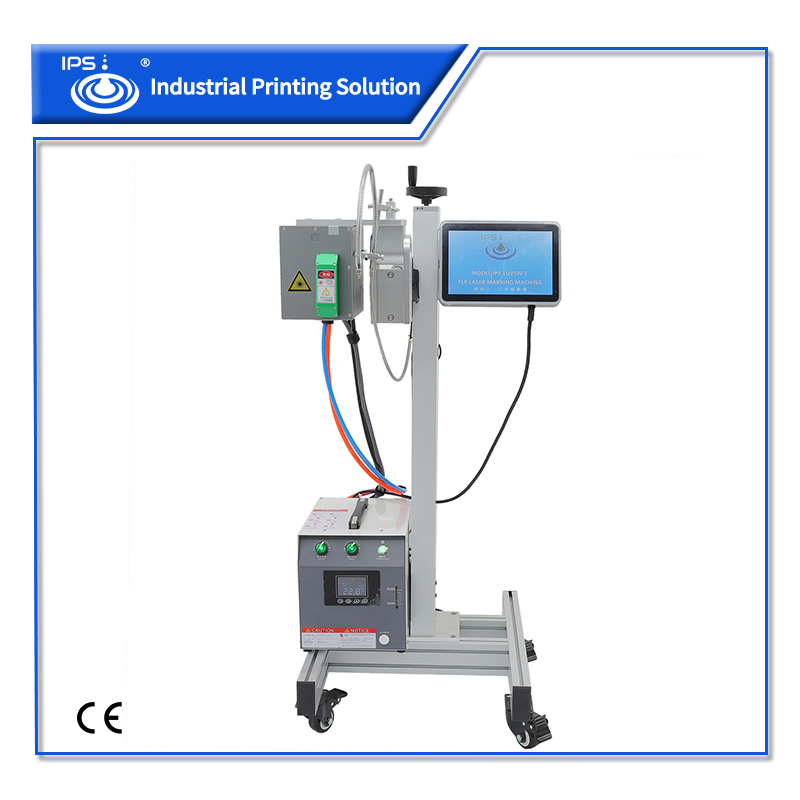
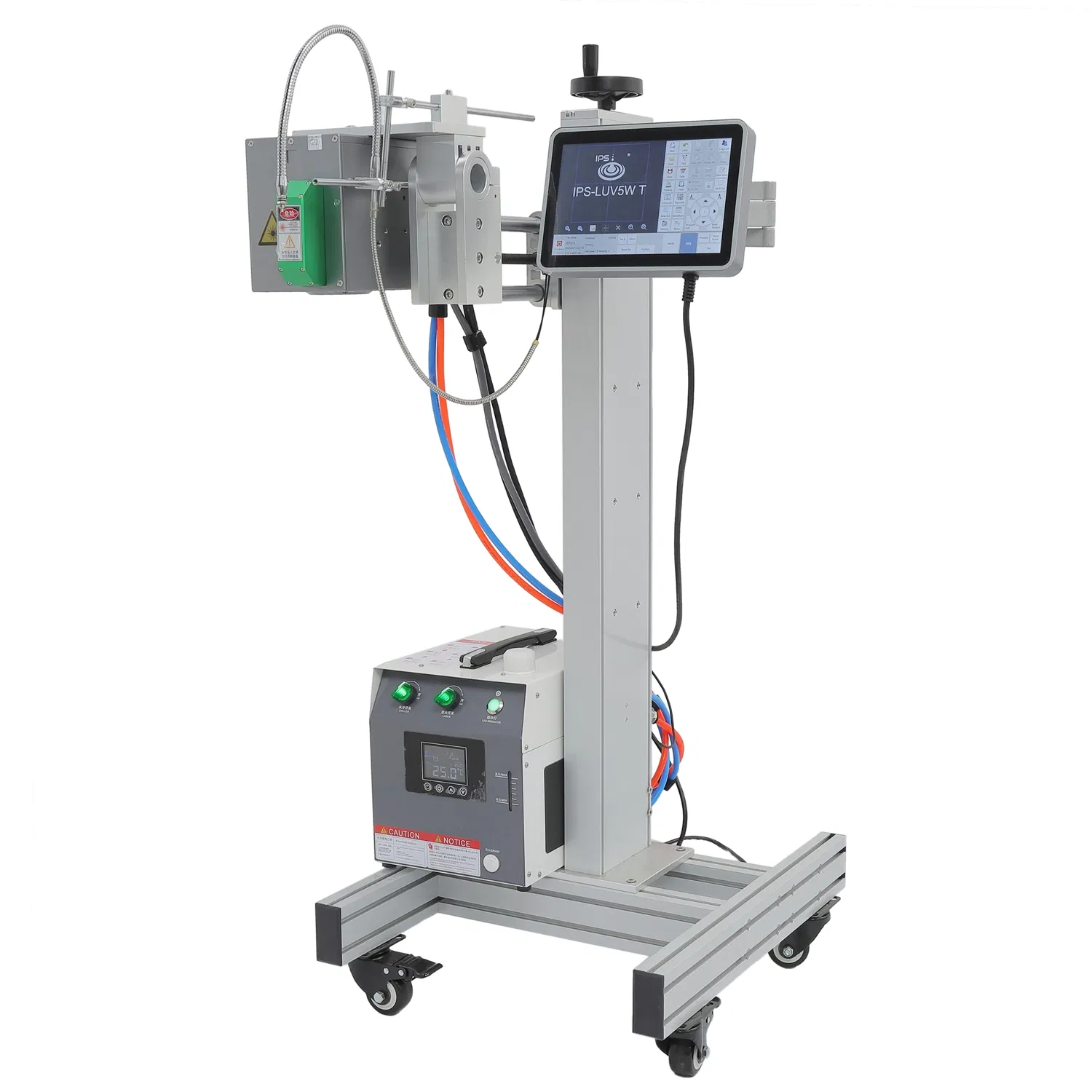
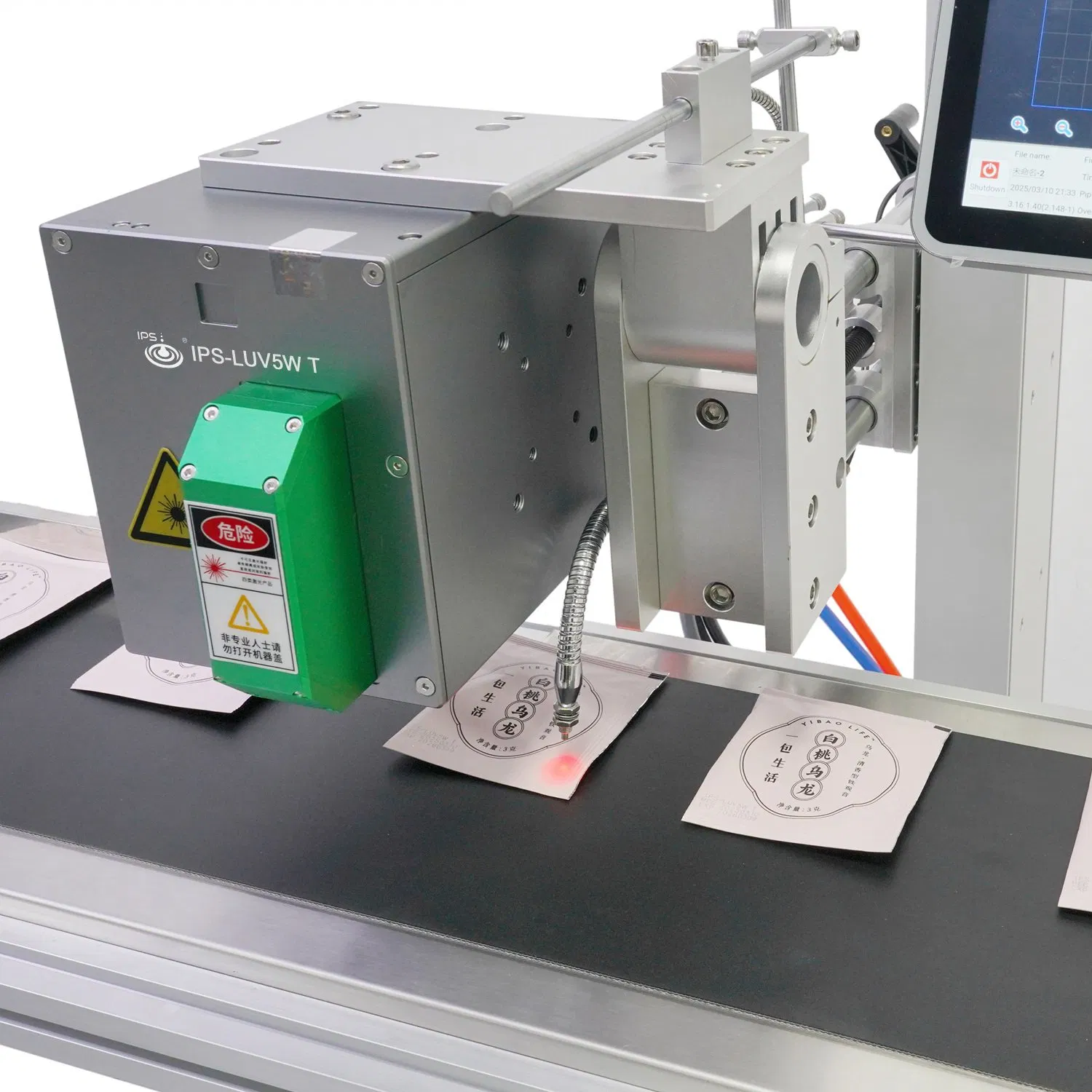
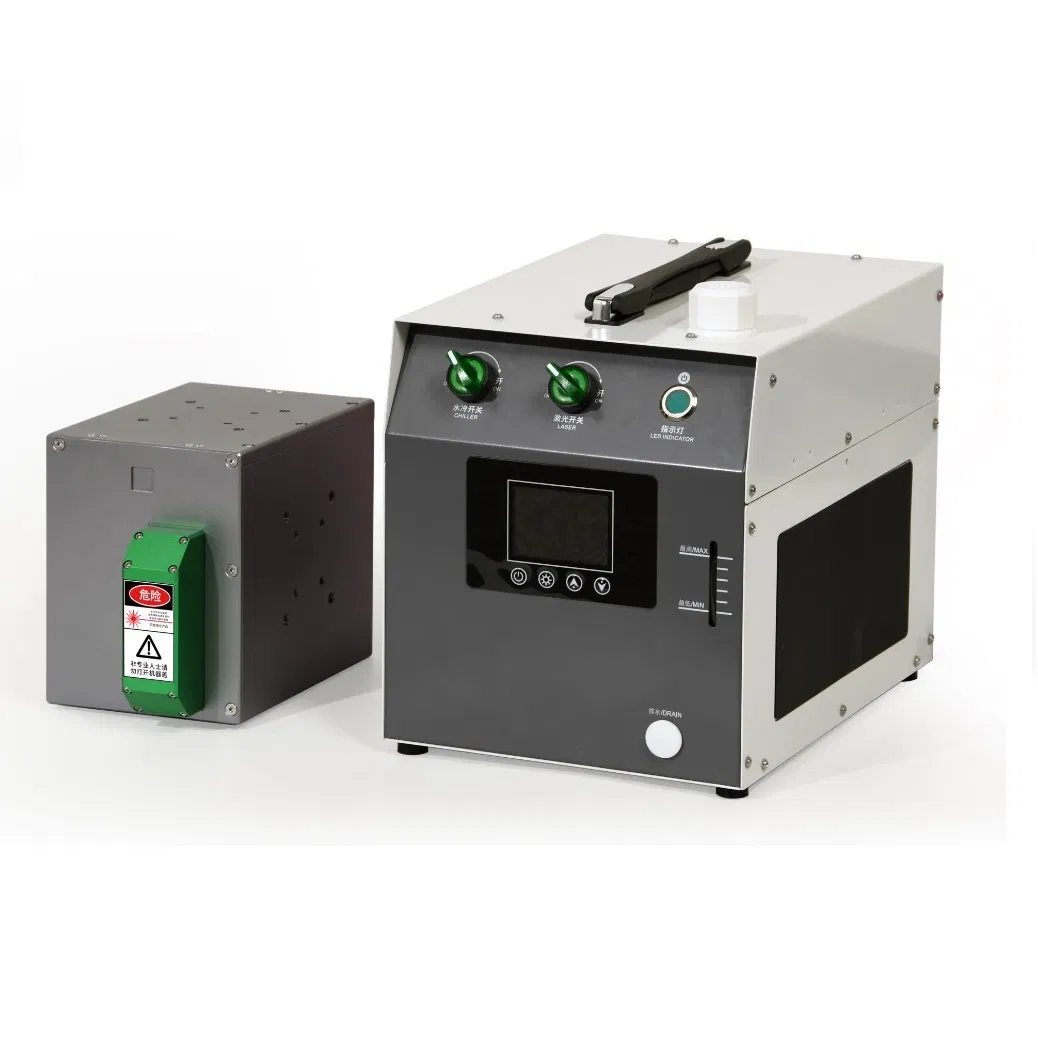
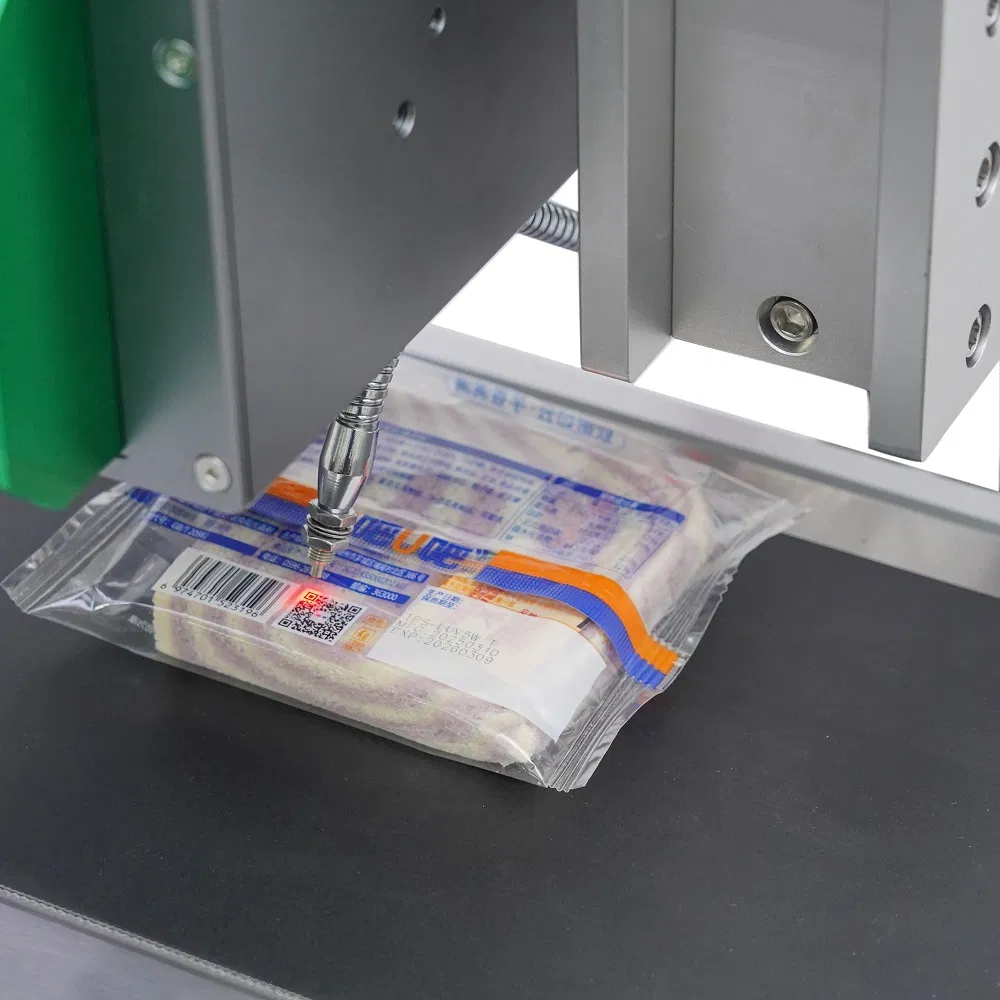
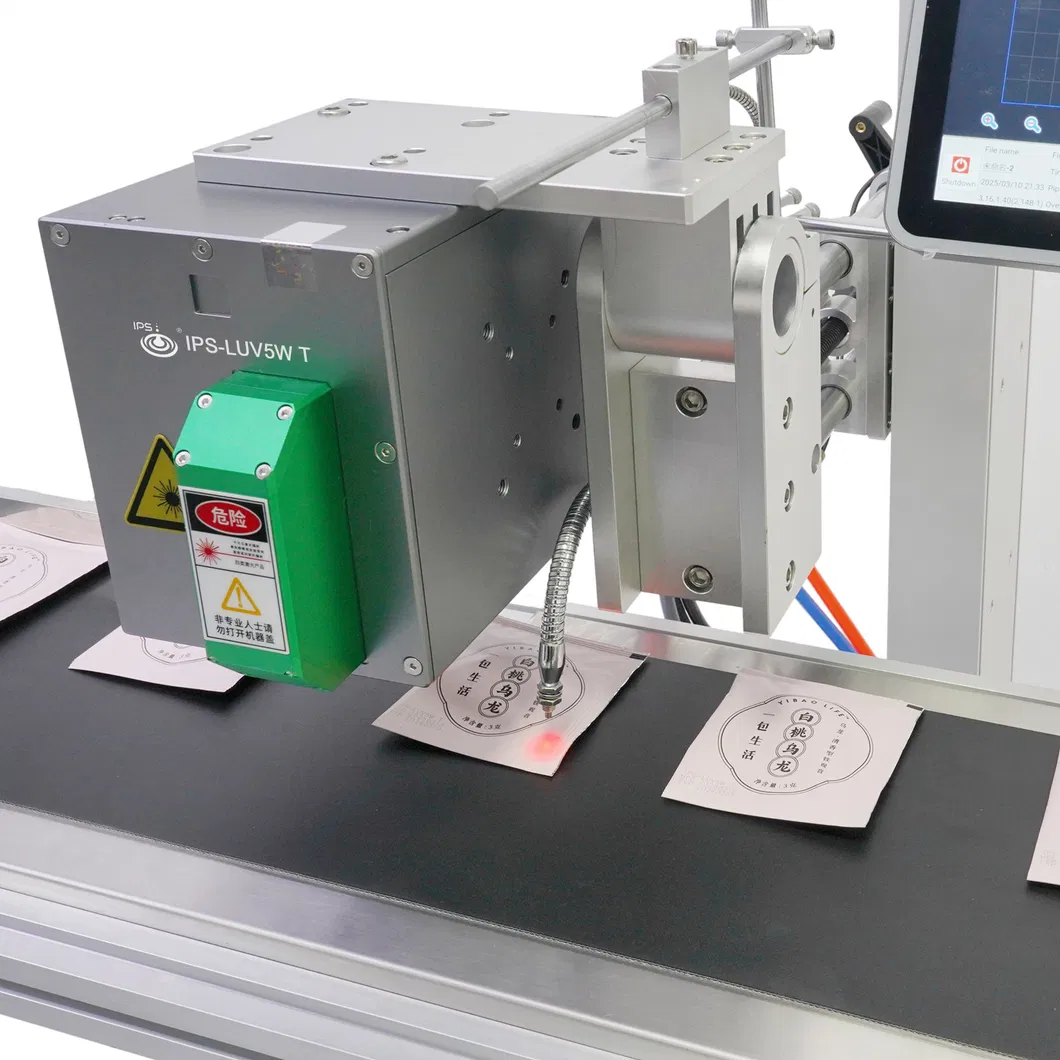
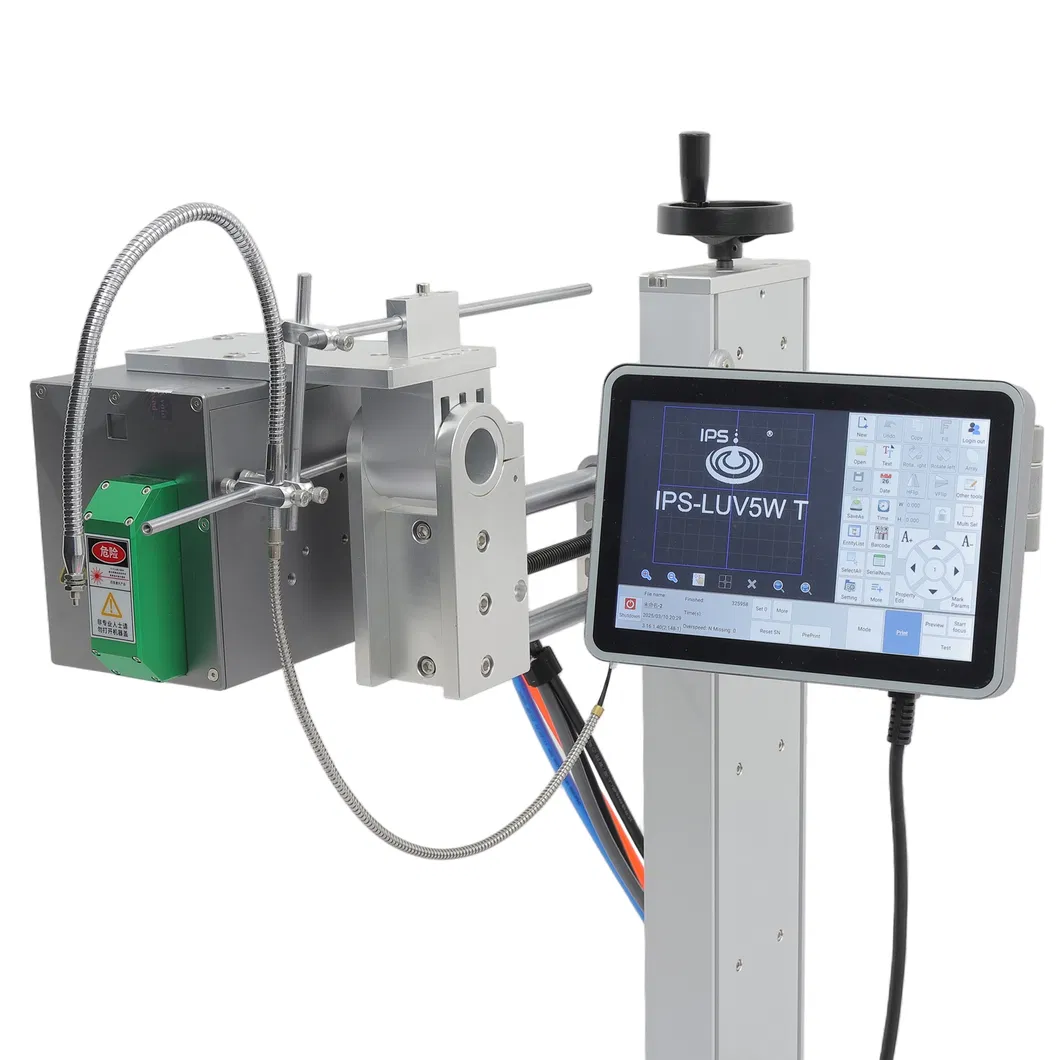
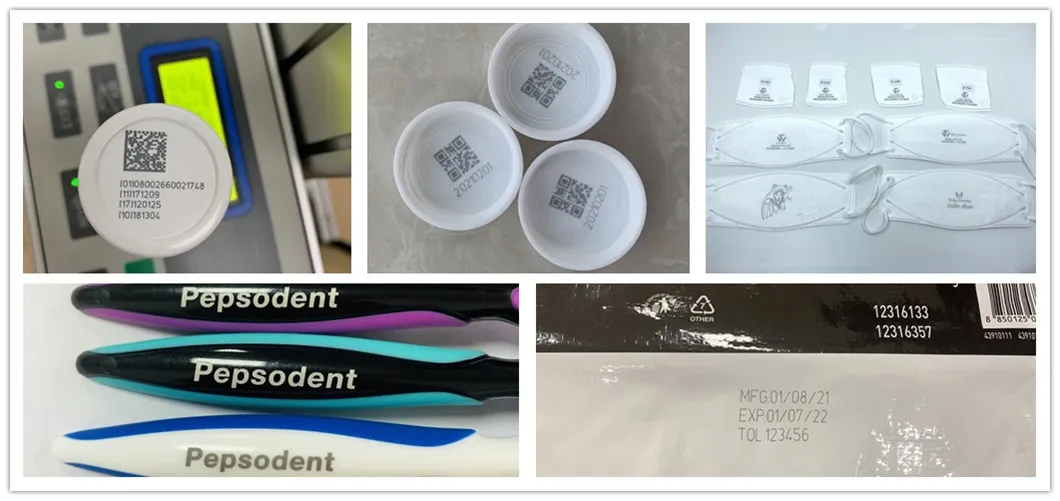
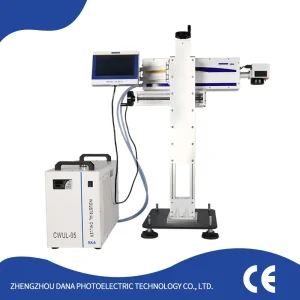
The IPS-LUV5W T laser coding system designed as a replacement for thermal transfer overprinters (TTO). It offers clear, permanent marking on packaging films without using ink or ribbons. Unlike traditional TTO printers, it marks through the surface into the next layer with minimal heat, ensuring no damage to the material. With mark speed up to 12000mm/s, it can print more complex content and patterns in the same time.
☘️
Eco-Friendly & Cost-Saving
No consumables like ink or ribbons, reducing waste and production costs.
✨
High-Quality Marking
Crisp, durable codes that won't fade or peel.
⚙️
Easy Integration
Compact design fits seamlessly into various packaging machines.
Eliminates the downtime required to replace ink ribbons and clean heads with conventional thermal TTO printers.
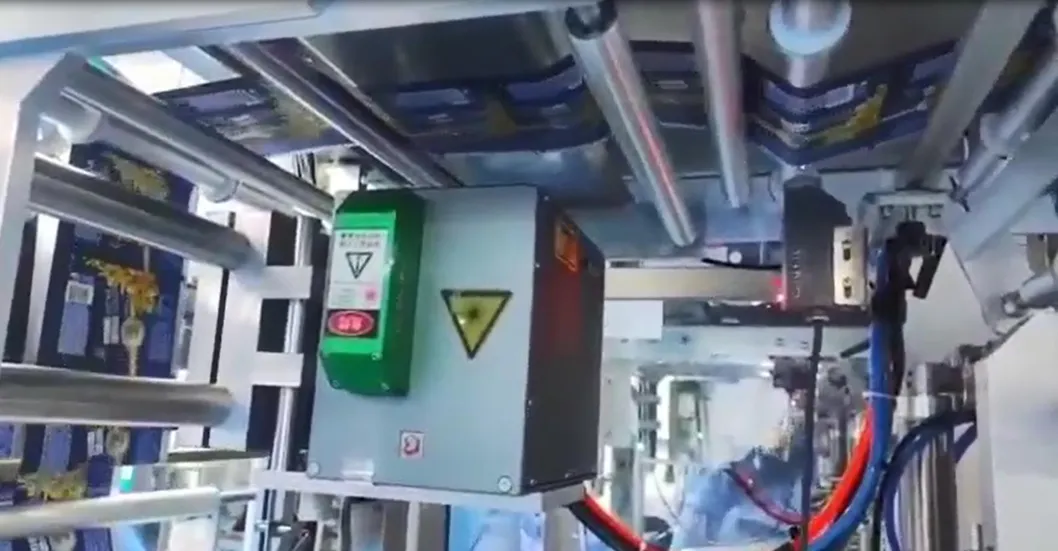
The laser heads are designed to be compact for easy installation in place of existing thermal printers, which can be attached to a variety of packaging machines including horizontal pillow-type packaging machines, vertical pillow-type packaging machines, bag feeding machines, and stick packaging machines.
Parameter Table
| MODEL | IPS-LUV5W T |
| Complete machine material | Anodized aluminum oxide structure + spraying |
| Laser type | UV |
| Output power | 5W |
| Laser wave length | 355nm |
| Print way | High-precision dual-dimensional scanning mode |
| Scaling speed | ≤12000mm/s |
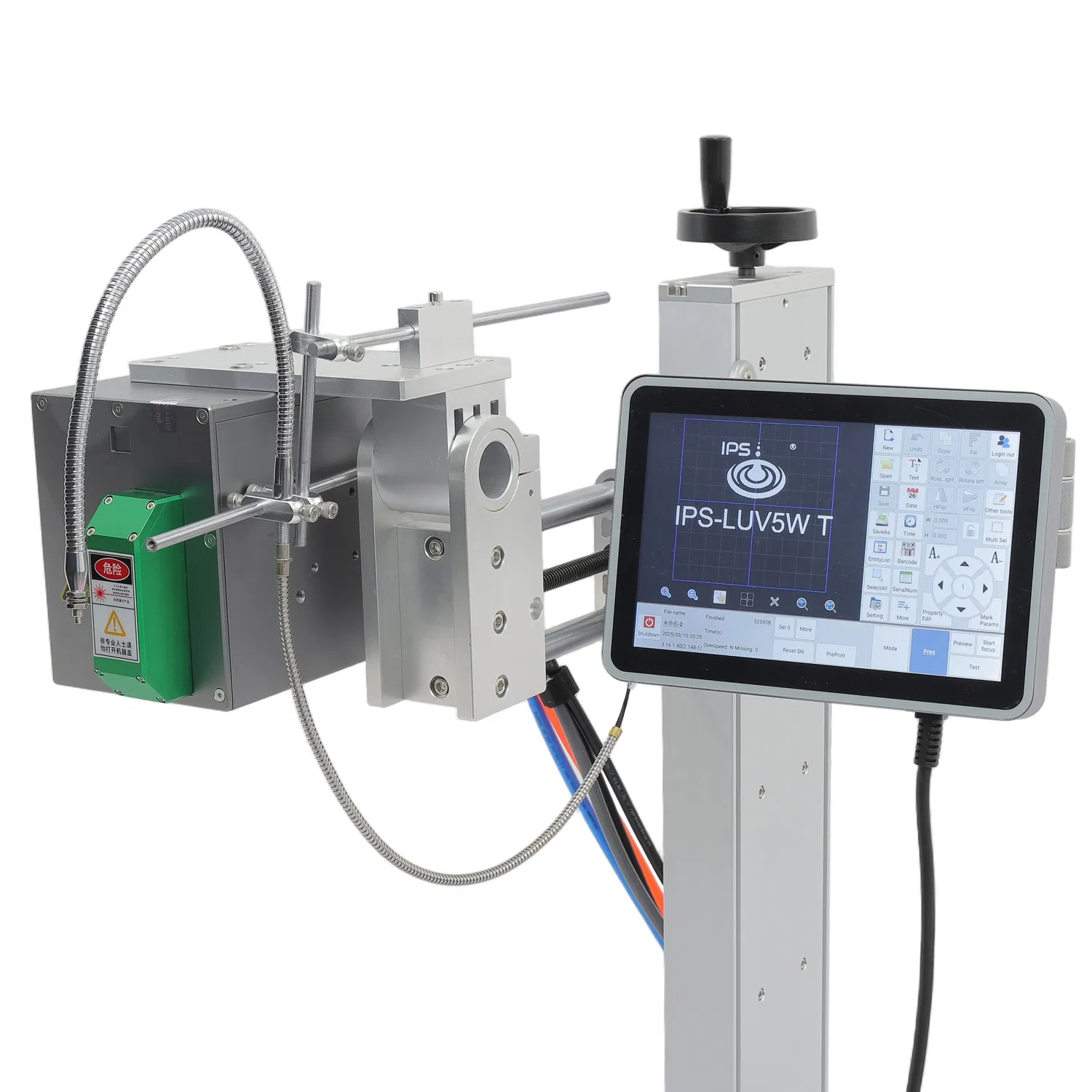
| Master control | 10.1-inch external controller |
| Operating system | Linux system |
| Coolant passage | Hydrocooling |
| Type of marking line | Dmatrix and vector all-in-one |
| Scope of marking | Standard: 100mm x 100mm |
| Production line speed | 0~250m / min |
| File format | BMP/DXF/HPGL/JPEG/PLT |
| Power consumption | ≤750W |
Cold Laser Technology
UV laser marking is a kind of cold laser technology. The High-energy molecules of ultraviolet photons can directly separate molecules from metal or non-metallic materials. This separation does not produce any heat, making it very different from traditional fiber and carbon dioxide laser marking machines.
Comparison & Advantages
- Precision: The wavelength of UV laser is only 355 nm. A shorter wavelength results in a smaller and more precise laser beam with a minimal heat-affected zone.
- Chemical Reaction: While CO2 and fiber lasers use physical marking (surface heat), UV laser uses photochemical reaction to process deep inside the material.
- Specialized Materials: Particularly suitable for high-end markets needing ultra-fine processing, such as cosmetics and pharmaceutical packaging.
Industry Applications
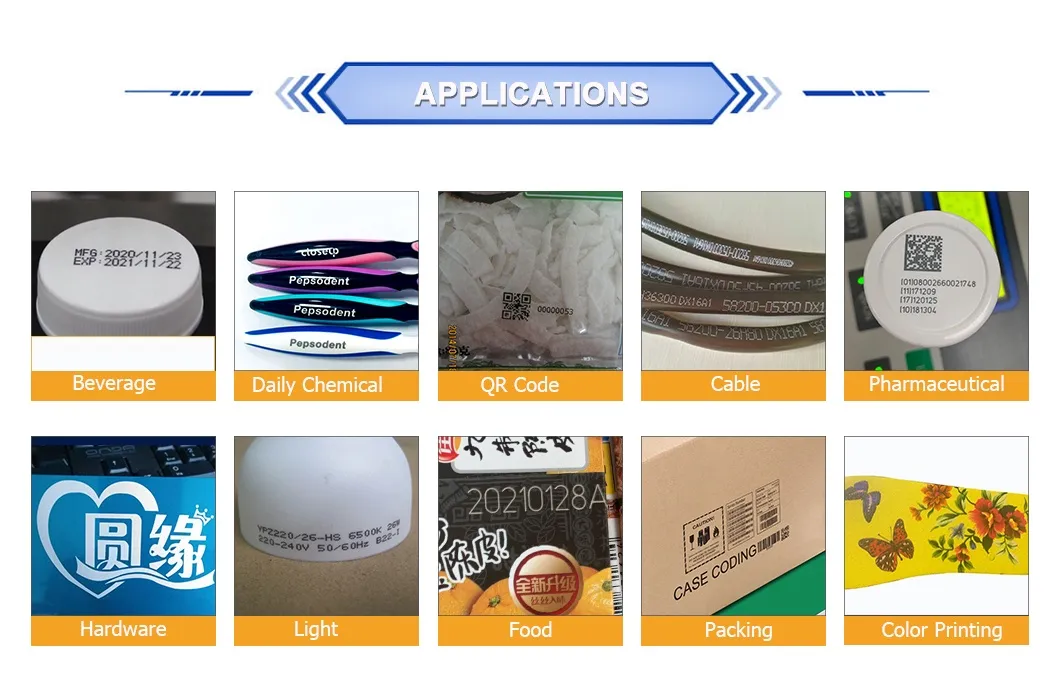
Cosmetics, mobile phones, pharmaceuticals, food packaging, metal, glass, plastic, polymer materials, construction materials, special ABS material, flexible PCB boards, plastic buttons, silicon wafer micropores, electronic component, communications equipment, LCD glass.
Frequently Asked Questions
Q1: How is UV laser coding different from traditional TTO?
Unlike traditional Thermal Transfer Overprinters, UV laser requires no ribbons or ink. It uses cold laser technology to create permanent marks without physical contact or consumables.
Q2: Will the UV laser damage my thin packaging film?
No. UV laser is a "cold laser" technology. It breaks molecular bonds with minimal heat, ensuring that even sensitive or thin films are marked clearly without burning or deformation.
Q3: What are the main maintenance requirements?
Maintenance is extremely low because there are no print heads to clean and no mechanical parts like ribbon drives to wear out. The system is designed for high-uptime industrial environments.
Q4: Can this machine be integrated into my existing production line?
Yes. The compact design of the laser head is specifically intended to replace existing TTO units on horizontal and vertical pillow-type packaging machines and bag feeding systems.
Q5: Is the marking permanent?
Yes, the marking is achieved through a chemical change in the material, making it resistant to fading, peeling, or removal by alcohol and solvents, unlike traditional ink.
 Zico Machine