💡
What is Laser Cladding?
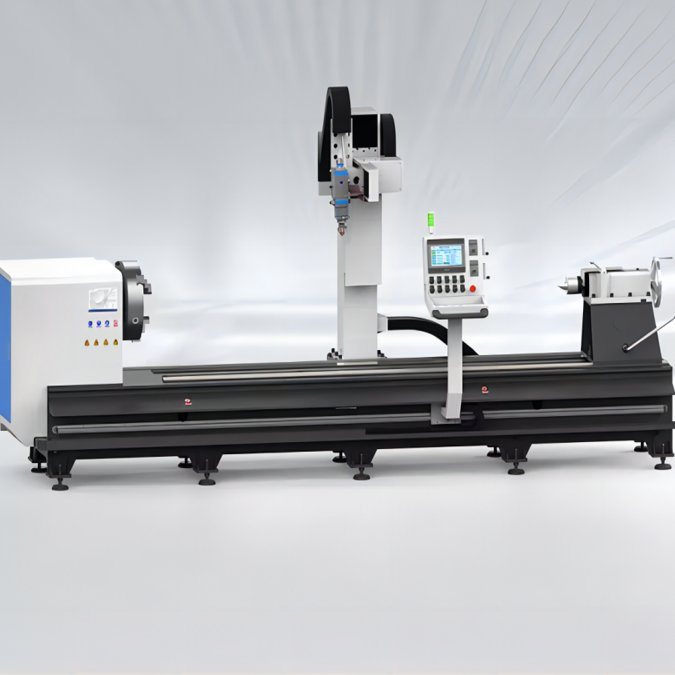
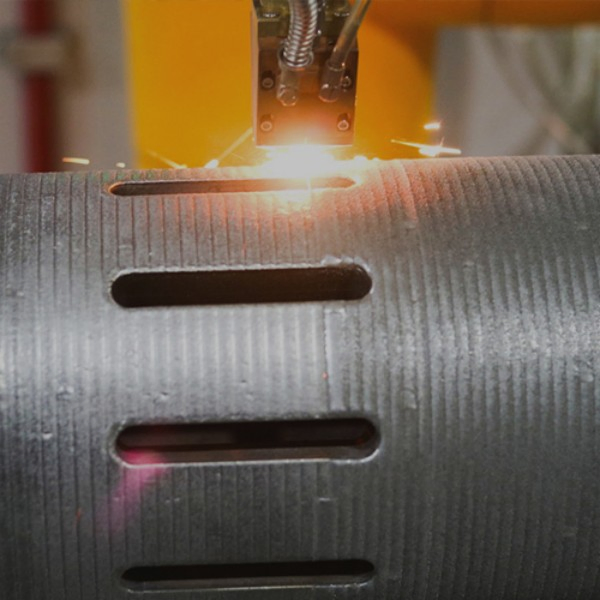
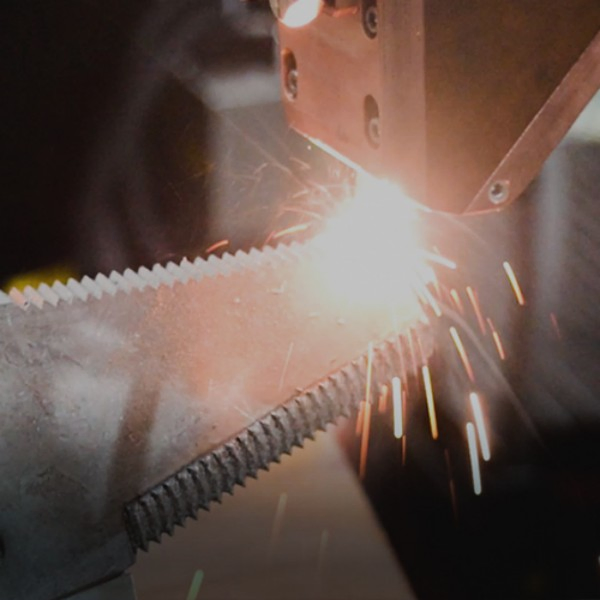
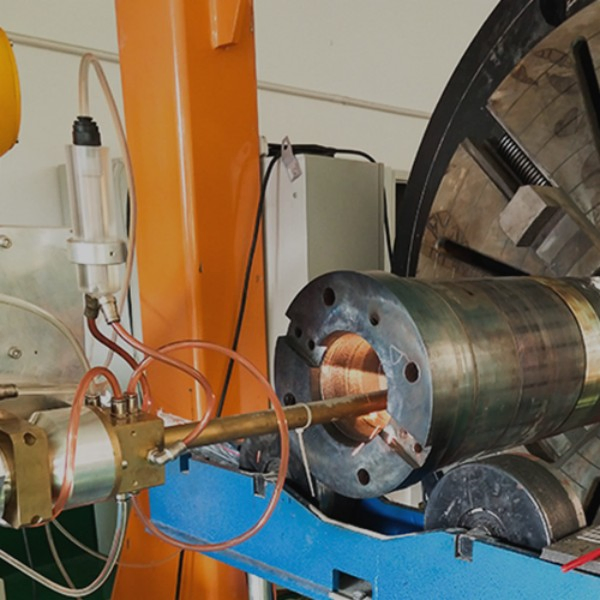
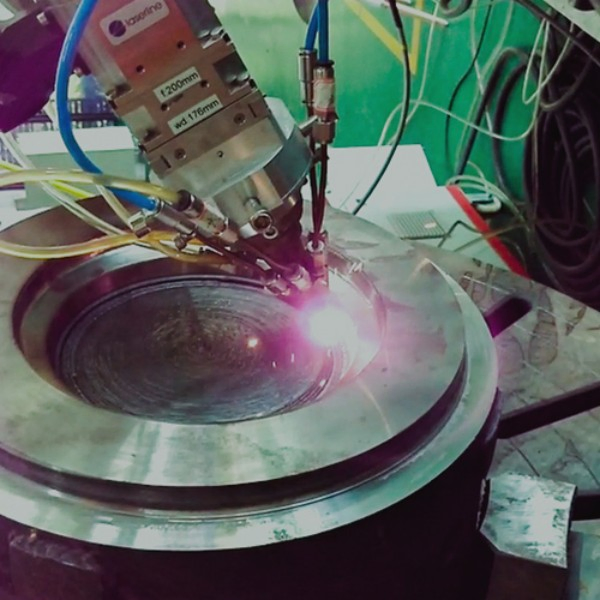
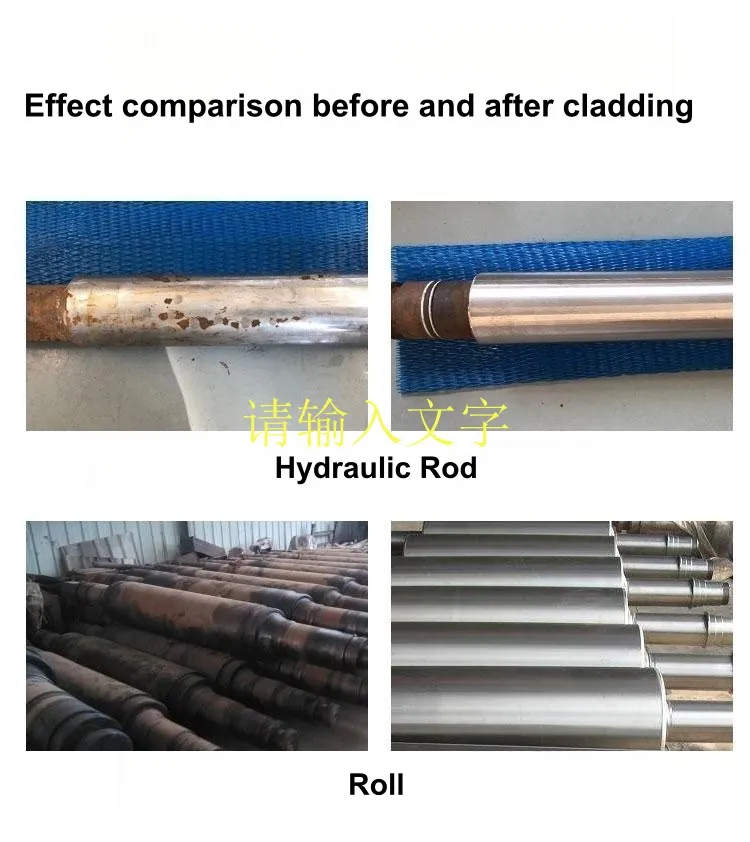
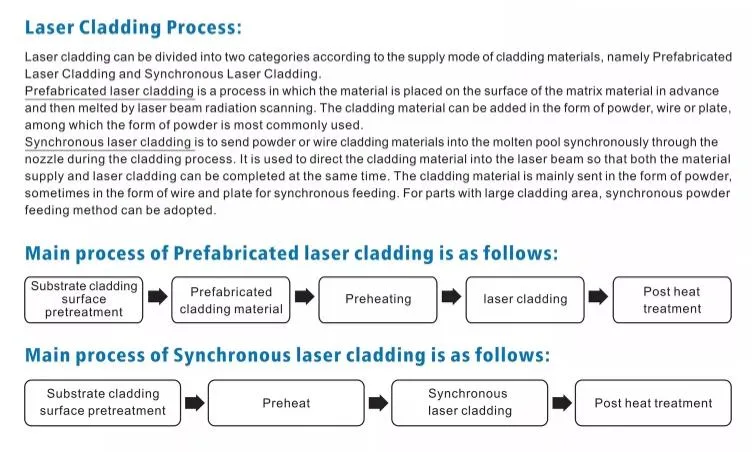
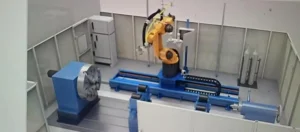
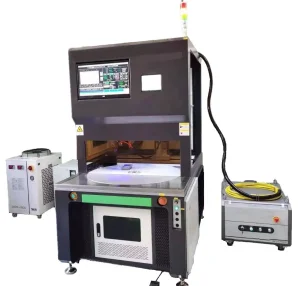
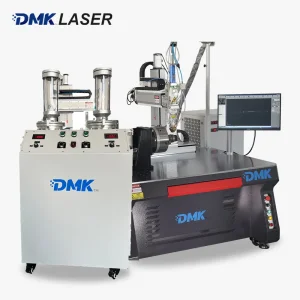
Laser cladding is a new surface modification technology. It forms a metallurgical bond on the surface of the base by adding cladding material on the surface of the base material and using a high energy density laser beam to melt it together with the thin layer on the surface of the base material.
Key Features: The cladding layer is metallurgically combined with the matrix, significantly improving wear resistance, corrosion resistance, heat resistance, and oxidation resistance. It meets specific performance requirements while saving substantial material costs.
❓
Frequently Asked Questions
What is the primary benefit of robotic laser cladding?
It significantly enhances surface properties like wear and corrosion resistance while ensuring high precision and minimal thermal deformation of the workpiece.
Which laser types can be used with this system?
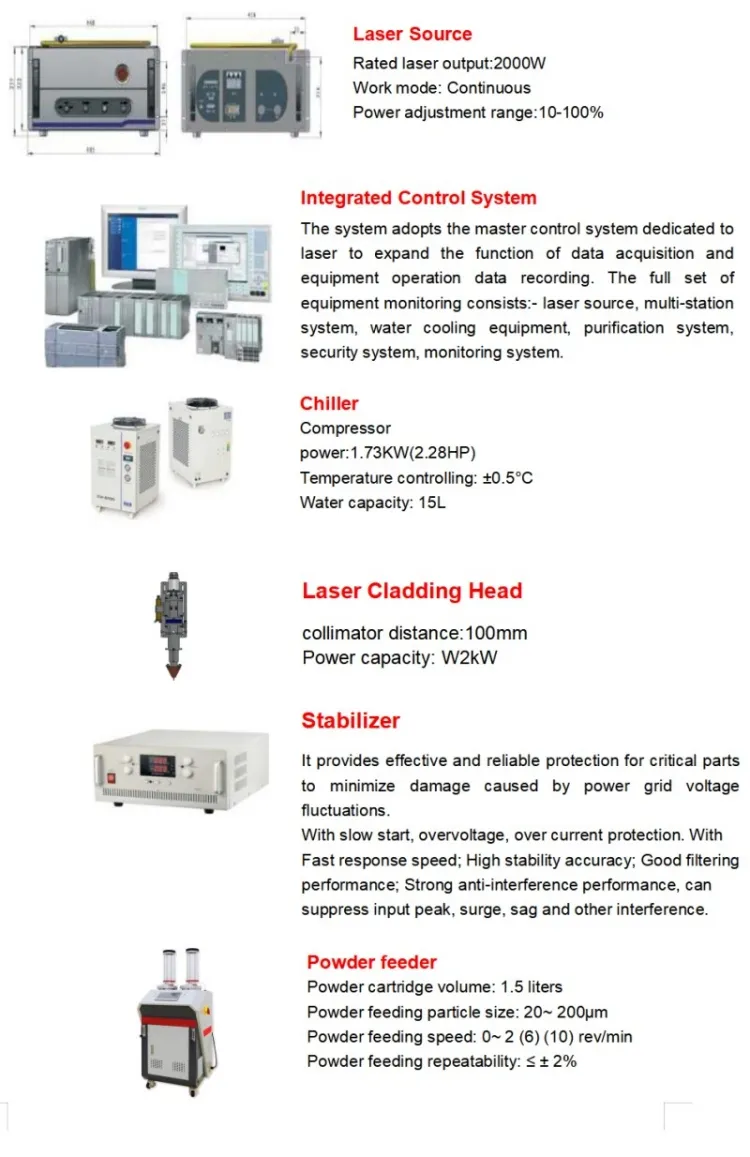
The system is compatible with various lasers including Fiber, Semiconductor, CO2, and Solid-state lasers ranging from 0.5kW to 20kW.
Can the laser spot size be customized?
Yes, the laser processing head supports round and square spots typically ranging from 0.8mm to 50mm, and the size can be customized according to specific needs.
What materials are suitable for the powder feeder?
Most conventional and special metal powder materials can be cladded using our high-accuracy powder feeding mechanism.
Is the machine compatible with different robot brands?
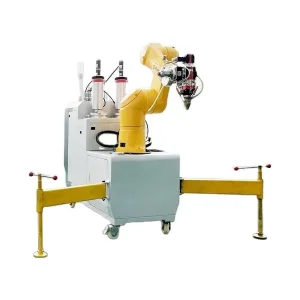
Yes, the system supports major industrial robot brands including KUKA, ABB, FANUC, and YASKAWA with various payload capacities.
What industries benefit most from this technology?
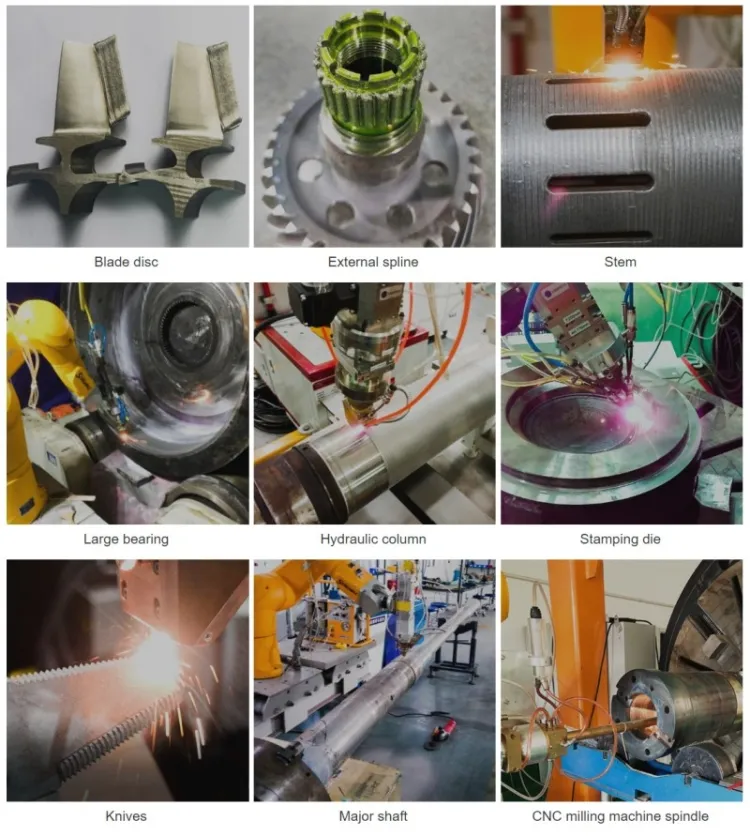
It is widely used in Aerospace, Agricultural Machinery, Petroleum Metallurgy, and the Automotive Industry for part repair and surface enhancement.
 Zico Machine