Zico Machine
1 / 5

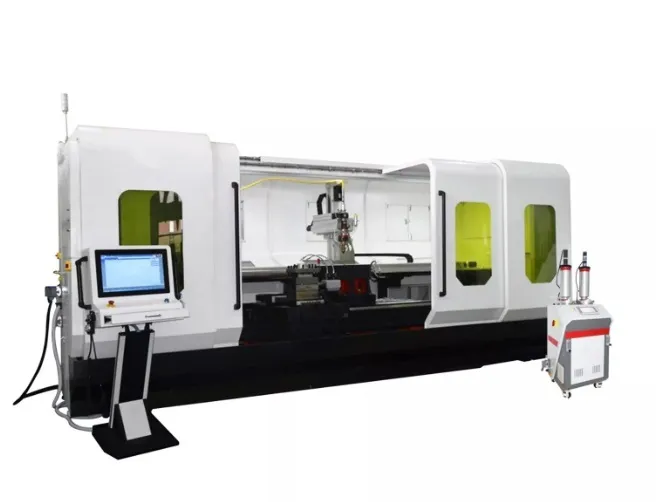
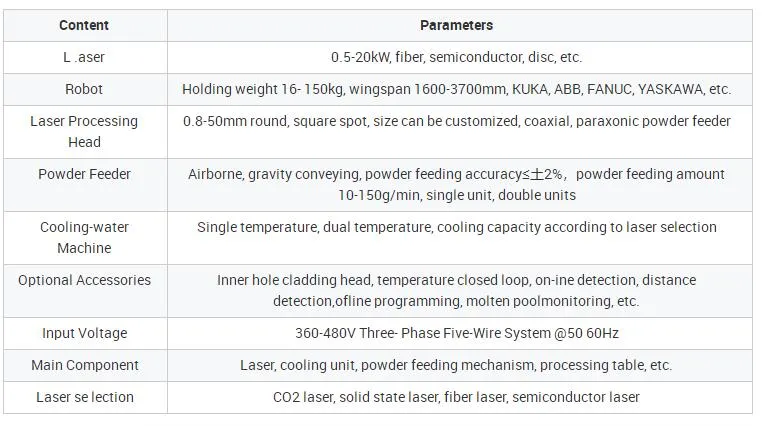
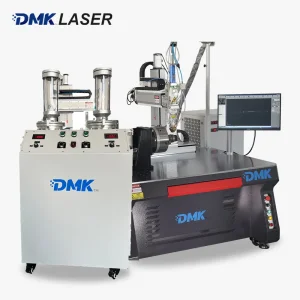
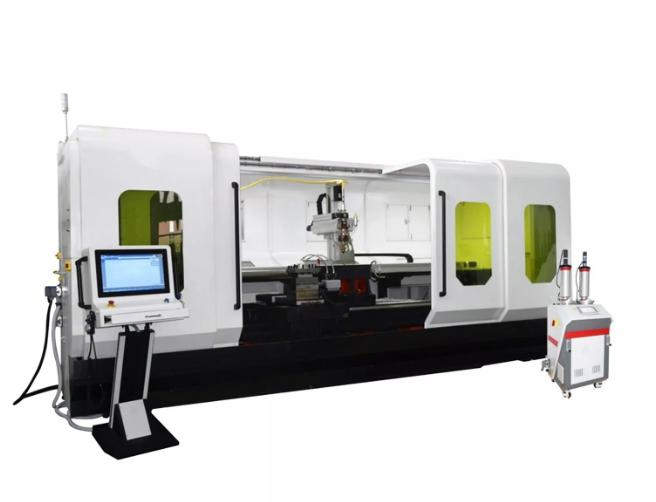
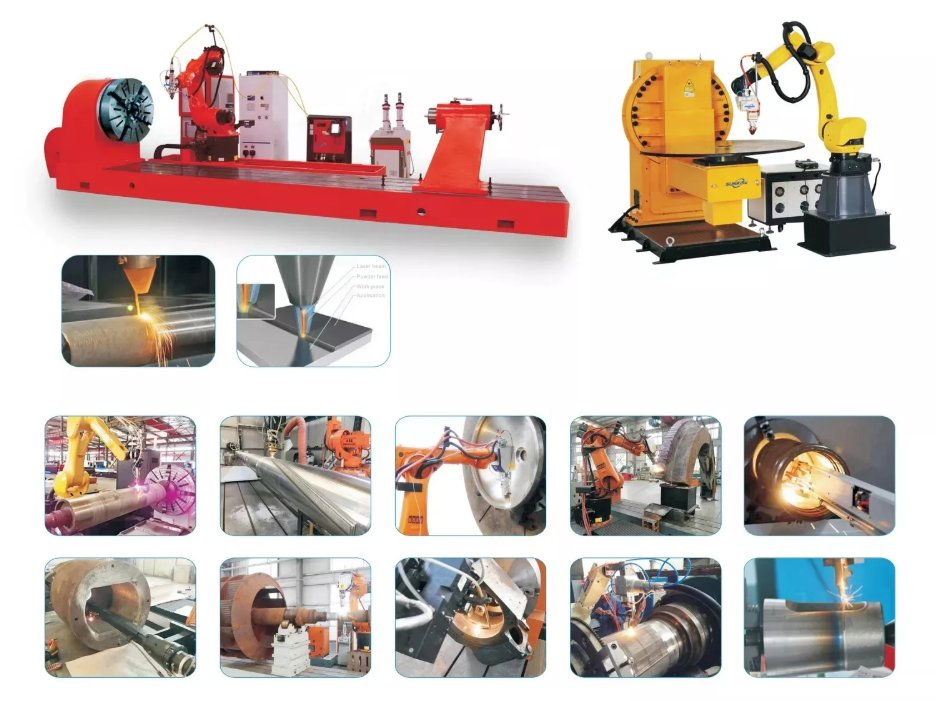
| Content | Parameters |
|---|---|
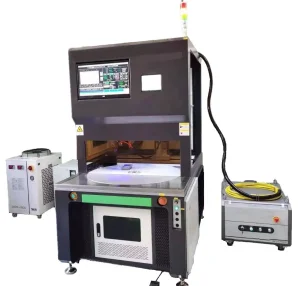
| Laser | 0.5-20kW, fiber, semiconductor, disc, etc. |
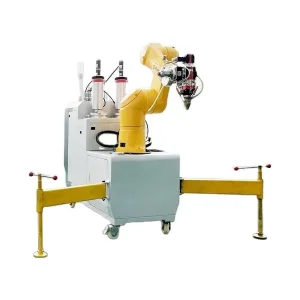
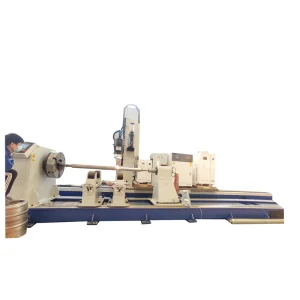
| Robot | Holding weight 16-150kg, wingspan 1600-3700mm, KUKA, ABB, FANUC, YASKAWA, etc. |
| Laser Processing Head | 0.8-50mm round, square spot, size can be customized, coaxial, paraxonic powder feeder |
| Powder Feeder | Airborne, gravity conveying, powder feeding accuracy ≤±2%, powder feeding amount 10-150 g/min, single unit, double units |
| Cooling-water Machine | Single temperature, dual temperature, cooling capacity according to laser selection |
| Optional Accessories | Inner hole cladding head, temperature closed loop, on-line detection, distance detection, offline programming, molten pool monitoring, etc. |
| Input Voltage | 360-480V Three-Phase Five-Wire System @50-60Hz |
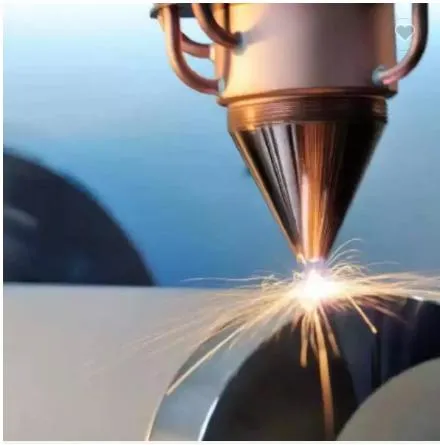
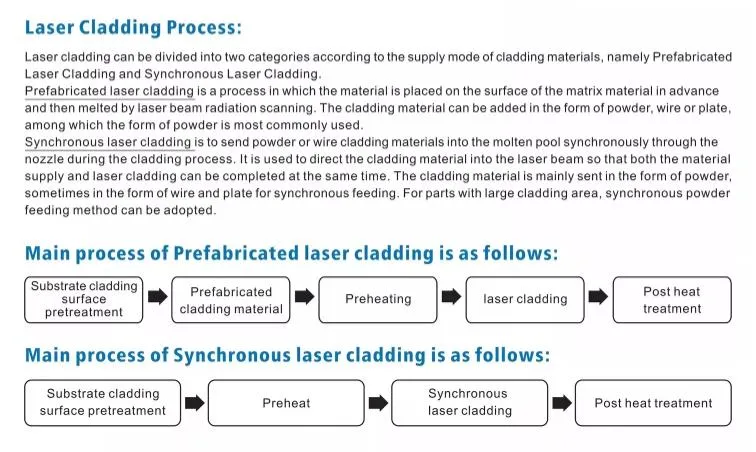
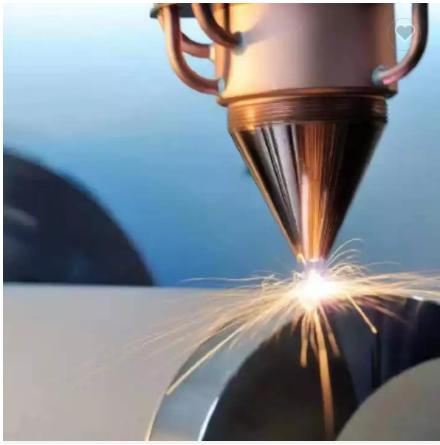
Laser cladding offers several advantages when compared with conventional coating processes. The advantages of laser cladding, include the deliver of a higher quality coating material (Inc. high bond strength & integrity) with very little distortion and dilution, as well as enhanced surface quality. These advantages include:
Ability to place tailored performance enhancing material exactly where required.
Can be used with a wide choice of materials, both as the substrate and the layer including bespoke alloy or metal matrix composite (MMC) design.
Little or no porosity within the deposits (>99.9% density).
Relatively low heat input results in a narrow heat affected zone (EHLA as low as 10µm).
Minimal distortion in the substrate reduces the need for corrective machining.
Easy automation and integration into CNC and CAD/CAM production environments.
Reduced production times.
Improved thermal control with laser power modulation.
Ability to produce functionally graded parts.
Precise deposition rates, dependant on equipment and application characteristics.
Good mechanical properties.
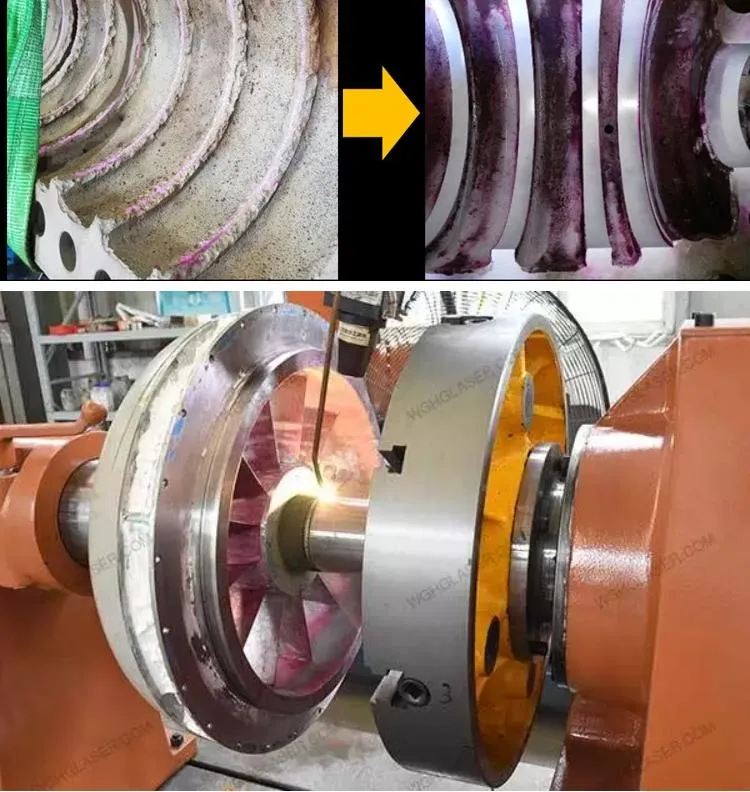
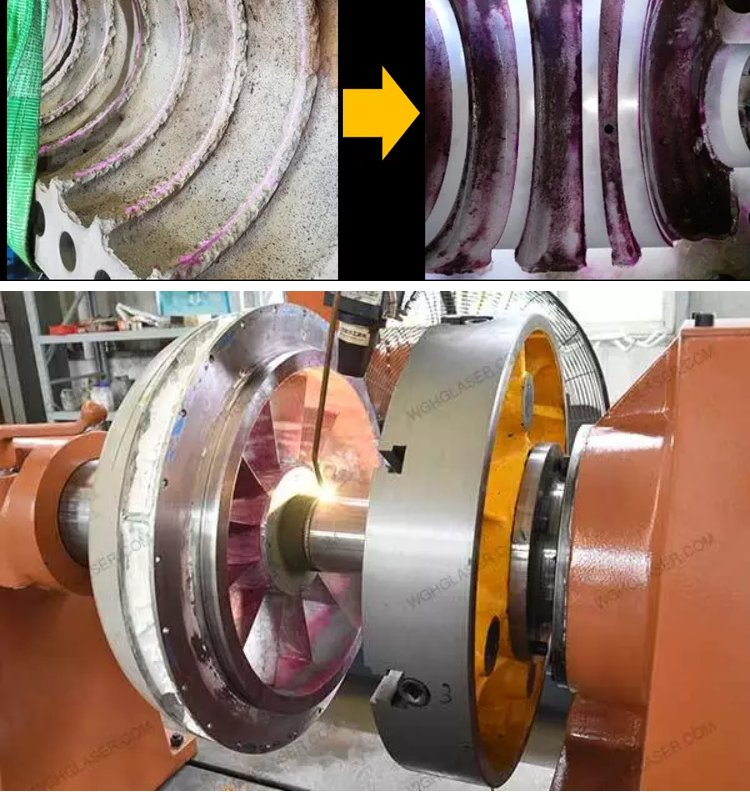
Suitable for repair of worn parts.
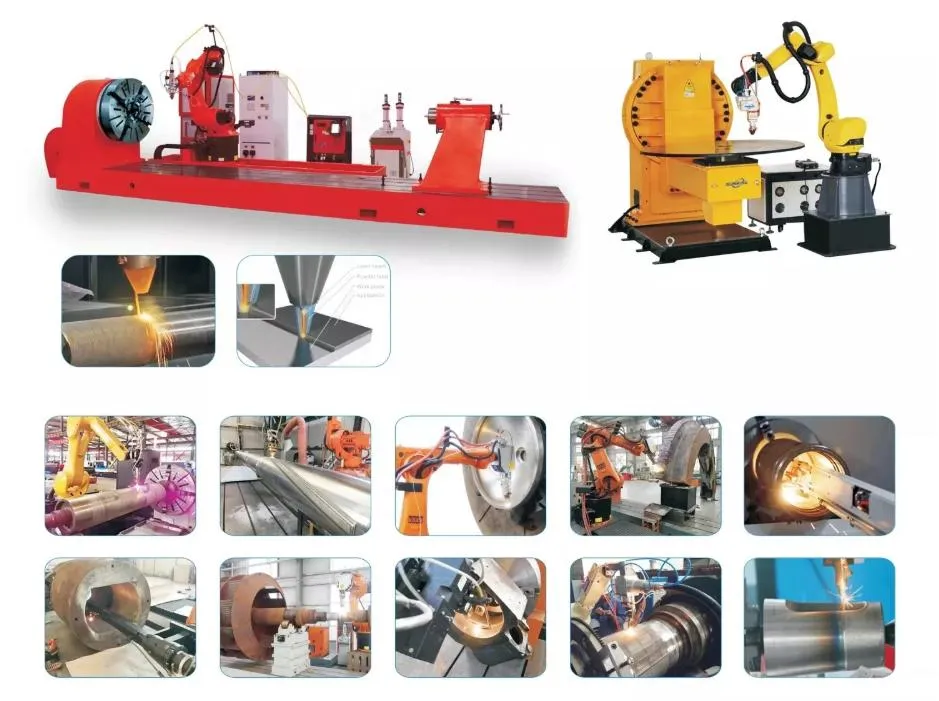
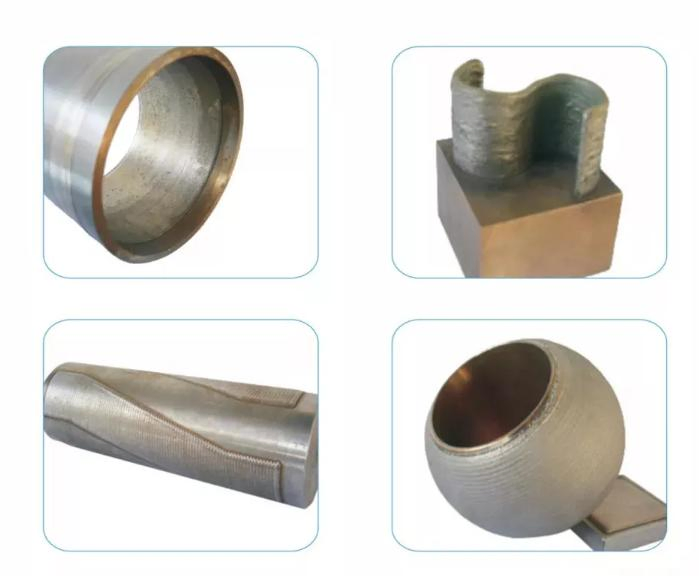
As mentioned above, laser cladding is suitable for a variety of applications across industry. These applications cover areas ranging from agriculture and aerospace to drilling, mining and power. Some example applications include:
Laser clad materials can be used as layers to protect saw blades, counter blades, disc harrows and other cutting tools from wear and corrosion, while providing superior cutting characteristics. The lack of distortion with this process means that these tools are kept straight while different coating thicknesses can be achieved to suit requirements. These coated tools can find applications across industry, including construction and agriculture.
High performance drilling tools are used in a range of industries including oil and gas, mining, and geothermal. These tools need wear protection to withstand the stresses they are subjected to and reach their required lifetimes. Laser cladding is becoming increasingly common as a technique for applying coatings due to the materials performance this process provides.
Heat exchangers can suffer corrosion from the corrosive liquids and gases that they come into contact with. Laser cladding with coatings such as nickel alloys with good corrosion resistance and toughness can help avoid cracking in heat exchangers, while also offering improved wear protection even at high temperatures.
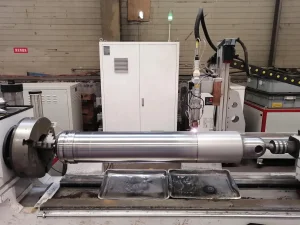
Hydraulic cylinders, such as those used in the mining industry, require coating in order to mitigate against the corrosion caused by the local atmosphere. Chrome plating was the primary method used in the past, but this is increasingly being superseded by laser cladding, due to the superior durability it offers. Some estimates say that laser cladding can improve durability of these products by 100%.
Hard chromium plating has been facing prohibitive measures from the EU, leading the industry to try and seek alternative solutions. Laser cladding had been discounted as a solution in the past because it wasn't deemed fast enough or able to deliver thin enough coatings. However, developments in the technology (specifically, extreme high-speed laser application) now allow for higher speed deposition with thinner layers in a more power efficient manner, meaning that laser cladding can provide an effective alternative to hard chromium plating for particular applications.